
Propagating the Fiery Orange Aphelandra: A Gardener’s Guide to Aphelandra aurantiaca
Introduction:
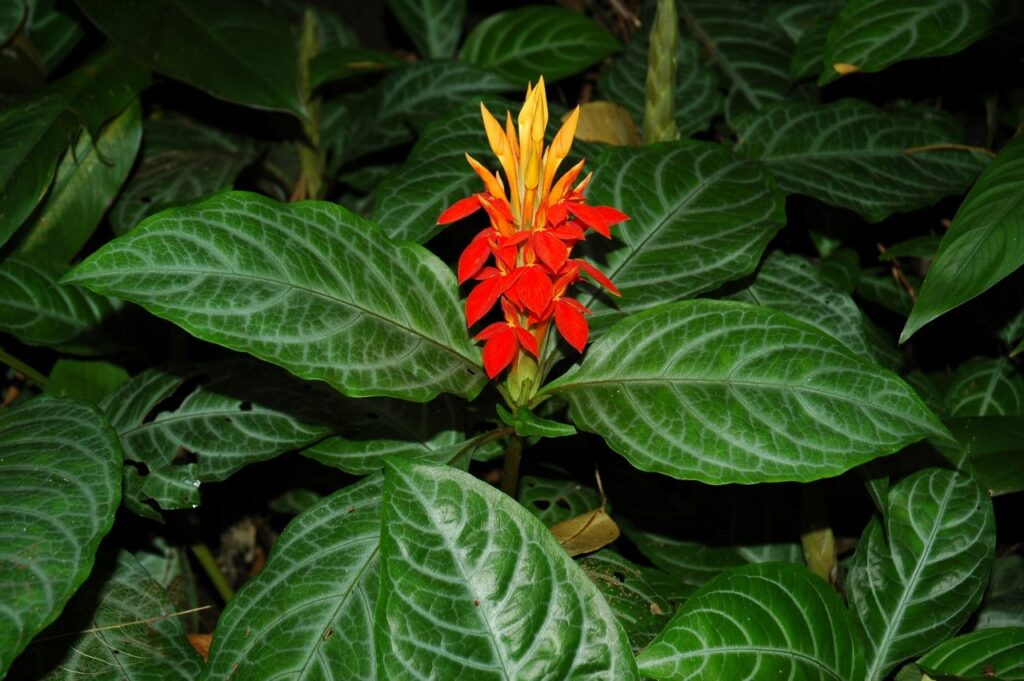
Aphelandra aurantiaca, also known as the orange aphelandra or, less commonly, the golden aphelandra, is a striking tropical plant appreciated for its vibrant, fiery orange bracts that surround its small flowers. These bracts often persist for several weeks, providing prolonged colour to the landscape or home. Its relatively compact size and eye-catching blooms make it a popular choice for container gardening and indoor cultivation. Propagation, however, presents unique challenges, primarily due to the plant’s specific environmental needs and relatively low seed production.
Seed Germination:
Currently, there are no known reliable methods for seed germination propagation of Aphelandra aurantiaca. While the plant does produce seeds, their germination rate is extremely low, even under optimal conditions, making this method impractical for most home gardeners. Further research into specific germination requirements may yield better results in the future.
Cuttings:
-
Challenges: Cuttings are the most commonly employed method for propagating Aphelandra aurantiaca. However, success hinges on maintaining consistently high humidity and warmth. Rotting is a significant risk if the cuttings don’t root quickly enough.
-
Practical Tips: Take stem cuttings of approximately 4-6 inches long, remove lower leaves to prevent rot, and dip the cut ends in rooting hormone. Plant the cuttings in a well-draining propagation mix (e.g., perlite and peat moss) and cover with a humidity dome or plastic bag to maintain high humidity. Bottom heat (around 75-80°F/24-27°C) will significantly improve rooting success. Maintain consistently moist (not soggy) conditions. Expect rooting to take several weeks.
- Rewards: Cuttings are a reliable method, offering a quick way to obtain genetically identical plants to the parent. This ensures consistent flower colour and plant characteristics.
Division:
-
Challenges: Division is possible only when the plant has developed substantial rhizomes. This typically occurs after several years of growth. Dividing too early can severely damage the parent plant. The divided sections also require careful handling to prevent damage to the delicate roots.
-
Practical Tips: Carefully remove the plant from its pot. Gently separate the rhizomes, ensuring each section possesses healthy roots and foliage. Repot the divisions using a well-draining potting mix, keeping them moist but not waterlogged.
- Rewards: Division is an efficient method for increasing the number of plants, particularly when dealing with mature specimens.
Tissue Culture:
-
Challenges: Tissue culture, while potentially highly efficient, is technically demanding and requires specialized equipment and a sterile environment. It’s not a feasible method for most home gardeners. Obtaining sterile plant material and maintaining a contamination-free environment are critical challenges. Specific culture media formulations need to be developed for optimal growth and regeneration.
-
Practical Tips: This method requires a laboratory setting, with access to sterile nutrient media, growth chambers, and experienced personnel.
- Rewards: Tissue culture offers the potential for large-scale propagation, disease-free plants, and the potential for genetic improvement through selection of desirable traits.
Conclusion:
Propagating Aphelandra aurantiaca presents certain obstacles, primarily concerning the low seed germination rate and the need for specific environmental conditions for successful propagation from cuttings or divisions. However, the rewards of successfully cultivating this vibrant plant are significant. The satisfaction of nurturing a cutting into a mature plant, bursting with its characteristic orange bracts, far outweighs the challenges involved. While seed germination is currently impractical, focus on cuttings as the most accessible and reliable method for home growers. Patience, attention to detail, and the right environmental conditions are keys to your success in propagating this magnificent plant. Remember to provide plenty of warmth, humidity, and appropriate care to your chosen propagation method to give your orange aphelandra the best chance to thrive.