
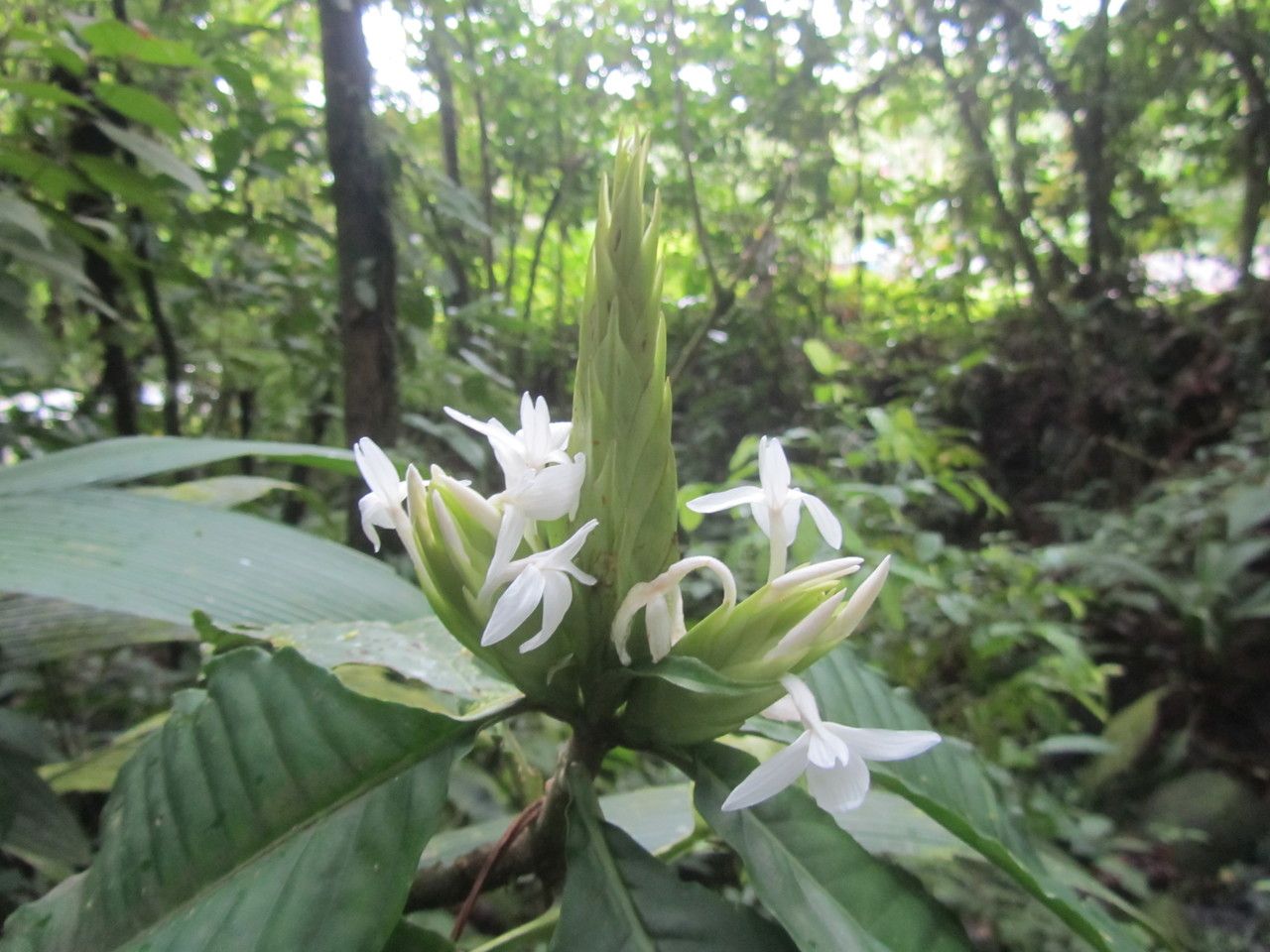
Propagating Aphelandra dolichantha: A Gardener’s Guide to the Zebra Plant
Aphelandra dolichantha, commonly known as the Zebra Plant, is a striking tropical beauty prized for its boldly patterned foliage. Its large, ovate leaves display prominent, contrasting veins reminiscent of a zebra’s stripes, making it a highly sought-after plant for indoor cultivation and conservatory displays. The relative rarity of this species, compared to some other Aphelandra varieties, adds to its horticultural significance and makes its propagation a rewarding, albeit sometimes challenging, endeavor. Successfully propagating this plant provides a unique sense of accomplishment.
Seed Germination:
Currently, there are no known reliable methods for seed germination propagation of Aphelandra dolichantha. While Aphelandra species generally reproduce via seeds, reliable seed production from A. dolichantha in cultivation seems to be infrequent, and germination rates, if any, are incredibly low. Further research into optimal germination conditions may be necessary before this method becomes viable.
Cuttings:
Cuttings represent the most reliable method for propagating Aphelandra dolichantha.
Challenges: The success rate hinges on proper technique and environmental conditions. Stem cuttings can be prone to rot if not handled carefully.
Practical Tips: Take semi-hardwood cuttings, approximately 4-6 inches long, from healthy, actively growing stems in spring or early summer. Remove lower leaves to prevent rot. Dip the cut ends in a rooting hormone powder. Plant the cuttings in a well-draining, sterile propagating mix, such as a blend of perlite and peat moss. Maintain high humidity using a humidity dome or plastic bag. Place cuttings in bright, indirect light and keep the soil consistently moist but not waterlogged.
Rewards: Cuttings offer a relatively quick and straightforward method of producing genetically identical plants to the parent. This allows gardeners to easily multiply their prized specimens.
Division:
Division is generally not a practical propagation technique for Aphelandra dolichantha. The plant’s growth habit doesn’t lend itself easily to division, and separating the root system can seriously damage the mother plant, potentially leading to its demise.
Tissue Culture:
Tissue culture presents a potential avenue for large-scale propagation of Aphelandra dolichantha.
Challenges: This method requires specialized equipment, a sterile laboratory environment, and technical expertise. The establishment and optimization of a suitable tissue culture protocol for this specific species require significant research and development.
Practical Tips: This is best left to experienced tissue culture laboratories. Protocol development would need to focus on identifying suitable explant sources, optimizing nutrient media composition, and managing potential contamination risks.
Rewards: Tissue culture enables the mass production of plants free from pathogens, offering significant advantages for commercial cultivation and conservation efforts.
Conclusion:
Propagating Aphelandra dolichantha presents unique challenges, with cuttings providing the most reliable method for the home gardener. While seed germination currently doesn’t seem feasible, tissue culture holds promise for large-scale propagation, though it demands specialized skills and resources. The effort invested in successfully propagating this striking plant is well-rewarded by the addition of more of these beautiful specimens to your collection. The unique leaf pattern and the slight difficulty in propagation add to the satisfaction of cultivating this tropical jewel. Don’t be discouraged by initial setbacks; persistent experimentation with cuttings and careful attention to technique will ultimately yield success for the dedicated gardener.