
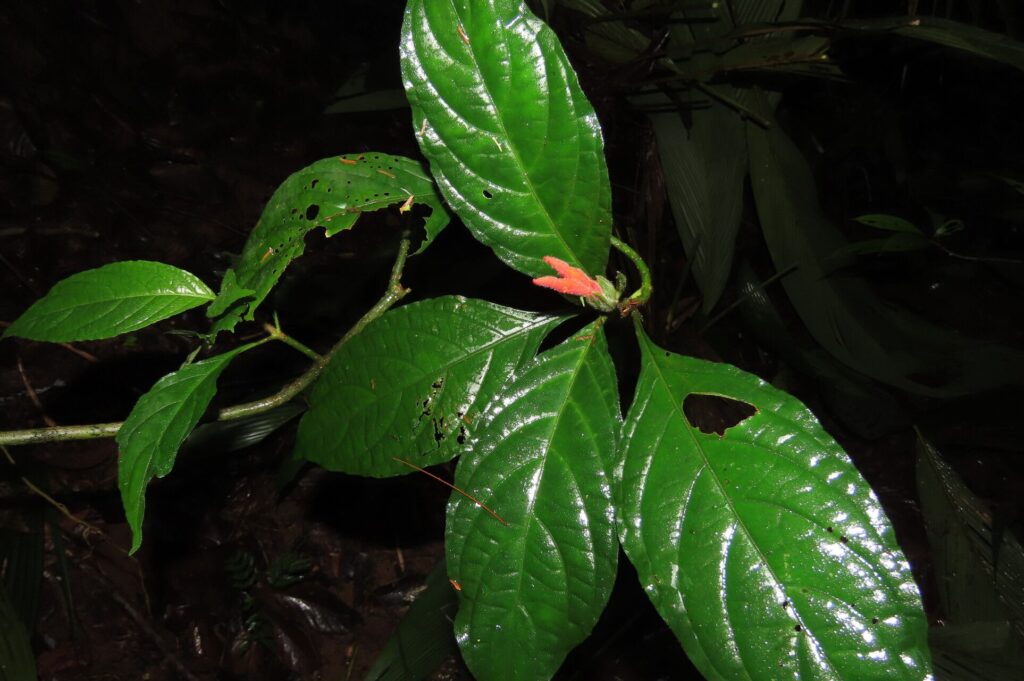
Propagating the Zebra Plant: A Guide to Cultivating Aphelandra golfodulcensis
Introduction:
Aphelandra golfodulcensis, commonly known as the Zebra Plant, is a striking tropical beauty prized for its brilliantly patterned foliage. Its large, ovate leaves are adorned with prominent, contrasting veins reminiscent of a zebra’s stripes, making it a highly sought-after houseplant and a favorite among gardeners. However, unlike some readily propagated plants, multiplying Aphelandra golfodulcensis presents unique challenges. This article explores the various methods of propagation, weighing their viability and highlighting the rewards and difficulties involved.
Seed Germination:
Currently, there are no known reliable methods for seed germination propagation of Aphelandra golfodulcensis. While the plant does produce seeds, their germination rate is notoriously low, and successful propagation through this method remains largely undocumented. Further research into specific germination requirements, perhaps involving hormone treatments or scarification, might yield results, but currently, this avenue is not considered practical for most home gardeners.
Cuttings:
Cuttings are the most commonly used and reliable method for propagating Aphelandra golfodulcensis.
Challenges: The main challenge lies in achieving successful rooting. Stem cuttings prone to rotting if not handled carefully.
Practical Tips: Take 4-6 inch semi-hardwood cuttings from healthy, actively growing stems in spring or summer. Remove lower leaves to prevent rotting. Dip the cut ends in rooting hormone powder. Plant cuttings in a well-draining propagation mix (e.g., perlite and peat moss) and maintain high humidity using a humidity dome or plastic bag. Keep the mix consistently moist but not waterlogged. Rooting typically takes several weeks to a couple of months.
Rewards: Cuttings offer a reliable way to produce genetically identical plants, ensuring you maintain the desirable characteristics of the parent plant. It’s also relatively straightforward for home gardeners with basic propagation skills.
Division:
Division is a viable propagation method, though only feasible for mature, well-established plants.
Challenges: Dividing the root system needs to be done carefully to avoid damaging the fragile roots. Each division needs sufficient root mass to survive and thrive.
Practical Tips: Divide the plant during repotting in spring, carefully separating the root ball into smaller sections. Ensure each section contains healthy roots and several stems. Replant the divisions into fresh, well-draining potting mix. Provide consistent watering and warmth to facilitate establishment.
Rewards: Division allows for rapid increase in the number of plants, offering a quicker way to multiply established specimens compared to cuttings.
Tissue Culture:
Tissue culture is a technically advanced method offering the highest potential for large-scale and rapid propagation.
Challenges: This method requires specialized equipment, sterile conditions, and a detailed understanding of plant tissue culture techniques. It is not feasible for home gardeners.
Practical Tips: This method requires specialized knowledge and facilities are beyond the scope of this article. Consult professional plant tissue culture laboratories for this method.
Rewards: Tissue culture enables mass production of disease-free plants, maintaining uniform genetic consistency and high propagation efficiency.
Conclusion:
Propagating Aphelandra golfodulcensis presents unique challenges across all methods. Seed propagation currently offers no reliable results. Cuttings provide the most accessible route for home propagators, although patience and careful technique are crucial. Division works well for established plants. Tissue culture offers the greatest efficiency but demands specialized expertise and equipment.
Despite the difficulties, the satisfaction of successfully propagating a Zebra Plant is substantial. Seeing a tiny cutting transform into a mature plant with its iconic striped leaves is a rewarding experience that underscores the connection between gardener and plant. The effort invested reflects the inherent value of these beautiful specimens and fosters a deeper appreciation for their unique requirements. If you’re willing to invest the time and attention, the propagation of Aphelandra golfodulcensis is a rewarding challenge, demonstrating horticultural mastery and yielding the stunning beauty of this captivating plant.