
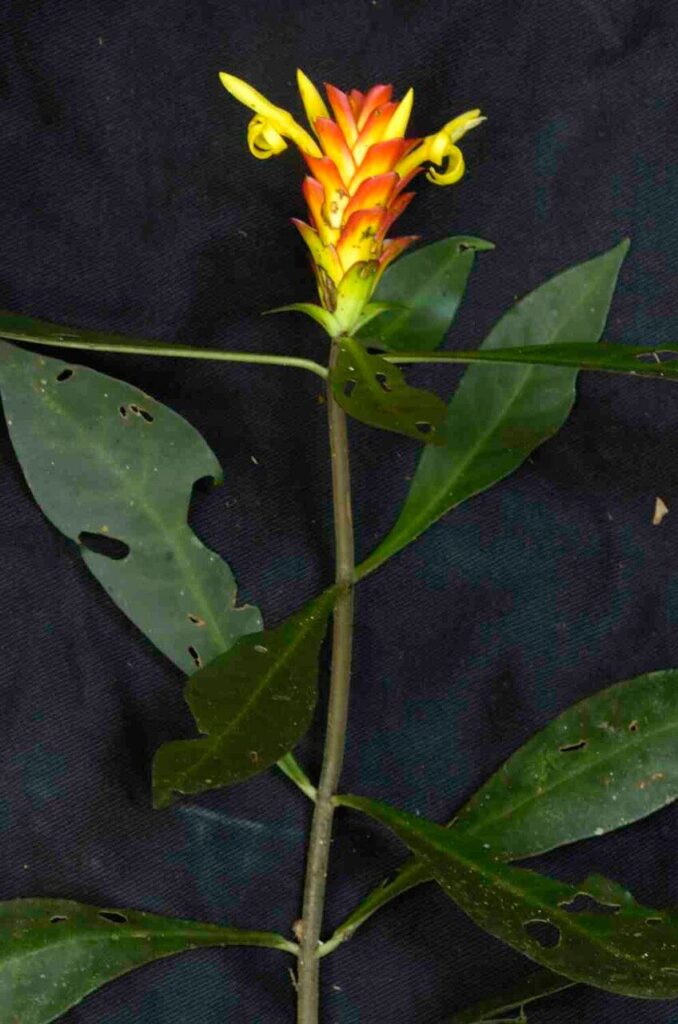
Propagating Aphelandra paulensis: A Gardener’s Guide
Aphelandra paulensis, commonly known as the "Brazilian Zebra Plant," is a captivating houseplant prized for its striking foliage. Its large, ovate leaves are adorned with prominent, contrasting white veins creating a mesmerizing zebra-like pattern. This, coupled with its relatively compact size, makes it a popular choice for indoor gardens and conservatories. However, propagating this beauty presents unique challenges. Its propagation methods are less straightforward compared to other common houseplants, making successful cultivation all the more rewarding.
Seed Germination:
Currently, there are no known reliable methods for seed germination propagation of Aphelandra paulensis. While the plant does produce seeds, germination rates are exceptionally low, and the process is largely unpredictable. Furthermore, seeds are rarely produced in indoor cultivation.
Cuttings:
This is the most commonly used and reliable method for propagating Aphelandra paulensis.
- Challenges: Aphelandra paulensis cuttings can be slow to root, and susceptibility to rot is a significant concern. Using sterile tools and providing optimal humidity are crucial.
- Practical Tips: Take semi-hardwood cuttings, approximately 4-6 inches long, from healthy stems in spring or summer. Remove lower leaves to prevent rotting. Dip the cut ends in rooting hormone before planting in a well-draining, moist propagation mix (e.g., perlite and peat moss). Cover with a clear plastic bag or dome to maintain high humidity. Maintain consistent warmth (around 70-75°F) and bright, indirect light. Rooting can take several weeks to months.
- Rewards: Cuttings offer a relatively simple method to produce genetically identical plants, preserving desirable characteristics. It’s also a cost-effective way to expand your collection.
Division:
This method is only feasible for mature, established plants.
- Challenges: Dividing Aphelandra paulensis requires careful handling to avoid damaging the roots. Improper division can lead to plant stress and reduced success rates.
- Practical Tips: Divide the plant carefully during spring, gently separating the root ball into several sections, each with its own healthy root system and several stems. Repot each section into individual containers using fresh, well-draining potting mix.
- Rewards: Division is a quick way to multiply established plants, providing instant gratification compared to cuttings. It allows for the efficient expansion of a collection of already mature individuals.
Tissue Culture:
Tissue culture is a viable but complex method for large-scale propagation.
- Challenges: This is a specialized technique requiring sterile laboratory conditions, specific media, and expertise. It’s not a practical method for the average home gardener.
- Practical Tips: This method involves isolating meristematic tissue (actively growing cells) and culturing it in a sterile nutrient-rich medium. This requires specialized equipment and knowledge.
- Rewards: Tissue culture enables the rapid and mass production of disease-free plants and allows for the propagation of rare or difficult-to-propagate cultivars.
Conclusion:
Propagating Aphelandra paulensis offers a satisfying experience, particularly when successful. While seed germination isn’t a practical option, cuttings provide the most accessible and reliable path for most gardeners. Division works for mature plants but requires careful handling. Tissue culture, though effective, is reserved for professionals and large-scale production. The patience and attention needed for propagation are rewarded with the unique beauty and satisfaction of cultivating this intriguing plant from a cutting or by division of a well-grown specimen. Don’t be discouraged by initial setbacks; the vibrant health of a successfully propagated Brazilian Zebra Plant is ample compensation for the dedicated effort. Remember, consistent monitoring for rot and providing the right conditions are key to success.