
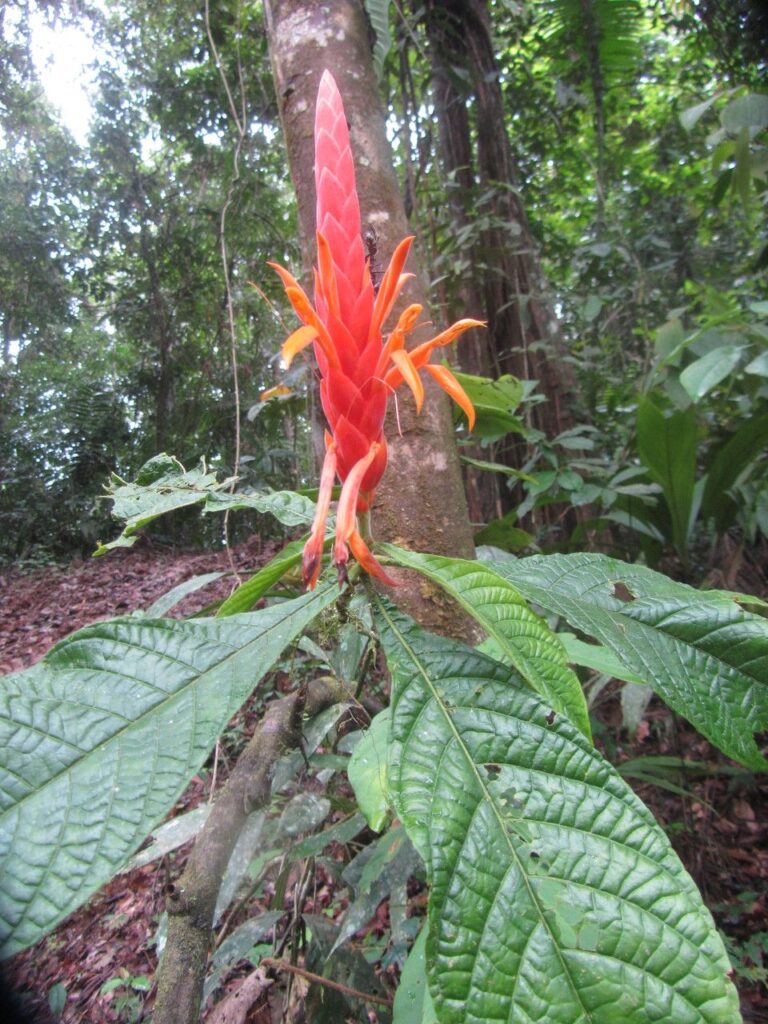
Propagating Aphelandra storkii: A Gardener’s Guide to the Zebra Plant
Aphelandra storkii, often known as the Zebra Plant due to its striking, bold white veined leaves, is a highly prized houseplant celebrated for its dramatic foliage and, in some cases, vibrant bracts of flowers. Its popularity stems from its relatively low maintenance requirements (compared to some tropical plants) and its ability to bring a touch of the exotic to any indoor space. However, propagating this beauty presents unique challenges. Understanding these challenges, and the various propagation techniques available, is crucial for gardeners aiming to expand their collection or share this stunning plant with others.
Seed Germination:
Currently, there are no known reliable methods for seed germination propagation of Aphelandra storkii. While the plant does produce seeds, germination rates are extremely low, and successful cultivation from seed remains largely undocumented. Further research is needed to determine if specific germination treatments (such as stratification or hormonal application) could improve success rates.
Cuttings:
This proves to be the most reliable method for propagating Aphelandra storkii.
Challenges: Stem cuttings can be prone to rotting if not properly treated, and rooting can be slow. The success rate is dependent on factors such as the health of the parent plant, the age of the cutting, and the environmental conditions.
Practical Tips: Take 4-6 inch cuttings from semi-hardwood stems in spring or early summer. Remove lower leaves, dip the cut end in rooting hormone, and plant in a well-draining, moist propagation mix (e.g., perlite and peat moss). Cover with a clear plastic bag or humidity dome to maintain high humidity. Keep the mix consistently moist, but not waterlogged, and ensure adequate indirect light. Rooting can take 4-8 weeks.
Rewards: This method is relatively straightforward compared to other options, offering a high probability of success for achieving genetically identical plants to the parent. It is therefore ideal for preserving desirable cultivars.
Division:
Division is possible but infrequently used.
Challenges: Aphelandra storkii doesn’t naturally produce many readily separable offshoots, making division a less practical option than cuttings. Invasive division can also damage the mother plant.
Practical Tips: Division is best attempted when repotting a mature, well-established plant. Carefully separate the root ball, ensuring each division has a healthy section of roots and stems. Replant each division into well-draining potting mix.
Rewards: This method allows for quick multiplication when a suitable plant is available but must be undertaken with care, prioritizing the health of the parent plant.
Tissue Culture:
Tissue culture offers the potential for large-scale propagation of Aphelandra storkii.
Challenges: Establishing a sterile tissue culture environment and mastering the specific nutrient requirements for Aphelandra storkii requires specialized knowledge, equipment, and aseptic techniques. This method is not viable for most home gardeners due to its complexity.
Practical Tips: This process involves removing small pieces of plant tissue (explants) and cultivating them in a nutrient-rich medium under sterile conditions. This will require specialized equipment and a complete understanding of plant tissue culture.
Rewards: Tissue culture enables rapid and large-scale propagation, potentially allowing for the production of thousands of plants from a single explant. This is particularly beneficial for commercial propagation or the preservation of rare cultivars.
Conclusion:
Propagating Aphelandra storkii presents various challenges depending on the chosen method. While seed germination is currently unreliable, cuttings offer a readily accessible and successful approach for the home gardener. Division is possible but limited, while tissue culture provides a path for large-scale propagation requiring significant expertise. Despite the hurdles, the vibrant beauty and unique aesthetic of the Zebra Plant make the effort incredibly rewarding. The satisfaction of successfully cultivating this striking plant, whether from a cutting or through a more advanced method, is a testament to your horticultural skills and patience. Don’t be discouraged by setbacks – persistent effort and careful attention to detail are key to successfully propagating this captivating plant, and you will be rewarded with lush, new growth.