
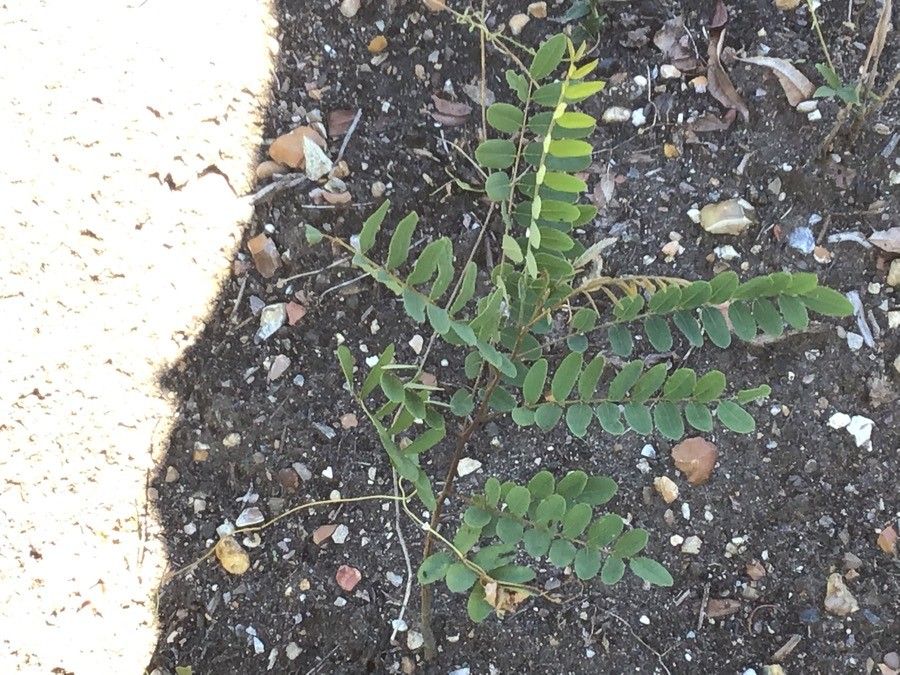
Propagating Apios americana: The Groundnut’s Growing Secrets
Apios americana, commonly known as the groundnut, wild potato bean, or American potato bean, is a captivating native North American vine prized for its edible tubers, attractive purplish flowers, and climbing habit. Its hardiness and unique characteristics have made it increasingly popular among gardeners interested in heirloom plants and sustainable food sources. However, propagation of this intriguing plant presents some unique challenges. Its relative rarity in cultivation contributes to the limited readily available information on effective propagation techniques. This article explores established and emerging methods for propagating Apios americana.
Seed Germination:
Currently, there are no known reliable methods for seed germination propagation of Apios americana. While seeds can be collected, germination rates are notoriously low and unpredictable due to a combination of factors including hard seed coats and dormancy requirements. Even with scarification and various stratification treatments, success remains inconsistent. Therefore, relying on seed germination for propagating Apios americana is not recommended for the average gardener.
Cuttings:
Propagating Apios americana from cuttings offers a more promising approach than seed germination. However, success hinges on careful technique and timing.
-
Challenges: Apios americana cuttings are relatively slow to root. They are susceptible to rot if not kept in consistently moist but well-drained conditions. The ideal type of cutting (hardwood, semi-hardwood, or softwood) requires further investigation.
-
Practical Tips: Semi-hardwood cuttings taken in late summer or early autumn, ideally from vigorous, healthy stems, show the most promise. These should be approximately 6-8 inches long, with the lower leaves removed. Dip the cut ends in rooting hormone to stimulate root development. Plant the cuttings in a well-draining propagation mix (a mix of perlite and peat moss works well), keeping them consistently moist but not waterlogged. High humidity (e.g., using a humidity dome) will increase success rates.
- Rewards: Successfully rooting cuttings allows for the rapid multiplication of a specific plant with known characteristics – a desirable trait for preserving superior genotypes. It is less time consuming compared to division.
Division:
Division is perhaps the most reliable and easiest method for propagating established Apios americana plants.
-
Challenges: This method only works when the plant is already mature and large enough to be divided. Care must be taken to avoid damaging the root system during the division process.
-
Practical Tips: The best time to divide Apios americana is during the dormant season (late autumn or early spring). Carefully dig up the entire plant, gently separating the rhizomes into smaller sections. Each section should contain several healthy buds or emerging shoots. Replant the divisions immediately, ensuring that the buds are facing upwards and are adequately covered with soil.
- Rewards: Division offers the most consistent success rate and allows for relatively quick establishment of new plants.
Tissue Culture:
Tissue culture remains a largely unexplored area for Apios americana propagation.
-
Challenges: Developing a reliable tissue culture protocol for this species requires significant expertise and resources including sterile equipment and a controlled environment.
-
Practical Tips: Further research is needed to define optimal media compositions, growth regulators, and sterilization techniques to effectively propagate Apios americana via tissue culture.
- Rewards: This method holds the potential for mass propagation, which would be invaluable for conservation efforts, large-scale planting projects, and potentially commercial cultivation.
Conclusion:
While propagating Apios americana presents some hurdles, the rewards of successfully cultivating this versatile plant are substantial. Division currently represents the most readily achievable method for the home gardener, while cuttings offer a viable alternative with a bit more time and attention. Seed propagation remains unreliable. The potential for tissue culture propagation offers exciting avenues for future research and large-scale production. The unique satisfaction of nurturing these plants from cuttings or divisions, overcoming the challenges, and eventually enjoying their beautiful flowers and delicious tubers is a testament to the perseverance and dedication of the passionate gardener. Don’t be discouraged by initial setbacks – the journey itself is a rewarding aspect of cultivating this fascinating plant.