
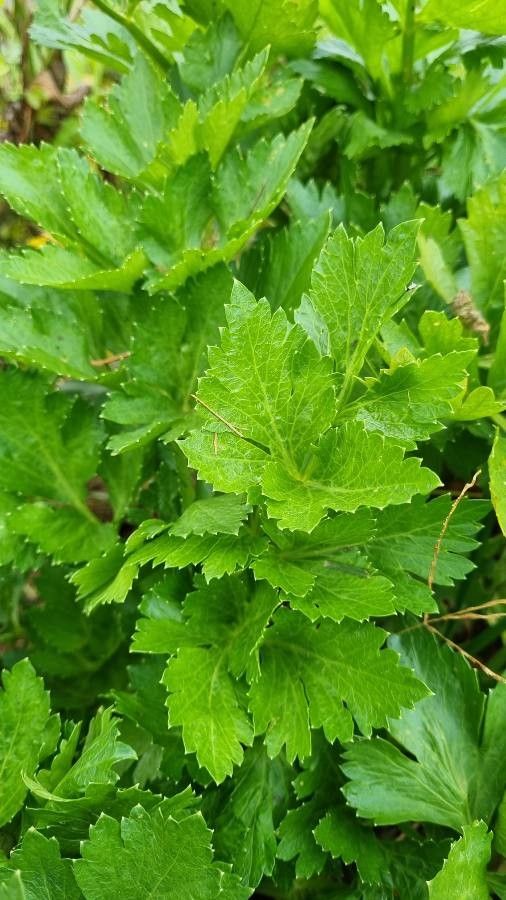
From Seed to Supper: How to Propagate Your Own Celery (Apium graveolens)
Celery, that crunchy, aromatic veggie that adds a refreshing bite to salads and stews, can also be a rewarding plant to grow from scratch. And the best part? It’s surprisingly easy to propagate! Whether you’re a seasoned gardener or a curious beginner, learning how to grow your own celery can be a fun and educational experience.
The Basics of Celery Propagation:
- From Seed: This is the most common way to start celery. Celery seeds are tiny and slow to germinate, but with some patience and the right conditions, you can have a flourishing crop.
- From Cuttings: Don’t throw away those leftover celery stalks! You can actually use them to propagate new plants. This method, called “rooting,” allows you to quickly multiply your celery collection.
Growing Celery from Seed:
- Timing: Celery is a cool-season crop, so the best time to sow seeds is in the spring or fall (depending on your climate).
- Starting Indoors: Start seeds indoors 6-8 weeks before the last frost. Use a seed-starting tray and fill it with a good quality seed-starting mix.
- Sowing the Seeds: Sprinkle seeds on the surface of the soil, gently pressing them in, but don’t cover them with soil. Keep the soil moist and warm (around 70°F).
- Thinning: Once seedlings emerge, thin them out to give each plant ample space to grow.
Propagating Celery From Cuttings:
- Selecting Cuttings: Choose healthy, young celery stalks with a white, fleshy base.
- Preparing the Cuttings: Cut each stalk into 2-3 inch pieces, ensuring each piece has at least one node (where leaves grow).
- Rooting the Cuttings: Place cuttings in a glass of water, with the cut end submerged. Change the water every few days to prevent bacterial growth. Alternatively, you can fill a small pot with a mix of peat moss and perlite, and insert the cuttings about an inch deep. Keep the soil moist.
- Transplanting: Once roots develop (usually within a few weeks), transplant the rooted cuttings into your garden or larger pots.
Environmental Considerations for Celery:
- Sunlight: Celery requires six hours of direct sunlight per day.
- Soil: Well-drained, fertile soil is crucial for healthy celery growth.
- Water: Celery needs consistent moisture, especially during hot weather. Water deeply and regularly, allowing the soil to dry out slightly between waterings.
- Fertilizer: Apply a balanced fertilizer every few weeks to promote growth.
Tips for Successful Celery Propagation:
- Patience: Give your celery plenty of time to grow. It can take several months to produce a full-sized stalk.
- Pest Control: Monitor for common pests like aphids and slugs.
- Harvesting: Once stalks reach maturity, cut them close to the base. Don’t be afraid to harvest regularly – this encourages new growth.
Beyond the Garden:
Propagating your own celery can be a rewarding journey. Not only will you have fresh, flavorful celery at your disposal, but you’ll also gain a deeper appreciation for the growth cycle of this humble veggie. And who knows, you may even become a pro at starting seeds and rooting cuttings!