
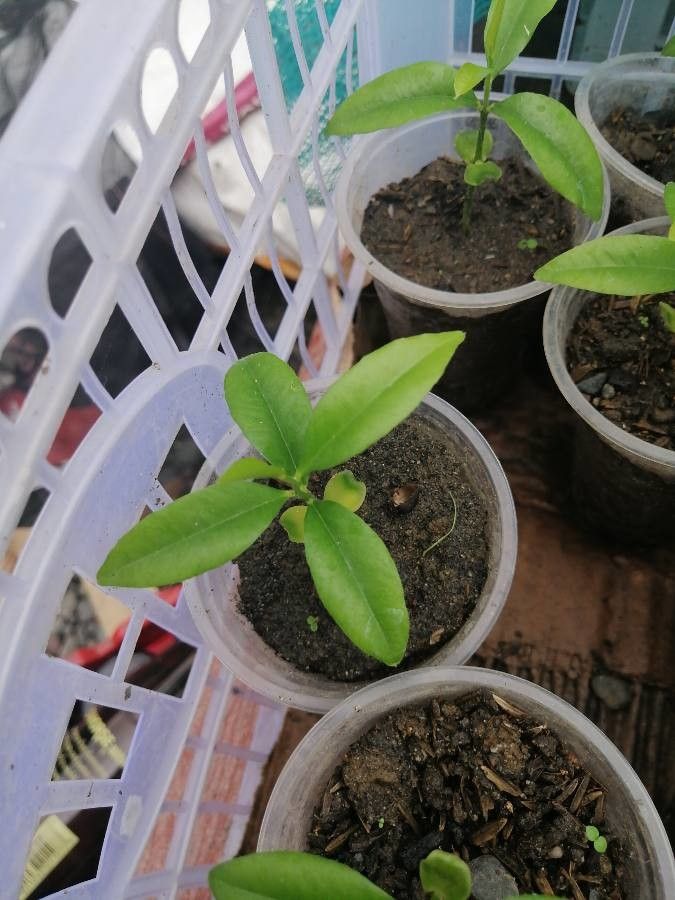
Unlocking the Secrets of Agarwood: Propagating Aquilaria cumingiana
Agarwood, the fragrant heartwood treasured for centuries in incense, perfumes, and traditional medicine, comes from trees belonging to the Aquilaria genus. Among these, Aquilaria cumingiana, native to the Philippines, stands out. But cultivating this precious tree and its coveted resin isn’t simple. This post delves into the fascinating world of Aquilaria cumingiana propagation, unraveling the techniques involved and challenges faced.
Understanding the Basics
Before diving into propagation, it’s important to understand the Aquilaria cumingiana tree. This evergreen species can tower over 20 meters in the wild, boasting white flowers and a distinct dark-colored bark. Notably, healthy Aquilaria trees don’t naturally produce agarwood. The fragrant resin is a defense mechanism, formed in response to stress or fungal infection.
Propagation Methods: A Two-Pronged Approach
Propagating Aquilaria cumingiana presents a unique challenge due to the specific conditions required for its growth and resin production. Two primary methods are commonly used:
1. Seed Propagation:
- Seed Collection: Obtaining viable seeds is the first hurdle. Aquilaria cumingiana seeds have short viability, making timely collection and sowing crucial. Look for mature, unopened seed pods directly from healthy trees.
- Seed Treatment: To improve germination rates, soak seeds in warm water for 24 hours before sowing. This helps soften the seed coat and accelerate the process.
- Sowing and Germination: Plant seeds in a well-draining potting mix, maintaining a warm, humid environment. Germination can be erratic, taking anywhere from a few weeks to several months.
2. Vegetative Propagation:
- Cuttings: This method involves taking stem cuttings from healthy Aquilaria cumingiana trees. Selecting young, semi-hardwood cuttings with a few nodes gives the best results. Rooting hormones can encourage root development.
- Grafting: A more advanced technique, grafting involves fusing a cutting (scion) from a resin-producing tree onto a robust rootstock. This method ensures desirable genetic traits and can shorten the time to resin production.
Challenges and Considerations:
Propagating Aquilaria cumingiana is an intricate process with its own set of challenges:
- Seed Viability: As mentioned earlier, seeds lose viability quickly, making rapid processing essential.
- Environmental Factors: These trees thrive in specific tropical conditions, including warm temperatures, high humidity, and well-drained soil. Replicating this environment is crucial for successful propagation.
- Fungal Inoculation: Inducing agarwood formation necessitates the introduction of specific fungi. This delicate process requires expertise and careful monitoring.
The Future of Agarwood: Sustainable Practices
With the increasing demand for agarwood, unsustainable harvesting practices have pushed Aquilaria cumingiana to near-threatened status. Propagation efforts are crucial to conserve this valuable species and ensure its long-term survival.
By understanding the challenges and embracing sustainable practices, we can contribute to the preservation of Aquilaria cumingiana and the magical aroma of agarwood for generations to come.