
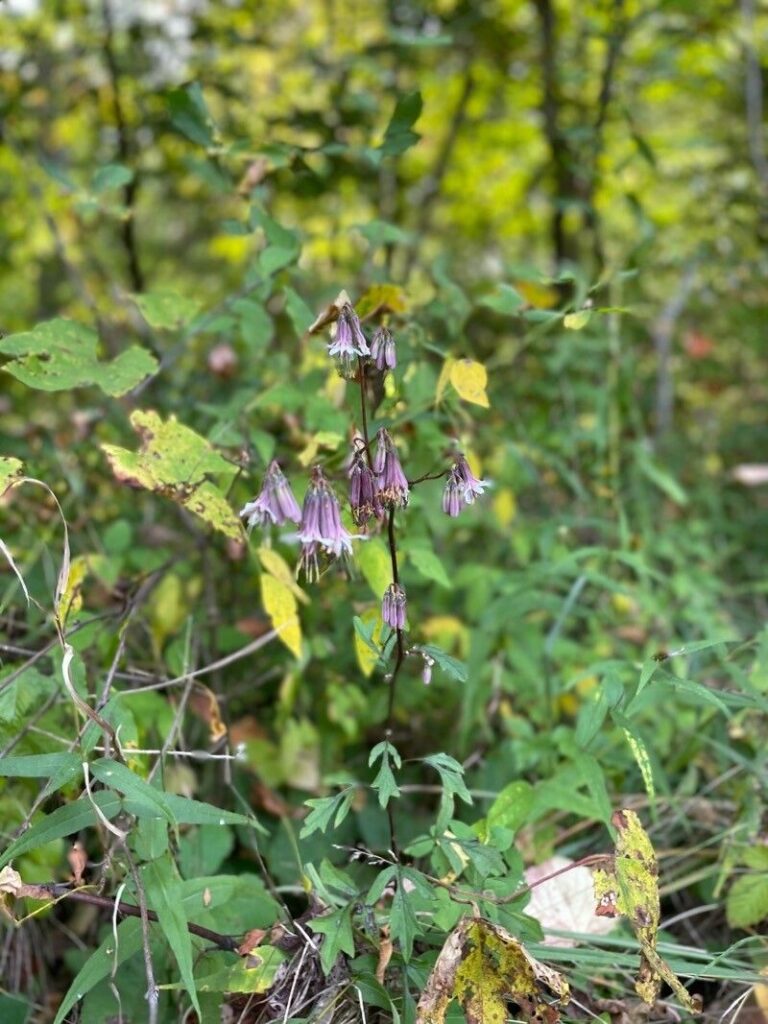
Propagating Aquilegia brevistyla: A Gardener’s Challenge and Reward
Introduction:
Aquilegia brevistyla, also known as the Short-styled Columbine, is a captivating member of the Ranunculaceae family, prized for its delicate, spurred flowers and finely dissected foliage. Its relatively compact habit and unique flower characteristics make it a highly sought-after addition to rock gardens, woodland borders, and cottage gardens. While not as commonly cultivated as some other Aquilegia species, its appeal to gardeners is steadily increasing, driving interest in successful propagation methods. The unique challenges presented by propagating this species contribute to the satisfaction experienced by those who successfully cultivate it.
Seed Germination:
Seed germination is a viable method for propagating Aquilegia brevistyla, but it presents certain challenges. The seeds possess a degree of dormancy and often benefit from stratification – a period of cold, moist treatment mimicking winter conditions.
Challenges: Inconsistent germination rates are common. Seeds may require several weeks or even months to germinate.
Practical Tips: Sow seeds outdoors in autumn directly into well-drained soil incorporating seed starting mix amended with coarse sand for excellent drainage. Alternatively, collect seeds when dry and store them in a cool, dry place to plant in the following autumn. For indoor sowing, stratify seeds by mixing them with moist vermiculite or a similar medium and placing them in a sealed bag in the refrigerator for 6-8 weeks. Sow seeds thinly onto well-draining seed compost and keep the soil consistently moist but not waterlogged. Germination typically occurs within a few weeks to a couple of months after sowing, depending on stratification and environmental conditions.
Rewards: Seed propagation offers the potential for high genetic diversity, leading to a wider range of plant variations. This method is also cost-effective and allows for large-scale propagation if successful.
Cuttings:
Currently, there are no known reliable methods for propagating Aquilegia brevistyla from cuttings. The success rate is extremely low due to the plant’s physiology and difficulty in rooting stems.
Division:
Division is a viable propagation method for Aquilegia brevistyla, particularly for established plants.
Challenges: Dividing plants too aggressively can stress the plant and reduce the chances of successful establishment of the division. Timing is crucial, ideally done in spring or autumn when the plant is actively growing or becoming dormant.
Practical Tips: Carefully dig up the mature plant, gently separating the crown into smaller sections, ensuring each section has multiple healthy roots and shoots. Replant the divisions immediately, keeping them well-watered until established.
Rewards: Division is a relatively straightforward method and allows for rapid increase of the number of plants, ideally maintaining the exact characteristics of the mother plant.
Tissue Culture:
Tissue culture is a technically demanding method requiring specialized equipment and expertise. While theoretically possible, it is not a commonly used method for propagating Aquilegia brevistyla due to the costs and expertise involved compared to the viability of seed germination and division.
Conclusion:
Propagating Aquilegia brevistyla presents unique challenges across various methods. Seed germination, while offering genetic diversity, requires patience and careful technique. Division provides a more reliable method for established plants, ensuring the preservation of desirable characteristics. Cuttings and tissue culture remain less viable options.
The satisfaction derived from successfully cultivating Aquilegia brevistyla, especially through propagation, is profound. Overcoming these challenges reinforces the gardener’s connection with the plant. For aspiring propagators, we encourage patience, meticulous attention to detail, and a willingness to experiment with different techniques. Do not be discouraged by occasional setbacks – the beauty and unique charm of this columbine are rewards well worth the effort.