
Propagating Aquilegia eximia: The Exquisite Challenge
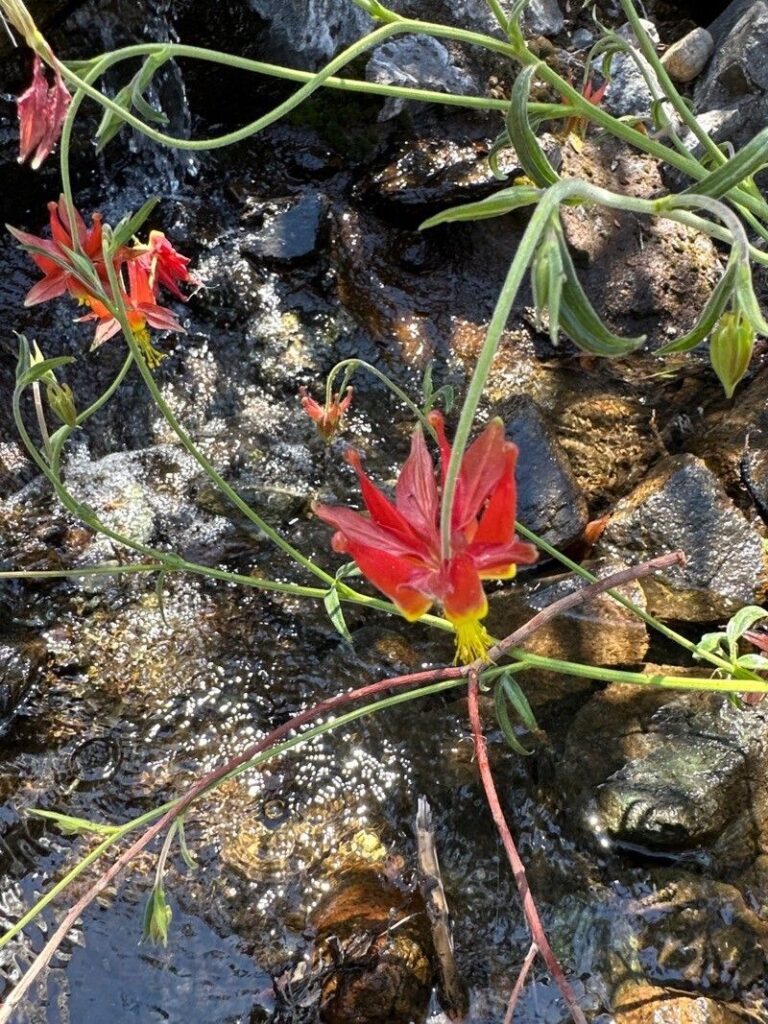
Aquilegia eximia, commonly known as the Red Columbine, is a captivating native North American plant prized for its striking, pendant flowers in shades of red, often with yellow accents. Its delicate foliage and relatively low maintenance requirements make it a popular choice among gardeners seeking to add a touch of wild elegance to their landscapes. However, propagating this beauty can prove surprisingly challenging, demanding patience and attention to detail. Its unique genetic makeup contributes to both the plant’s charm and the hurdles faced during propagation.
Seed Germination:
Seed germination is a viable method for propagating Aquilegia eximia, but it presents significant challenges. The seeds possess a hard seed coat which inhibits water uptake, requiring stratification – a period of cold, moist treatment – to break dormancy. This often involves sowing seeds outdoors in autumn, allowing winter temperatures to naturally stratify them, or mimicking these conditions indoors.
Challenges: Inconsistent germination rates, susceptibility to damping-off (a fungal disease affecting seedlings), and a relatively long germination period (several weeks to months) are common obstacles.
Practical Tips: Sow seeds thinly in well-drained seed-starting mix. For indoor stratification, mix seeds with damp vermiculite or peat moss and place them in a plastic bag in the refrigerator for 6-8 weeks. After stratification, sow the seeds in a bright, cool location, keeping the soil consistently moist but not soggy.
Rewards: Successful seed propagation offers the significant reward of genetic diversity, allowing for the potential emergence of unique color variations or other desirable traits. This is particularly appealing for those interested in collecting and preserving different Aquilegia eximia cultivars or wild strains. It also offers the potential for large-scale propagation, which is less practical with other methods.
Cuttings:
Currently, there are no known reliable methods for propagation of Aquilegia eximia from cuttings. The plant’s physiology appears to make it resistant to rooting from stem cuttings, even under optimal conditions with the use of rooting hormone.
Division:
Division is a relatively successful method, particularly for established plants. However, it’s still not without its challenges.
Challenges: Disturbing the root system can stress the plant, potentially leading to reduced vigor or even plant death. Aquilegia eximia doesn’t readily produce many lateral roots or offsets, limiting the number of divisions possible per plant.
Practical Tips: Divide established clumps in early spring or autumn, ensuring each division receives a portion of the root system and several healthy buds. Plant divisions promptly in well-prepared, moist soil, and provide shade for the first few weeks to aid in recovery.
Rewards: Division offers a quicker propagation method compared to seed and guarantees the propagation of exact genetic clones of the parent plant. This allows for the reproduction of prized cultivars or particularly vigorous specimens.
Tissue Culture:
While not a common practice for home gardeners, tissue culture offers a potential method for large-scale propagation of Aquilegia eximia.
Challenges: Tissue culture requires a sterile environment and specialized equipment and expertise. The process is costly and time-consuming, making it less suitable for small-scale propagation. Developing effective protocols for Aquilegia eximia specifically may require significant research and experimentation.
Practical Tips: This method is best left to commercial propagation laboratories and researchers specialized in plant tissue culture.
Rewards: Tissue culture can produce large numbers of genetically identical plants quickly and efficiently, making this the most efficient method for mass propagation, though inaccessible to most home gardeners.
Conclusion:
Propagating Aquilegia eximia presents unique challenges across all methods. While seed germination offers genetic diversity but requires patience and skill, division provides a more reliable means of propagating specific desirable genetic traits but is limited by the plant’s growth habit. Cuttings are not currently viable. Tissue culture offers rapid large-scale propagation, but requires expertise and resources largely inaccessible to hobbyists. However, the rewards of successfully cultivating these elegant plants – whether through the thrill of seeing a tiny seedling emerge or the satisfaction of dividing a mature clump – are well worth the effort. The unique beauty and wild character of Aquilegia eximia make the challenge of propagation a deeply rewarding endeavor for the dedicated gardener. Don’t be discouraged by initial setbacks; persistence and experimentation are key to unlocking the secrets of this exquisite columbine’s propagation.