
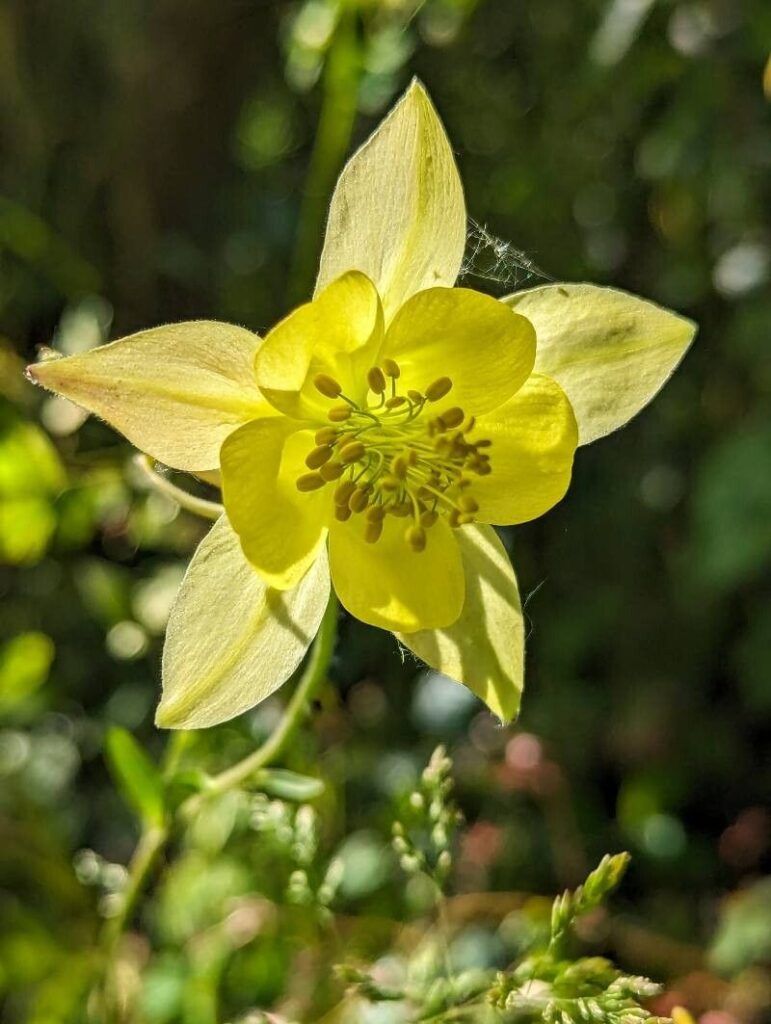
Propagating Aquilegia flavescens: The Pale Beauty of the Rocky Mountains
Aquilegia flavescens, commonly known as the pale columbine, is a captivating wildflower native to the mountainous regions of North America. Its delicate, pale yellow to creamy-white flowers, often tinged with a blush of lavender or green, hang gracefully from slender stems. This understated elegance has earned it a cherished place in rock gardens and alpine settings, making it a sought-after plant amongst gardeners. Its adaptability to various soil conditions (once established) and comparatively low maintenance make it appealing, but success in propagation presents unique challenges.
Seed Germination:
Seed germination is a viable method for propagating Aquilegia flavescens, though it presents some hurdles. The primary challenge lies in the seed’s requirement for stratification – a period of cold, moist treatment that mimics the natural winter conditions necessary for breaking dormancy.
- Challenges: Seeds may exhibit slow and uneven germination rates. Fungal diseases can also plague seedlings, especially in overly moist conditions.
- Practical Tips: Collect seeds once the seed pods have fully dried, allowing them to dehisce (naturally open). Stratify seeds for 6-8 weeks by mixing them with moist vermiculite or perlite and storing them in a refrigerator at temperatures between 35-40°F (1.7-4.4°C). Sow seeds in a well-draining seed-starting mix in a cool, shaded location. Keep the soil consistently moist but not waterlogged. Gentle bottom watering is recommended.
- Rewards: Seed propagation offers the advantage of high genetic diversity. It also provides opportunities for large-scale propagation, allowing for the creation of extensive displays of this beautiful species.
Cuttings:
Currently, there are no known reliable methods for propagation of Aquilegia flavescens via cuttings. Columbines generally don’t root easily from cuttings.
Division:
Division is a relatively successful method for propagating established Aquilegia flavescens plants.
- Challenges: Division is best performed in early spring or autumn, when the plant is less stressed. It is crucial not to damage the roots significantly during the dividing process; this can lead to the death of the divided sections.
- Practical Tips: Carefully dig up the mature plant and gently separate its crowns into smaller sections, ensuring each section retains a healthy portion of roots and foliage. Replant each division promptly, ensuring adequate spacing to allow for growth. Water well after planting.
- Rewards: Division offers a simpler and quicker method of propagation compared to seed germination. It is also less prone to seedling diseases.
Tissue Culture:
Tissue culture is a viable but complex method, requiring specialized equipment and expertise. It’s generally not a technique readily available to the home gardener.
- Challenges: Requires sterile conditions, specialized media, and aseptic techniques. The process is resource-intensive and time-consuming.
- Practical Tips: This method should be performed in a controlled laboratory environment with specialized equipment. The use of appropriate growth hormones is crucial for successful propagation.
- Rewards: Tissue culture allows for rapid multiplication of desirable genotypes, disease-free stock production, and the preservation of rare or threatened cultivars of Aquilegia flavescens.
Conclusion:
Propagating Aquilegia flavescens presents unique challenges, depending on the chosen method. Seed germination, while offering the greatest genetic diversity, requires patience and careful attention to detail during stratification and seedling care. Division offers a more straightforward approach for established plants. Tissue culture, a technically complex method, affords high propagation rates. While the process might seem challenging, cultivating Aquilegia flavescens from seed or by division provides a profound sense of accomplishment. The delicate blooms that reward your efforts, emerging from seemingly humble beginnings, offer a unique satisfaction that surpasses the difficulties encountered along the way. So, embrace the challenge, and revel in the beauty that lies within this pale columbine’s propagation.