
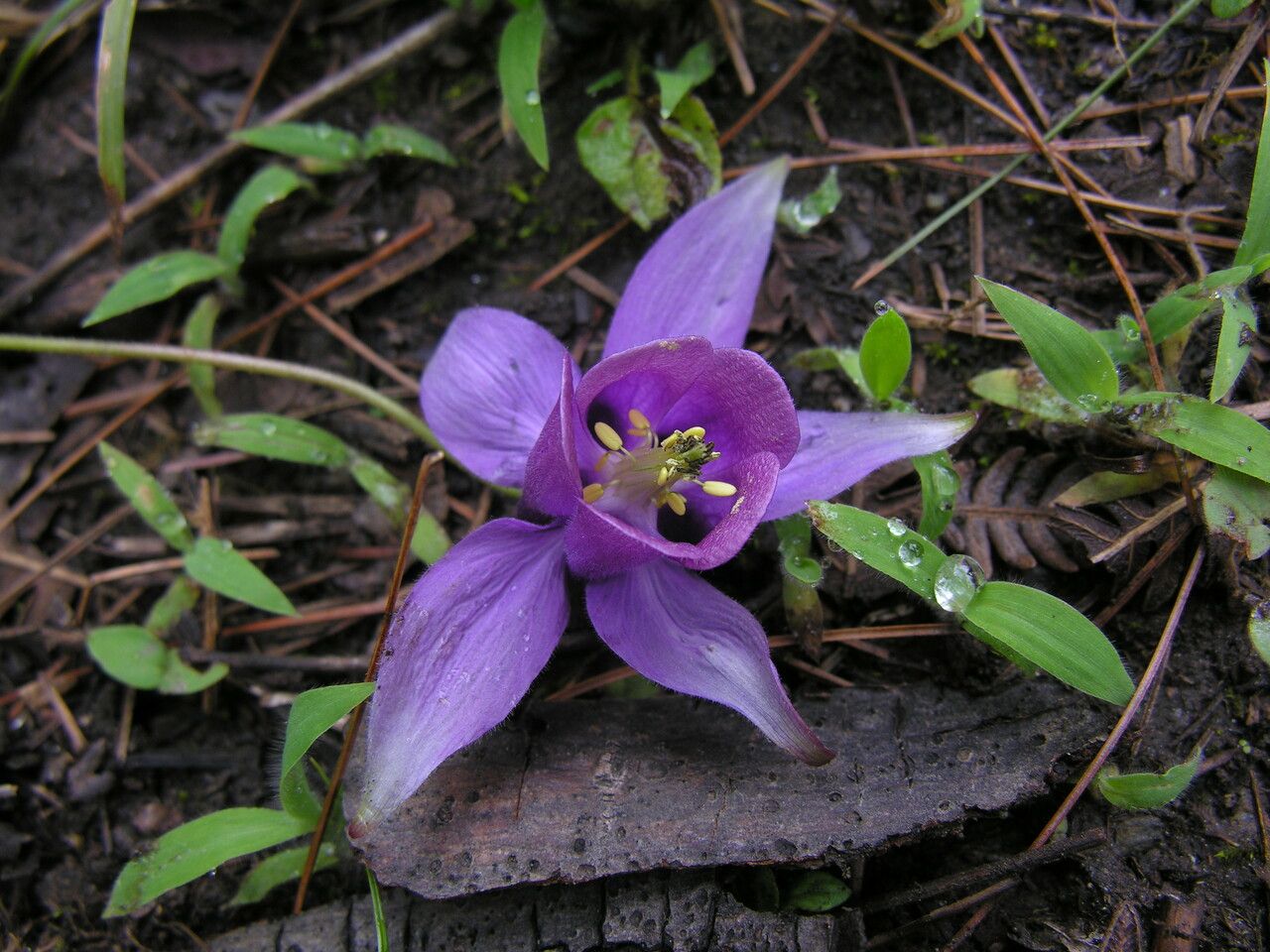
Propagating the Charming Pubescent Columbine (Aquilegia pubiflora)
Introduction:
Aquilegia pubiflora, commonly known as the pubescent columbine, is a captivating wildflower prized for its delicate, bell-shaped blooms and fuzzy foliage. Native to mountainous regions, its charming appearance and adaptability to various garden settings have made it a favorite among plant enthusiasts. However, propagating this species presents unique challenges, requiring patience and a nuanced understanding of its reproductive biology. This article will explore various propagation methods, weighing their viability and effectiveness.
Seed Germination:
Seed germination is a viable method for propagating Aquilegia pubiflora, though it’s not always straightforward. The primary challenge lies in the seed’s dormancy. Many Aquilegia species require a period of cold stratification to break dormancy and initiate germination.
Challenges: Inconsistent germination rates are common, and the process can be slow. Fungal diseases can also affect seedlings, particularly in damp conditions.
Practical Tips: Seeds should be sown outdoors in autumn or undergo a period of cold stratification (e.g., 8-12 weeks at 3-5°C) before spring sowing. Sow seeds thinly in a well-draining seed starting mix, covering lightly with fine vermiculite. Maintain consistently moist (but not soggy) conditions. Providing good air circulation will help prevent fungal issues.
Rewards: Seed propagation offers the greatest genetic diversity, resulting in plants with potentially unique variations in flower color and form. It also enables large-scale propagation, ideal for establishing colonies in gardens or for conservation efforts.
Cuttings:
Currently, there are no known reliable methods for propagating Aquilegia pubiflora from cuttings. Columbines, in general, are notoriously difficult to propagate vegetatively due to their susceptibility to fungal infections and their lack of readily rooting tissues.
Division:
Division is a potentially viable, albeit limited method, for propagating Aquilegia pubiflora.
Challenges: Aquilegia pubiflora, like many columbines, often forms a relatively small clump, limiting the number of divisions possible from a single plant. Divisions must be carefully handled to avoid damaging the delicate roots. Success also depends on providing ideal conditions for the newly divided plants to establish.
Practical Tips: Division is best undertaken in early spring or autumn when the plant is actively growing or becoming dormant. Divide the crown carefully, ensuring each division has sufficient roots and healthy shoots. Plant the divisions immediately in well-prepared, well-draining soil.
Rewards: Division allows for the rapid increase of a particularly desirable cultivar, maintaining its exact genetic characteristics, unlike seed propagation.
Tissue Culture:
Tissue culture offers the potential to propagate Aquilegia pubiflora on a larger scale, while also retaining genetic uniformity.
Challenges: Establishing a successful tissue culture protocol requires specialized equipment, expertise, and a sterile environment. It can be costly and time-consuming.
Practical Tips: Expertise in plant tissue culture techniques is essential. A suitable growth medium, hormonal treatments (e.g., auxins and cytokinins), and careful monitoring of environmental conditions are critical to success.
Rewards: Tissue culture allows for the mass production of genetically identical plants, crucial for preserving rare cultivars or for commercial propagation.
Conclusion:
Propagating Aquilegia pubiflora presents a range of challenges across different methods. While seed germination offers genetic diversity, it requires patience and careful technique. Division provides a more predictable but limited multiplication of desirable plants. Cuttings are currently unviable, and tissue culture offers the highest potential for mass propagation but demands specialized skills and resources. The satisfaction of successfully cultivating this charming wildflower, however, far outweighs the difficulties involved. The delicate blooms and fuzzy foliage reward the devoted propagator with a unique and rewarding experience. For aspiring propagators, patience, meticulous attention to detail, and a willingness to experiment are key to success. Start with seed germination, combining it with division for more rapid multiplication of successful specimens – and enjoy the journey!