
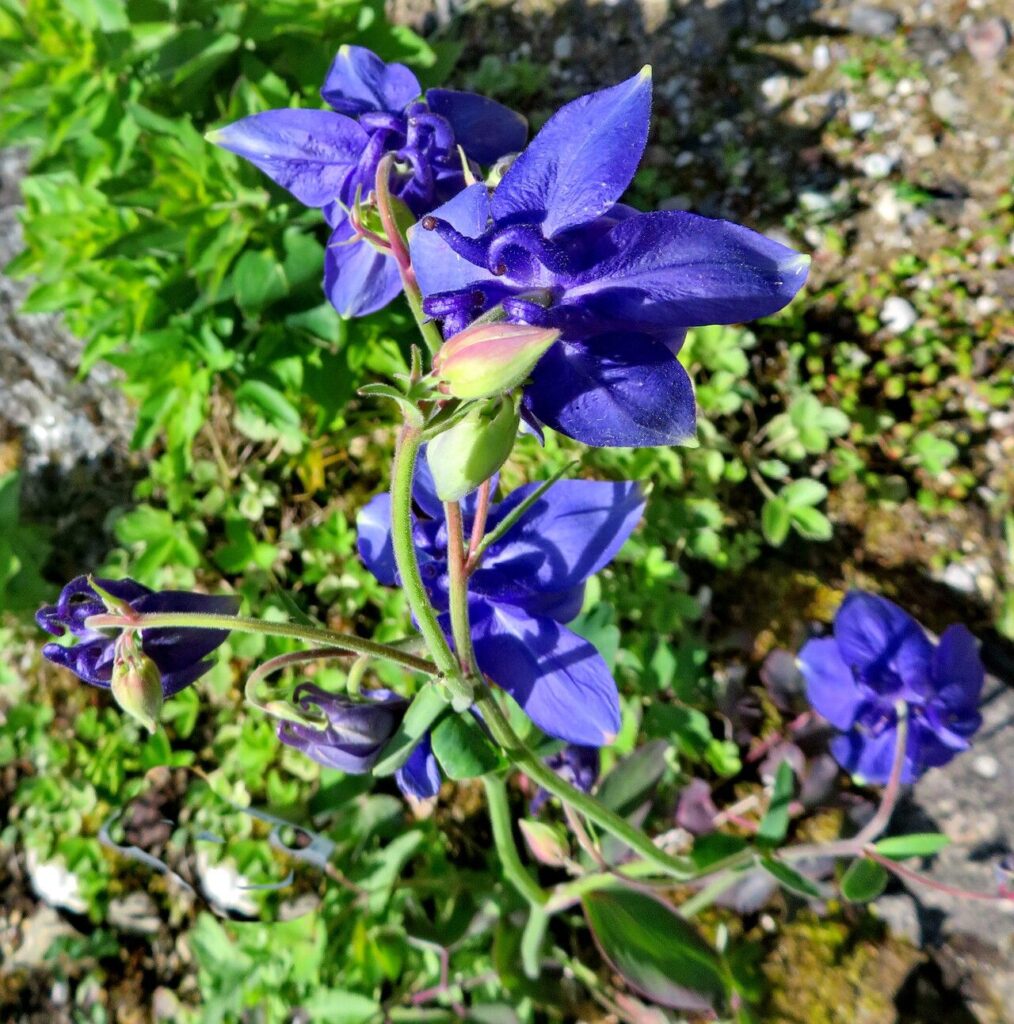
Propagating Aquilegia sibirica: The Siberian Columbine
Introduction:
Aquilegia sibirica, commonly known as the Siberian Columbine, is a captivating perennial boasting delicate, spurred flowers in shades of blue, purple, and white. Native to Siberia and parts of Central Asia, this species captivates gardeners with its airy elegance and tolerance of colder climates. Unlike some Columbines, Aquilegia sibirica displays a somewhat more compact habit, making it suitable for smaller gardens. Its propagation, however, presents unique challenges compared to more common Columbine varieties, requiring a nuanced approach across different methods.
Seed Germination:
Seed germination is a viable, albeit challenging, method for propagating Aquilegia sibirica. The primary challenge lies in the seeds’ requirement for stratification – a period of cold, moist treatment mimicking winter conditions. This is crucial to break seed dormancy.
Challenges: Seed dormancy can be significant, leading to low germination rates if stratification is not properly executed. Furthermore, seedlings are susceptible to damping-off (fungal disease) in overly moist conditions.
Practical Tips: Sow seeds outdoors in autumn directly into well-drained soil to benefit from natural stratification. Alternatively, for spring sowing, pre-treat seeds by mixing them with damp vermiculite or peat moss and storing them in a refrigerator at 3-5°C (37-41°F) for 8-12 weeks. Sow thinly in seed trays filled with a well-drained seed compost, covering lightly with vermiculite. Keep the compost consistently moist but not waterlogged. Maintain a cool temperature (around 15-20°C or 59-68°F).
Rewards: Successful seed germination offers high genetic diversity, generating plants with potentially unique flower colours and forms. This method is also cost-effective for large-scale propagation.
Cuttings:
Currently, there are no known reliable methods for propagation of Aquilegia sibirica via cuttings. Columbines are notoriously difficult to propagate from cuttings due to their soft, easily-rotting stem tissues.
Division:
Division is a viable propagation method for established Aquilegia sibirica plants.
Challenges: Division is best undertaken in early spring or autumn. Disrupting the root system can stress the plant, potentially hindering growth. Careful handling is vital to ensure the survival of divided sections.
Practical Tips: Carefully dig up the entire clump, gently separating it into smaller sections, each with its own healthy roots and several growing points. Replant the divisions immediately, ensuring they have adequate space and watering. Avoid damaging the delicate root system.
Rewards: Division is a relatively quick and reliable method for multiplying existing plants, preserving the existing genetic characteristics of a particularly desirable specimen.
Tissue Culture:
Tissue culture propagation of Aquilegia sibirica is a viable but specialized technique.
Challenges: Tissue culture requires a sterile environment, specialized equipment, and technical expertise. It is not a method suitable for home propagators. Establishment of protocols might require significant experimentation with media compositions and growth regulators.
Practical Tips: This method is best left to professional nurseries or research labs with the necessary equipment and experience in plant tissue culture techniques.
Rewards: Tissue culture offers the potential for rapid large-scale propagation and the elimination of diseases from planting material. This would create an exceptionally consistent and high-quality stock of plants.
Conclusion:
Propagating Aquilegia sibirica presents various challenges depending on the chosen method. While seed germination offers genetic diversity but requires patience and careful stratification, division provides a more straightforward but less diverse approach suitable for home gardeners. Cuttings and tissue culture methods are currently not readily achievable for the average gardener. The rewards, however, are well worth the effort: the successful cultivation of this elegant Siberian Columbine offers immense satisfaction, reflecting the dedication and skill invested in its propagation. The uniqueness of each bloom and the knowledge that you brought them into existence makes the challenges truly rewarding. For those willing to embrace the learning curve, the journey of propagating Aquilegia sibirica promises a significant horticultural accomplishment.