
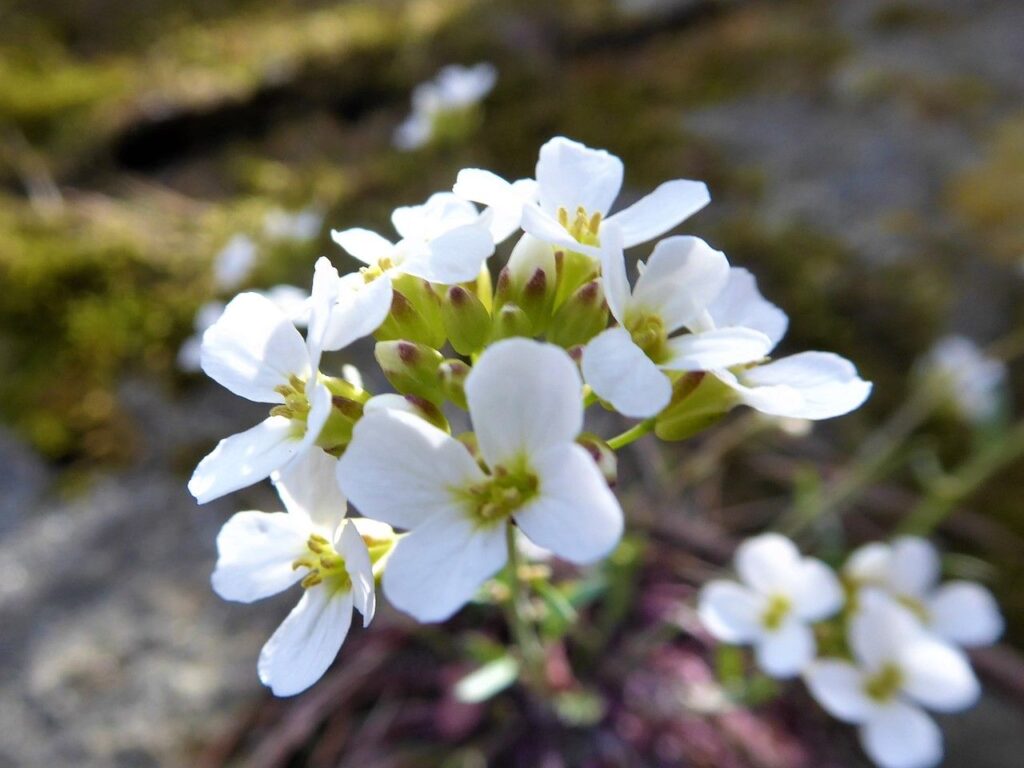
Unlocking the Secrets to Propagating Arabidopsis lyrata: A DIY Guide to Growing this Model Organism
Arabidopsis lyrata, while maybe not as familiar a name as roses or basil, holds a unique position in the plant world. This humble member of the mustard family is a cherished model organism for scientific research, helping us understand everything from plant genetics to evolution. But did you know that propagating Arabidopsis lyrata at home can be an incredibly rewarding experience? Whether you’re a plant enthusiast, a curious student, or a scientist seeking additional resources, this guide will equip you with the knowledge to successfully propagate this fascinating plant.
Understanding the Basics
Before we dive into the techniques, let’s demystify what makes Arabidopsis lyrata so special. This plant’s relatively small size, rapid life cycle, and prolific seed production make it ideal for laboratory research. But these very traits also make it surprisingly easy to grow outside a lab setting.
Methods of Propagation
The most common and efficient way to propagate Arabidopsis lyrata is from seed:
-
Obtaining Seeds: You can purchase seeds from various scientific suppliers or even harvest them from mature plants. Look for reputable sources to ensure you receive good quality seeds.
-
Stratification (Optional): While not strictly necessary, cold stratification can improve germination rates. Place the seeds in a moist paper towel, seal them in a plastic bag, and store them in the refrigerator for 2-4 weeks.
-
Sowing the Seeds: Use a well-draining seed starting mix and sow the seeds on the surface. Arabidopsis lyrata seeds require light for germination, so avoid burying them.
-
Watering and Light: Mist the soil surface regularly to keep it consistently moist but not waterlogged. Place the container in a bright location but out of direct sunlight.
- Germination and Growth: Depending on the temperature and light conditions, you can expect germination within 5-14 days. Once the seedlings have a few true leaves, you can thin them out if necessary.
Beyond Seeds: Exploring Alternative Methods
While seed propagation is the most common approach, Arabidopsis lyrata can also be propagated through tissue culture. This advanced technique involves growing plant tissue in a controlled laboratory environment. While more complex, tissue culture allows for the production of a large number of genetically identical plants, making it a valuable tool for research purposes.
Caring for Your Arabidopsis lyrata
Once your plants are established, they are relatively low-maintenance. They prefer well-drained soil, moderate watering, and good air circulation. You can grow them under fluorescent lights or in a bright window, ensuring they receive 12-16 hours of light per day.
Reaping the Rewards
Propagating and growing Arabidopsis lyrata can be a fascinating journey. Not only will you be contributing to the scientific understanding of this remarkable plant, but you’ll also gain valuable experience in plant propagation techniques. Moreover, having your own stock of Arabidopsis lyrata can be a valuable resource for educational purposes or for simply observing the wonders of plant growth and development up close.
So, why not embark on this botanical adventure? You might be surprised by how much you can learn from this tiny giant of the plant world.