
Propagating Arabis carduchorum: A Gardener’s Guide to the Caucasian Rockcress
Introduction:
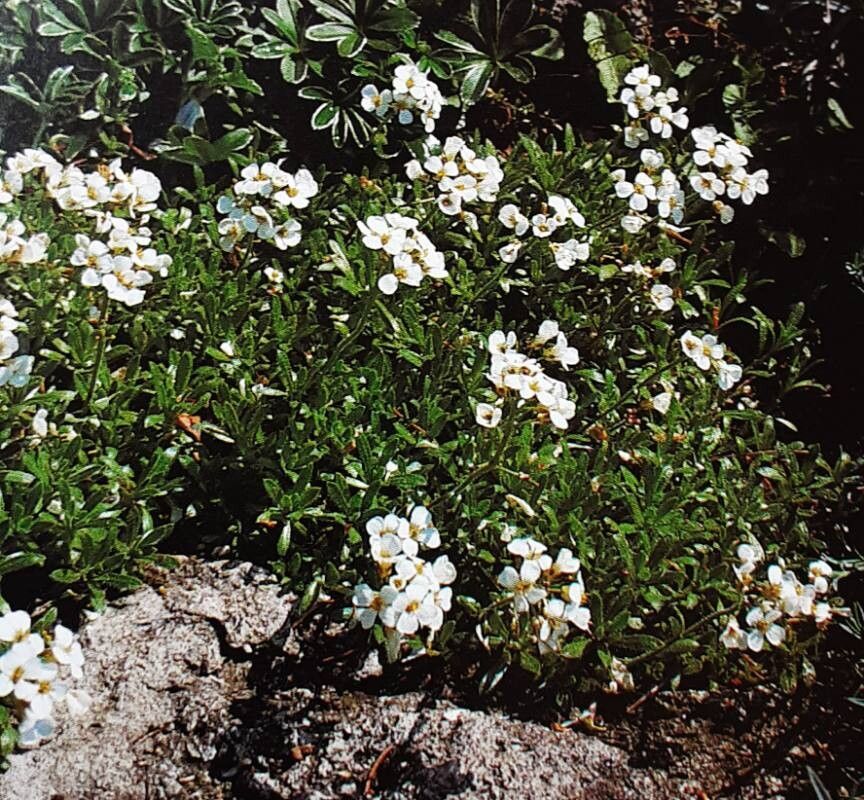
Arabis carduchorum, commonly known as Caucasian rockcress, is a prized alpine plant celebrated for its dense mats of silvery-grey foliage and profuse displays of small, white flowers in spring. Its low-growing habit and tolerance for poor, well-drained soils make it an ideal groundcover for rock gardens, walls, and slopes. While relatively easy to maintain once established, propagating Arabis carduchorum can present unique challenges, making successful propagation a rewarding experience for the dedicated gardener. Its popularity stems from its hardiness, attractive foliage and the ease of care once established. However, achieving successful propagation requires careful consideration of several factors.
Seed Germination:
Currently, there are no known reliable methods for seed germination propagation of Arabis carduchorum. While seeds may be produced, germination rates are notoriously low and unpredictable, even under ideal conditions. Extensive research has not yet yielded a consistently successful protocol for seed germination.
Cuttings:
Challenges: Rooting cuttings of Arabis carduchorum can be slow and inconsistent. The success rate depends heavily on timing (taking cuttings from actively growing shoots), using a suitable rooting hormone, and maintaining consistently high humidity.
Practical Tips: Take semi-hardwood cuttings in late spring or early summer from non-flowering stems. Dip the cut ends in a rooting hormone powder before planting them in a well-draining propagating mix (e.g., peat moss and perlite). Keep the cuttings consistently moist but not waterlogged, ideally under a humidity dome or plastic bag to maintain high humidity. Place the cuttings in bright, indirect light. Rooting may take several weeks or even months.
Rewards: Successfully rooted cuttings will yield genetically identical plants to the parent plant, preserving desirable traits. This method is suitable for smaller-scale propagation of specific cultivars.
Division:
Challenges: Division is a straightforward method for propagating established plants, but dividing Arabis carduchorum too aggressively can damage the plant and reduce its vigor. The plant has a strong tap root and can be somewhat difficult to separate.
Practical Tips: Divide mature plants in spring or fall when the plant is actively growing or becoming dormant, respectively. Use a sharp, clean knife or spade to carefully separate the plant into smaller sections, each with its own roots and shoots. Replant the divisions immediately in well-drained soil, ensuring the crown is at or just above the soil surface. Water thoroughly after planting.
Rewards: Division is a relatively quick and efficient method for increasing the number of plants. It provides established plants, shortening the time to flowering compared to cuttings or seed.
Tissue Culture:
Challenges: Tissue culture propagation requires specialized equipment, sterile conditions, and experience in plant tissue culture techniques. It’s a complex and expensive method not typically suitable for home gardeners.
Practical Tips: This method involves sterilizing plant material and culturing it on a nutrient medium under controlled conditions to induce plant regeneration. Success depends on using the right media and growth regulators.
Rewards: Tissue culture offers the potential for large-scale propagation and the elimination of pathogens, producing disease-free plants. However, this method generally requires specialized facilities and expertise.
Conclusion:
Propagating Arabis carduchorum presents significant challenges regardless of the method used. Seed germination is currently unreliable, while cuttings require patience and attention to detail. Division, though a more accessible option, necessitates careful handling to prevent injuring the plant. Tissue culture, though capable of large-scale propagation is best left to professional nurseries.
The unique reward of cultivating this plant lies precisely in having overcome these challenges. Successfully propagating, whether through cuttings or division, brings a deep satisfaction, resulting from a combination of horticultural skill and persistent effort. For aspiring propagators, our advice is to begin with division of a healthy plant, then attempt cuttings as a secondary propagation method. Don’t be discouraged by initial setbacks; the beauty of your successfully propagated Caucasian rockcress will make the effort worthwhile.