
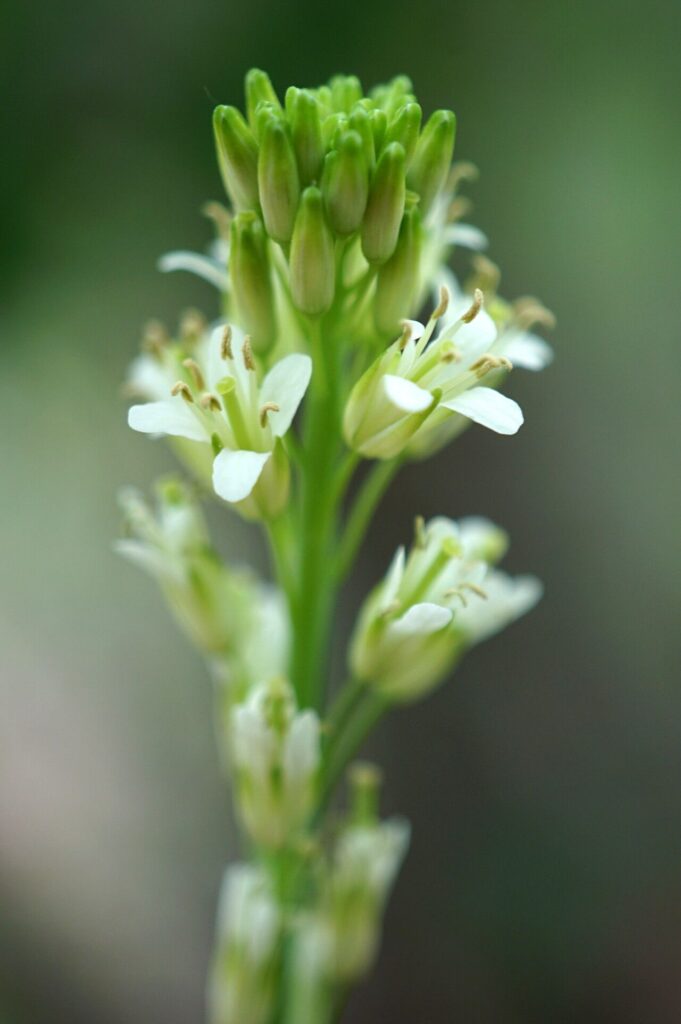
Propagating Arabis sagittata: A Gardener’s Guide to the Arrow-Leaved Rockcress
Introduction
Arabis sagittata, commonly known as arrow-leaved rockcress, is a charming, low-growing perennial prized for its delicate white flowers and attractive, arrow-shaped leaves. Its cascading habit makes it a popular choice for rock gardens, borders, and ground cover, particularly in areas with well-drained soil. While relatively easy to maintain once established, propagating Arabis sagittata can present some challenges. This article explores various propagation methods, highlighting both their difficulties and rewards.
Seed Germination:
Currently, there are no known reliable methods for seed germination propagation of Arabis sagittata. While seeds may be produced, germination rates are notoriously low and inconsistent, making this method impractical for most gardeners.
Cuttings:
Viability: Cuttings offer a relatively successful method for propagating Arabis sagittata.
Challenges: Success depends on the timing and technique. Taking cuttings from healthy, actively growing stems is crucial. Using a rooting hormone can significantly improve success rates.
Practical Tips: Take semi-hardwood cuttings in late spring or early summer. Cuttings should be 4-6 inches long, with the lower leaves removed. Dip the cut ends in rooting hormone and plant them in a well-draining propagation mix, keeping them consistently moist but not waterlogged. Provide bottom heat and humidity to encourage root development. Successful rooting typically takes several weeks.
Rewards: Cuttings produce genetically identical plants, preserving desirable traits. This method is relatively simple and allows for the rapid multiplication of a favorite cultivar.
Division:
Viability: Division is a highly effective and reliable method for propagating Arabis sagittata.
Challenges: This method is best performed in spring or autumn, when the plant is actively growing or beginning its dormant period. Care must be taken to avoid damaging the root system during division. Each division should contain healthy roots and several shoots.
Practical Tips: Gently dig up the established plant and carefully divide the root ball into several sections, ensuring each section has a good root system and multiple growing points. Replant the divisions in well-drained soil and water thoroughly.
Rewards: Division provides a simple and effective way to increase the number of plants, often with quicker results than cuttings. It also provides a way to rejuvenate older plants.
Tissue Culture:
Viability: While tissue culture is a viable method, it requires specialized equipment, a sterile environment, and specific expertise in plant tissue culture techniques. This method is generally not practical for home gardeners.
Challenges: Establishing and maintaining sterile conditions is crucial to prevent contamination. The process requires precise control of temperature, humidity, nutrients, and light.
Practical Tips: This method is best left to commercial propagators or laboratories possessing the necessary facilities and expertise. Specific protocols for Arabis sagittata would need to be developed.
Rewards: Tissue culture allows for mass propagation of genetically identical plants, while eliminating the risk of disease transmission from parent plants.
Conclusion:
Propagating Arabis sagittata presents varying levels of challenge depending on the chosen method. While seed propagation is unreliable, cuttings and division offer accessible and successful options for home gardeners. Tissue culture, though potentially efficient, requires specialized knowledge and equipment. The sense of accomplishment derived from successfully propagating this charming plant, however, makes the effort worthwhile. The patience required to nurture cuttings or carefully divide a mature plant translates into a deep connection with your garden, rewarding the gardener with a flourishing patch of arrow-leaved rockcress. So, choose your method, embrace the learning process, and enjoy the beauty of your successfully propagated Arabis sagittata.