
Propagating Arabis scabra: A Gardener’s Guide to the Rockcress Challenge
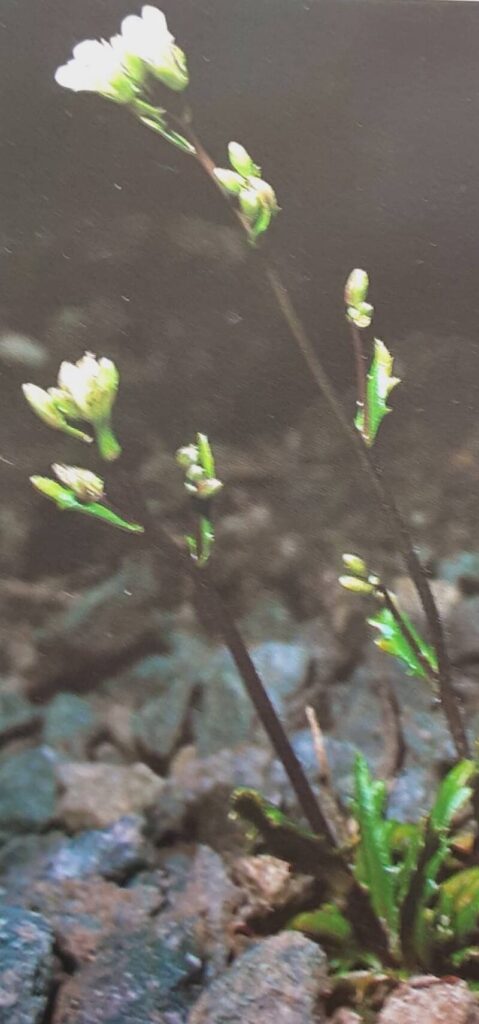
Arabis scabra, commonly known as rough rockcress, is a captivating alpine perennial prized for its dense mats of silvery-grey foliage and displays of delicate white or pink flowers in spring. Its drought tolerance and adaptability make it a popular choice for rock gardens, borders, and even ground cover in challenging locations. However, propagating this charming plant presents unique hurdles. While its propagation isn’t impossible, success requires patience and careful technique.
Seed Germination:
Currently, there are no known reliable methods for seed germination propagation of Arabis scabra. While seeds may be produced, germination rates are notoriously low and inconsistent, making this method impractical for most gardeners. The specific reasons behind this low germination success remain unclear, possibly due to a combination of factors including dormancy mechanisms and specific environmental requirements not yet fully understood.
Cuttings:
Cuttings offer a more reliable method for propagating Arabis scabra.
Challenges: Rooting can be slow and inconsistent, depending on factors like the time of year, the age and health of the parent plant, and the quality of the rooting medium.
Practical Tips: Semi-hardwood cuttings taken in late summer or early autumn generally yield the best results. Use a sharp knife or shears to take 4-6 inch cuttings from non-flowering stems. Remove lower leaves and dip the cut ends in rooting hormone before planting in a well-draining propagation mix (e.g., a mix of perlite and peat moss). Maintain consistent moisture without overwatering, and provide bottom heat for optimal rooting if possible. High humidity levels, achieved with a humidity dome or plastic bag, can improve success rates.
Rewards: This method allows for the replication of desirable traits from a specific mother plant, preserving its unique characteristics. It is a relatively straightforward method, accessible to hobbyist gardeners.
Division:
Division is another viable propagation method for Arabis scabra, particularly effective for established plants.
Challenges: Over-division can stress the plant, leading to reduced vigor or failure to establish. It is best suited for larger, well-established clumps.
Practical Tips: Divide the plant during spring or autumn when the soil is moist but not waterlogged. Carefully lift the parent plant and separate the root ball into smaller sections, each with sufficient roots and foliage. Replant the divisions immediately, ensuring good soil contact. Water gently after planting.
Rewards: Division is relatively quick and easy for established plants, allowing for rapid increase in numbers. It’s a less technically demanding method compared to cuttings.
Tissue Culture:
Tissue culture is a sophisticated method that offers the possibility of large-scale propagation of Arabis scabra.
Challenges: Requires specialized equipment, sterile conditions, and a high level of technical skill. It is typically undertaken in a laboratory or specialized propagation facility. Developing a successful protocol for Arabis scabra might require significant research and experimentation.
Practical Tips: This is not a method suitable for home gardeners. The procedure involves sterilizing plant tissues, culturing them on a nutrient medium, and subsequently transferring plantlets to suitable growing media.
Rewards: Allows for mass production of identical plants (clones), preserving desirable traits while eliminating the risk of diseases present in parent plants. It’s vastly faster than other propagation methods if successful protocols are established.
Conclusion:
Propagating Arabis scabra presents unique challenges, with seed germination proving unreliable. Cuttings and division are more successful methods, achievable by dedicated home gardeners. Tissue culture offers a high-output option but demands specialized expertise and resources. Each method provides its rewards, from genetic diversity (theoretically achievable with seed propagation if successful) to the rapid multiplication of desirable plants. The satisfaction of successfully cultivating this beautiful plant, particularly after overcoming the propagation hurdles, is immense. Don’t be discouraged by initial setbacks; experiment with cuttings and division, and enjoy the rewarding journey of bringing more rough rockcress into your garden.