
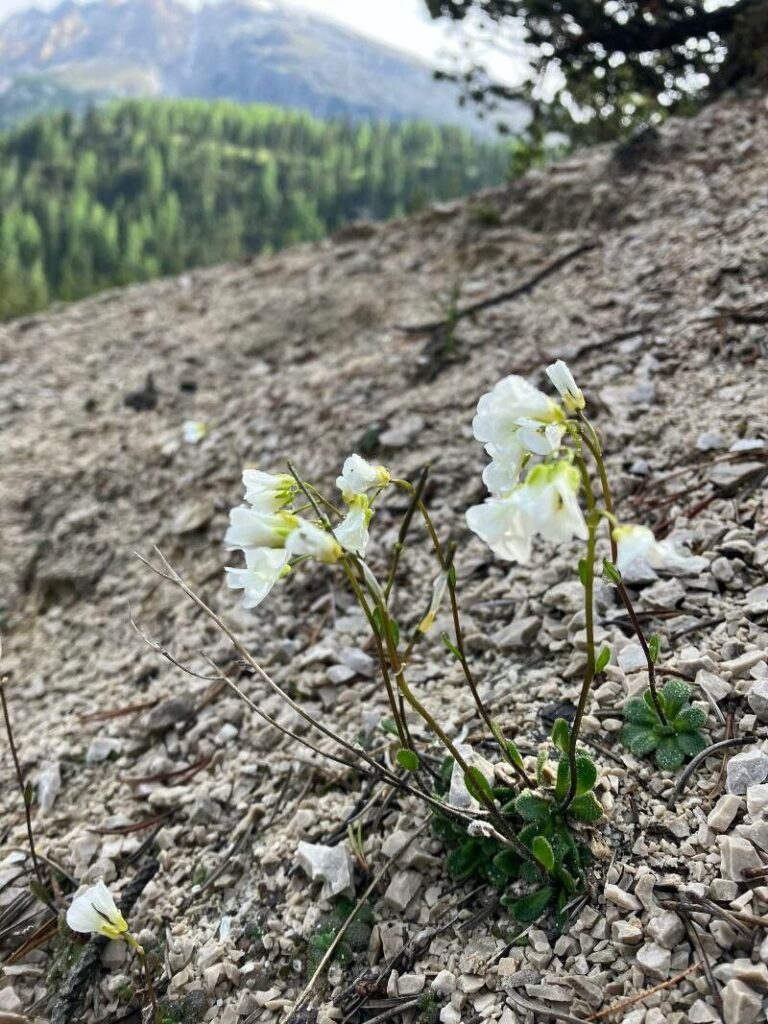
Unveiling the Secrets of Starry Rockcress Propagation: A Guide to Multipying Arabis Stellulata
Arabis stellulata, affectionately known as Starry Rockcress, is a sight to behold. Imagine a cascade of delicate white flowers erupting from a bed of vibrant green foliage – that’s the magic this alpine plant brings to gardens and rockeries alike. But what if you could duplicate that beauty, spreading its charm to new corners of your outdoor space?
Fortunately, propagating Starry Rockcress isn’t as daunting as you might think. This hardy plant readily lends itself to several methods, allowing both novice and experienced gardeners to expand their collection. So, are you ready to unlock the secrets of propagating this alpine gem? Let’s dive in!
Method 1: Seed Starting – A Journey of Patience and Reward
For those who find joy in nurturing life from its earliest stage, seed starting is a gratifying experience. Here’s how to do it:
- Timing is Key: Sow your seeds in late winter or early spring, 6-8 weeks before the last expected frost.
- Prepare the Seedbed: Choose a well-draining seed starting mix and moisten it thoroughly.
- Surface Sow: Sprinkle the seeds on the surface of the mix, as they require light to germinate. Press them gently, but don’t bury them.
- Consistent Moisture: Keep the soil consistently moist, misting regularly to avoid disturbing the tiny seeds.
- Warmth and Light: Provide a warm environment (around 70°F) and place the tray in a bright location, out of direct sunlight.
- Transplanting Time: Once the seedlings develop a couple of sets of true leaves, transplant them into individual pots or your outdoor garden after the last frost.
Method 2: Division – The Art of Multiplication
For a quicker and more predictable outcome, division is the way to go. This method involves splitting established plants to create new ones. Here’s a step-by-step guide:
- Timing: Divide your Arabis stellulata in early spring or fall when the weather is cool.
- Lift the Plant: Gently dig around the plant, ensuring you don’t damage the roots.
- Divide with Care: Using a sharp, clean knife or garden shears, separate the plant into sections, each with a healthy amount of roots and shoots.
- Replant and Water: Replant the divisions immediately, spacing them adequately. Water them thoroughly to encourage establishment.
Method 3: Cuttings – Harnessing the Power of Regeneration
Propagating from cuttings might seem like a pro-level technique, but it’s surprisingly achievable with Starry Rockcress:
- Time it Right: Take your cuttings in late spring or early summer, choosing healthy, non-flowering stems.
- Prepare the Cuttings: Using a sharp, clean knife or pruners, take 3-4 inch cuttings just below a leaf node. Remove the lower leaves.
- Encourage Rooting: Dip the cut end in rooting hormone (optional but beneficial) and plant the cuttings in a well-draining potting mix.
- Humidity is Key: Create a humid environment by covering the pot with a plastic bag or using a propagator.
- Transplant When Ready: Once the cuttings have developed a healthy root system, typically in 4-6 weeks, transplant them to their permanent location.
A Final Word of Encouragement
Propagating your own Arabis stellulata is a rewarding experience that brings you closer to the wonders of the plant world. So, don’t hesitate to experiment with different methods and find what works best for you. With a little patience and care, you’ll soon have a flourishing collection of these charming alpine stars gracing your garden space.