
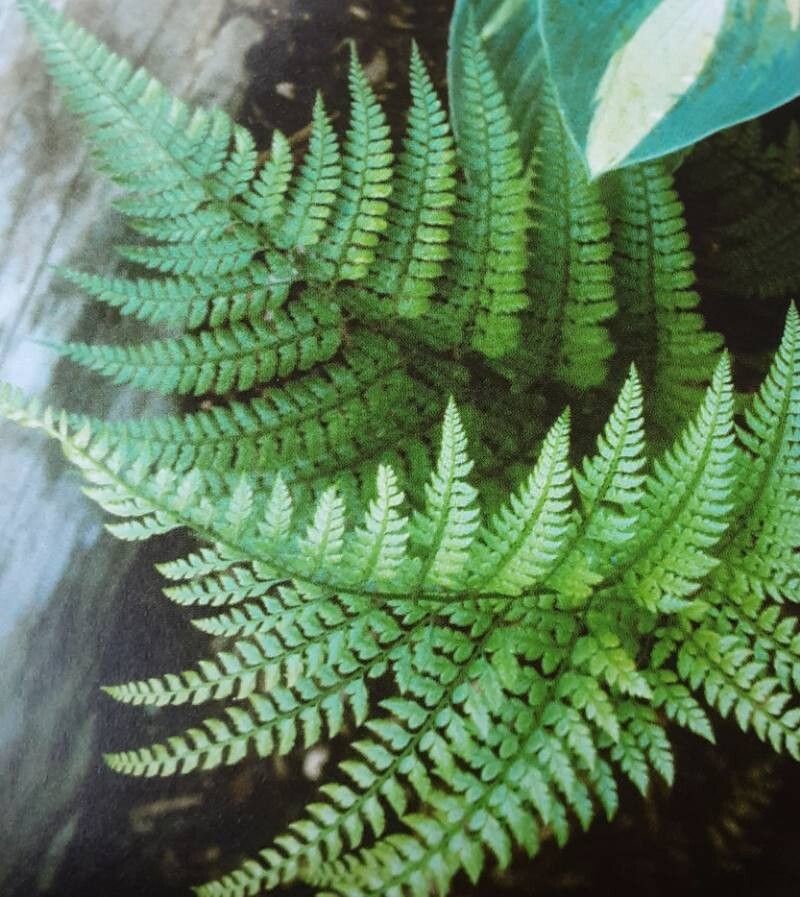
Propagating the Golden Holly Fern (Arachniodes aristata): A Gardener’s Guide
Introduction:
Arachniodes aristata, commonly known as the Golden Holly Fern, is a captivating fern prized for its elegantly arching fronds adorned with golden-brown to rusty-red scales along the rachis (midrib) and stipe (petiole). Its delicate appearance belies a robust nature, making it a popular choice among fern enthusiasts seeking both visual appeal and relative ease of care. However, propagation can present unique challenges. While readily available commercially, understanding the various propagation methods can enhance your gardening experience and allow you to expand your collection of this exquisite fern. Unlike some ferns that readily self-sow, Arachniodes aristata presents a more nuanced propagation process.
Seed Germination:
Currently, there are no known reliable methods for seed germination propagation of Arachniodes aristata. The fern’s reproductive strategy appears to favor asexual methods, making seed production and germination exceptionally difficult, if not impossible, under typical horticultural conditions.
Cuttings:
Cuttings are also not highly effective for propagating Arachniodes aristata. While some fern species propagate readily from cuttings, this method has proven unreliable for the Golden Holly Fern. The lack of adventitious root formation from frond or rhizome segments limits success. Attempts may yield some minimal results, but the survival rate is extremely low, making this method impractical for large-scale or reliable propagation.
Division:
Division is the most reliable and commonly used method for propagating Arachniodes aristata. This involves carefully separating the rhizomes (underground stems) into smaller sections, each containing multiple growing points.
Challenges: Successfully dividing requires a mature, healthy plant with well-established rhizomes. Damaging the rhizomes during division can severely hinder the survival and growth of the new plants. Careful handling is paramount.
Practical Tips: The best time for division is during the spring or early summer, when the fern is actively growing. Use a sharp, clean knife or spade to separate the rhizomes, ensuring each division has healthy roots and at least one actively growing frond. Plant the divisions in a well-draining potting mix rich in organic matter. Ensure adequate moisture but avoid overwatering, which can lead to root rot.
Rewards: Division allows for the quick and relatively straightforward increase of your plant stock. It’s the most consistent way to obtain genetically identical plants, preserving the desirable traits of the parent plant.
Tissue Culture:
Tissue culture offers a potential, albeit specialized, method for propagating Arachniodes aristata. This laboratory-based technique involves growing plantlets from small segments of plant tissue in a sterile, nutrient-rich medium.
Challenges: Tissue culture requires specialized equipment, a sterile environment, and expertise in plant tissue culture techniques. It’s not feasible for the average home gardener. Developing a successful protocol for Arachniodes aristata might also require experimentation and optimization.
Practical Tips: This method is best left to professionals or researchers with access to the necessary facilities and expertise.
Rewards: Tissue culture allows for mass propagation of genetically identical plants, offering the possibility of large-scale production and preservation of rare or valuable cultivars.
Conclusion:
Propagating Arachniodes aristata presents unique challenges. While seed germination and cuttings are largely unsuccessful, division offers the most reliable method for home gardeners. Tissue culture, while a powerful tool for mass production, remains a highly specialized technique. The satisfaction derived from successfully propagating this fern through division, despite the meticulous care required, is a testament to the grower’s skill and patience. The reward of expanding your collection of these elegant ferns far outweighs the effort. Begin with a healthy mother plant and approach division with care and attention to detail, and you will be handsomely rewarded with thriving Golden Holly Ferns.