
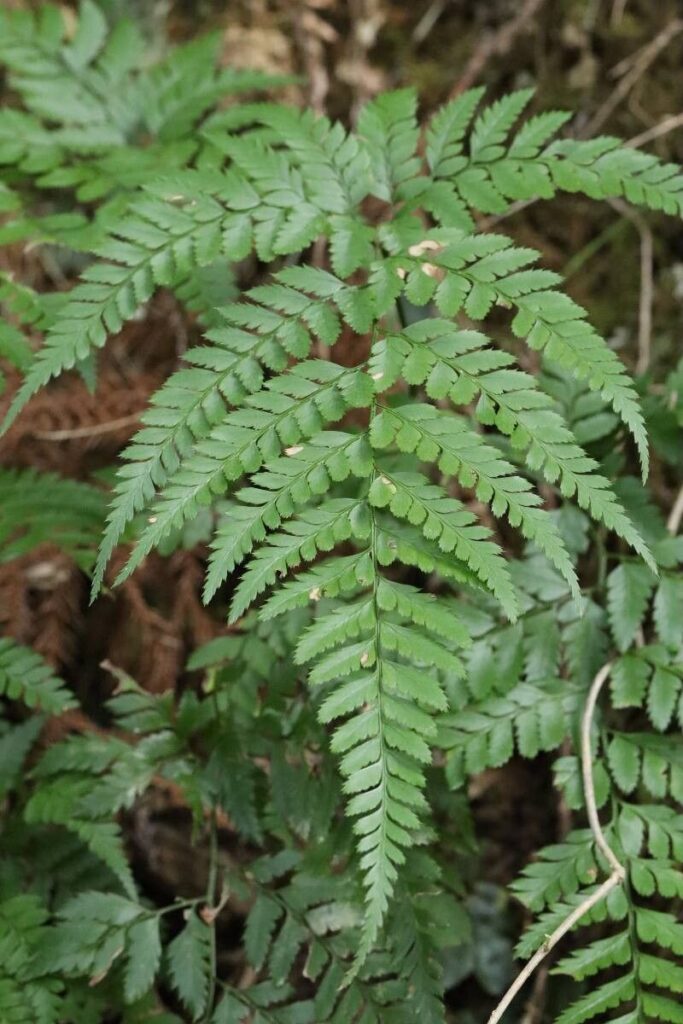
Unveiling the Secrets of Arachniodes Chinensis Propagation: A Beginner’s Guide
The captivating world of ferns holds a unique allure for plant enthusiasts, and the Arachniodes chinensis, also known as the Chinese Lace Fern, stands out with its delicate, lacy fronds that evoke a sense of tranquility and elegance. While acquiring one of these beauties is a start, wouldn’t it be incredible to multiply your verdant treasures? This guide delves into the fascinating realm of Arachniodes chinensis propagation, empowering you to cultivate an enchanting fern sanctuary.
Understanding Arachniodes Chinensis
Native to the woodlands of East Asia, this semi-evergreen fern thrives in cool, humid environments with dappled shade. Its fronds, reminiscent of finely crafted lace, add a touch of ethereal beauty to any space. Before embarking on the propagation journey, it’s essential to understand this fern’s preferences, ensuring ideal conditions for successful multiplication.
Propagation Techniques: Unlocking Nature’s Secrets
While Arachniodes chinensis doesn’t produce seeds like flowering plants, replicating its delicate beauty is far from impossible. Here are the two primary methods of propagation:
- Division: This technique, mimicking nature’s way of spreading, is the most common and effective means of propagating your fern.
- Timing is Key: Spring, during the plant’s active growth phase, is the optimal time for division.
- Gentle Separation: Carefully remove the fern from its pot and gently tease apart the root ball into smaller sections, ensuring each division has a healthy set of roots and fronds.
- Repotting: Plant each division in a well-draining potting mix, ideally containing peat moss and perlite for optimal moisture retention and aeration.
- Nurturing New Growth: Place the newly potted divisions in a warm, humid environment with indirect light. Maintain consistent moisture, allowing the soil to slightly dry between waterings.
- Spores: For the adventurous gardener, propagating ferns through spores offers a rewarding, albeit slightly more challenging, experience.
- Spore Collection: Identify mature, dark brown spore cases (sori) on the underside of the fronds. Carefully remove a frond and allow the spores to fall onto a clean sheet of paper.
- Sowing the Spores: Fill a seed tray with a sterile seed starting mix and moisten it evenly. Sprinkle the spores thinly over the surface, avoiding overcrowding.
- Creating a Humid Environment: Cover the tray with a clear plastic lid or wrap it in a plastic bag to retain moisture and warmth. Place it in a shaded area with indirect light.
- Patience is Paramount: Germination can take several weeks to months. Once small fernlets emerge, gradually acclimate them to the open air by lifting the cover for increasingly longer periods.
- Transplanting: When the fernlets are large enough to handle, transplant them into individual pots containing well-draining potting mix.
Nurturing Your Propagated Ferns
Regardless of the chosen propagation method, providing the right care regimen is crucial for success:
- Light: Opt for bright, indirect light, mimicking their natural woodland habitat.
- Humidity: These ferns thrive in humid environments. Misting regularly or placing a humidifier nearby is highly beneficial.
- Watering: Keep the soil consistently moist but avoid overwatering, which can lead to root rot.
- Fertilizer: During the growing season, apply a balanced liquid fertilizer diluted to half strength every 4-6 weeks.
With a little patience and dedication, you can propagate your Arachniodes chinensis, expanding your indoor jungle and sharing the gift of these captivating ferns with fellow plant enthusiasts. As your propagated ferns unfurl their delicate fronds, they’ll stand as a testament to the magic of plant propagation and the fulfillment derived from nurturing life’s simple wonders.