
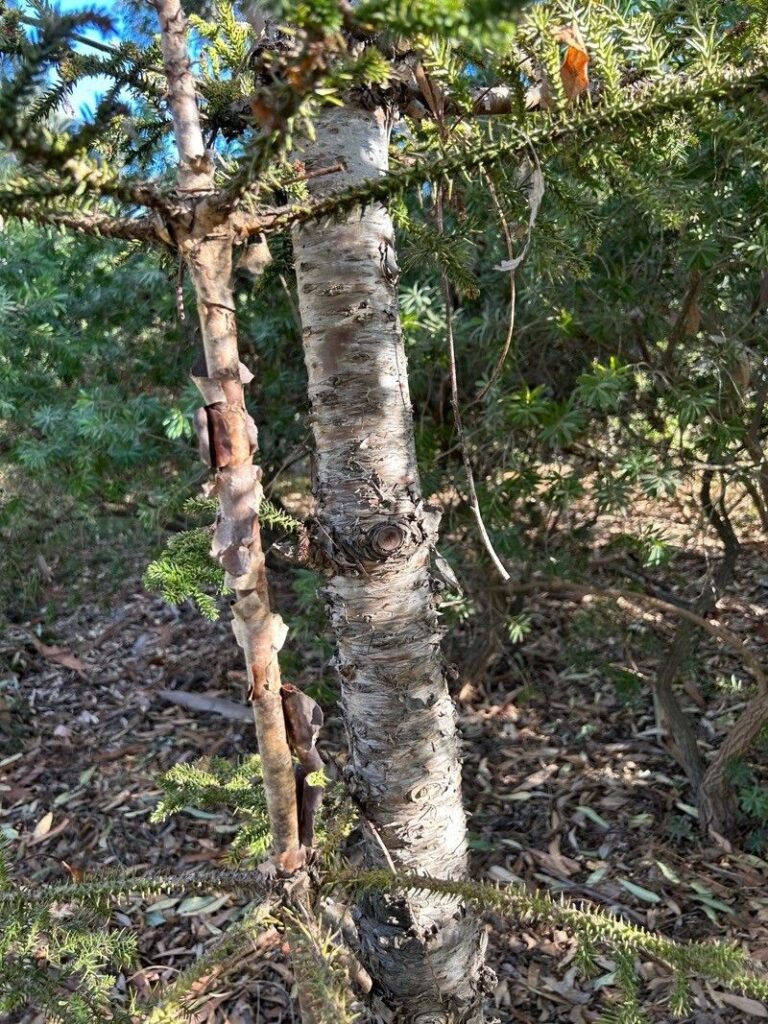
Propagating the Hoop Pine: A Gardener’s Guide to Araucaria cunninghamii
Introduction:
Araucaria cunninghamii, commonly known as the Hoop Pine, is a striking conifer native to eastern Australia and Papua New Guinea. Characterized by its elegant, pyramidal shape, pendulous branches, and distinctive scale-like leaves, it’s a highly sought-after ornamental tree for larger gardens and landscapes. Its unique appearance and relatively fast growth rate for a conifer contribute to its popularity among gardeners. However, propagating this majestic tree presents unique challenges. This article explores various propagation methods, highlighting their feasibility and associated difficulties.
Seed Germination:
Seed germination is a viable, albeit challenging, method for propagating Araucaria cunninghamii. The primary challenge lies in the seed’s relatively short viability period and its sensitivity to environmental conditions. Fresh seeds are crucial for success.
Challenges: Seeds lose viability quickly after harvest. Improper storage can lead to significant germination failure. Furthermore, the seed requires specific conditions for successful germination.
Practical Tips: Sow seeds immediately after collection, preferably in a well-draining seed-starting mix kept consistently moist but not waterlogged. While stratification (a period of cold, moist storage) isn’t strictly required, some sources suggest a brief period (4-6 weeks) at cool temperatures (around 4°C) might improve germination rates. Seeds should be sown shallowly, just barely covered with the compost. Maintain high humidity, for example, via a propagator or humidity dome.
Rewards: Successful germination offers the reward of high genetic diversity, making it an excellent option for establishing a wider range of Hoop Pines with diverse characteristics. It also allows for potential large-scale propagation, though this requires considerable expertise and consistent success rates.
Cuttings:
Cuttings are a less common and generally less successful method for propagating Araucaria cunninghamii.
Challenges: Hoop Pine cuttings are notoriously difficult to root. The success rate is significantly lower compared to seed propagation, even with the application of rooting hormones. The relatively low success rate combined with the challenge of obtaining suitable cuttings makes this method less practical.
Practical Tips: Semi-hardwood cuttings taken from young, actively growing shoots in spring or early summer might have the best chance. Cuttings should be treated with a rooting hormone and planted in a well-draining mix. High humidity and bottom heat are essential.
Rewards: While the success rate is low, successful propagation via cuttings can allow for the precise cloning of desirable traits from a parent plant, including specific growth habits or disease resistance.
Division:
Division is not a practical method for propagating Araucaria cunninghamii. This species doesn’t produce suckers or readily separable divisions like some other plants.
Tissue Culture:
Tissue culture propagation offers the potential for large-scale multiplication of Araucaria cunninghamii, but it’s a highly specialized technique requiring significant expertise and laboratory equipment.
Challenges: Establishing and maintaining sterile conditions is critical to avoid contamination. Successful tissue culture protocols for this species require precise nutrient formulations and growth regulator balances. This method is resource intensive and not readily accessible to the average home gardener.
Practical Tips: This method is best left to specialized nurseries or research facilities with experience in conifer tissue culture.
Rewards: This technique provides a means of rapidly producing many genetically identical plants from a single parent plant, guaranteeing consistency in traits and potentially producing disease-resistant plants more efficiently.
Conclusion:
Propagating Araucaria cunninghamii presents various challenges across all methods. Seed germination, while viable, demands careful attention to seed freshness and environmental conditions. Cuttings offer a low success rate, making them less practical. Division is not feasible. Tissue culture is technically demanding and resource-intensive.
Despite the difficulties, the rewards of successfully cultivating this magnificent tree are substantial. The unique satisfaction of nurturing a Hoop Pine from seed or even a cutting to maturity provides immense personal fulfillment. For those willing to invest the time and effort, the journey is undeniably rewarding. Begin with seed propagation, focusing on using fresh seeds and providing ideal growing conditions. Patience and persistence are key to success in propagating this beautiful and unique conifer.