
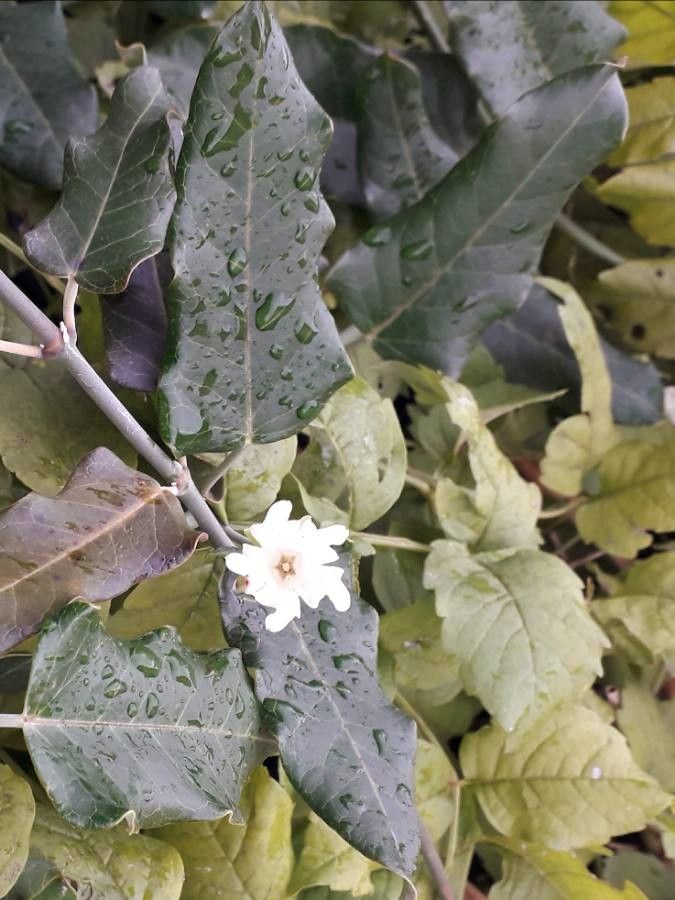
From Seed to Vine: How to Propagate the Intriguing “Silk Vine” (Araujia sericifera)
The “Silk Vine,” scientifically known as Araujia sericifera, is a captivating climber with an intriguing past. Native to South America, this fast-growing vine boasts unique, star-shaped flowers and a distinctive, almost tropical, look. But beyond its beauty, the Silk Vine offers a challenge for gardeners – its invasive potential. Understanding how to cultivate this plant responsibly is key, and propagation is one aspect where conscious choice comes into play.
A Word of Caution: While visually appealing, the Silk Vine can be categorized as an invasive species in certain climates. Its rapid growth and prolific seed production can quickly overwhelm native vegetation. Therefore, before embarking on propagation, it’s essential to research its legality and potential impact in your region.
Propagation Methods for the Silk Vine:
There are two primary methods for propagating Araujia sericifera:
1. From Seed:
- Collecting Seeds: The Silk Vine produces large pods that release numerous seeds with silky hairs. These seeds can easily be collected and stored for future use.
- Seed Preparation: Gently clean the seeds and remove any excess hair. Allow them to dry in a cool, dry place for a few days.
- Sowing: Sow seeds in a seed tray filled with well-draining potting mix. Lightly cover the seeds with soil and mist with water. Maintain a warm, humid environment and monitor the tray regularly.
- Germination: With proper care, seeds will germinate within a few weeks.
2. From Cuttings:
- Taking Cuttings: Select young, healthy stems that have not yet produced flowers. Cut them into pieces approximately 6-8 inches long, making sure each piece has at least two leaf nodes.
- Preparing Cuttings: Remove any leaves below the soil line. Dip the cut ends in rooting hormone, which promotes root development.
- Planting: Pot the cuttings in a well-draining potting mix, ensuring the nodes are buried under the soil. Water thoroughly and maintain the humidity.
- Root Development: Cuttings should develop roots within a few weeks.
Best Practices and Tips:
- Growing Location: The Silk Vine thrives in full sun to partial shade.
- Watering: Water regularly, especially during dry periods.
- Fertilizing: Apply a balanced fertilizer every few weeks during the growing season.
- Pruning: Regular pruning is necessary to control its growth and prevent invasiveness.
- Pest and Disease Control: The Silk Vine is relatively resistant to pests and diseases, but it can be susceptible to aphids and powdery mildew.
Beyond the Garden:
The Silk Vine’s adaptability can be detrimental in natural environments. It’s crucial to be aware of its invasive potential and take precautions. Consider alternative climbing plants that provide beautiful results without posing a threat to local ecosystems.
Conclusion:
Cultivating the Silk Vine requires a cautious and informed approach. Understanding its growth habits, potential invasive tendencies, and proper propagation techniques are vital for both successful cultivation and responsible gardening. By being mindful of its impact and taking appropriate measures, you can enjoy the beauty of this fascinating vine while minimizing its potentially negative consequences.