
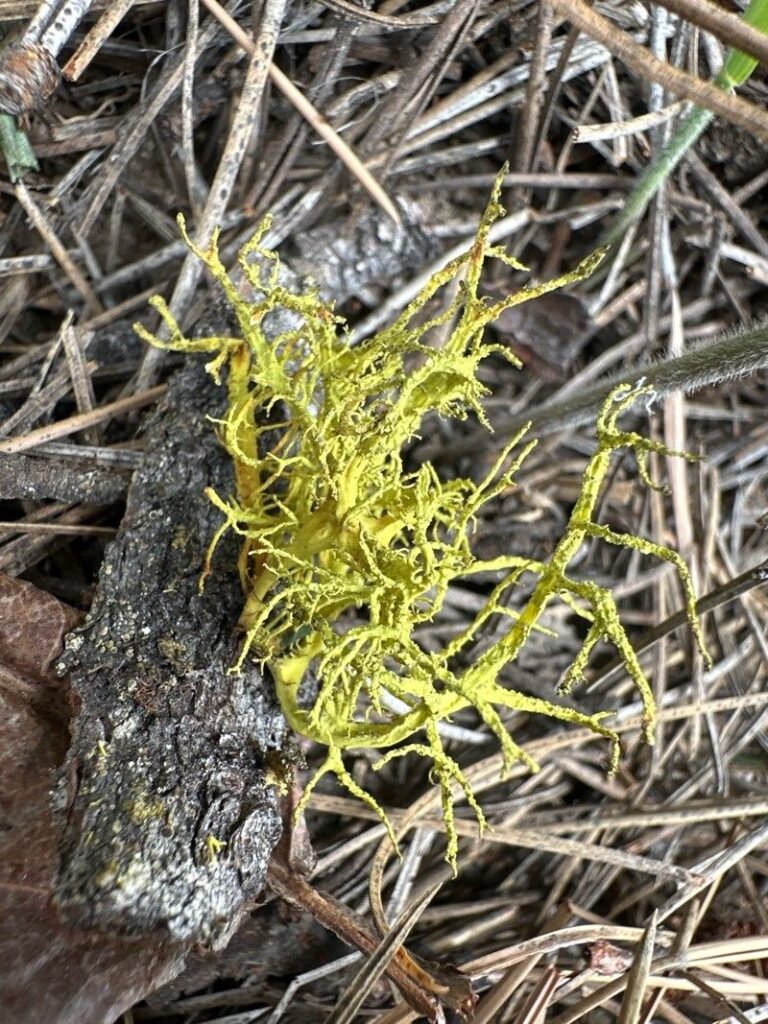
Propagating Arceuthobium campylopodum: A Challenging but Rewarding Endeavor
Arceuthobium campylopodum, commonly known as dwarf mistletoe (though this common name applies to several species within the genus), is a parasitic plant with a fascinating life cycle. Its unique characteristics – small size, intricate branching patterns, and hemiparasitic nature – make it a botanical curiosity, though its horticultural significance is limited to specialized collections or research settings due to its parasitic nature. While not popular in the general gardening sphere, its unique adaptations and challenges associated with its propagation make it a particularly rewarding subject for experienced plant propagators.
Seed Germination:
Currently, there are no known reliable methods for seed germination propagation of Arceuthobium campylopodum. The seeds require specific conditions, including the presence of a suitable host plant, and the germination process is poorly understood. Further research is needed to determine if controlled germination is even possible outside its natural parasitic environment.
Cuttings:
Propagating Arceuthobium campylopodum via cuttings is similarly challenging, if not impossible. The plant’s parasitic nature means it relies entirely on its host for water and nutrients. Severing a cutting would likely result in immediate death due to the inability to establish a connection with a new host.
Division:
Division is not a viable option for propagating Arceuthobium campylopodum. The plant grows as a dense, interwoven mass on its host. Attempts at separating portions are likely to result in damage to both the mistletoe and the host, with little to no chance of survival for the separated parts.
Tissue Culture:
While tissue culture techniques are often successful with challenging plant species, their application to Arceuthobium campylopodum holds significant hurdles. Establishing aseptic cultures from this parasitic plant would require overcoming the challenges of a delicate structure, the potential for contamination from associated microorganisms within the host plant, and the critical need to supply the necessary nutrients and hormones that mimics the plant’s parasitic relationship with a host plant. While research into tissue culture of other Arceuthobium species exists, success with A. campylopodum remains an unexplored area.
Conclusion:
Propagating Arceuthobium campylopodum presents a significant challenge for even the most experienced propagators. All traditional methods – seed germination, cuttings, and division – appear highly improbable to yield success due to the plant’s obligate parasitic nature. While tissue culture offers a theoretical possibility, significant research and development are needed before it becomes a reliable method.
The difficulties involved, however, do not diminish the potential reward. Successfully propagating this enigmatic plant, should it ever become achievable, would represent a remarkable achievement in horticultural science. For anyone willing to embrace the challenge, the unique satisfaction derived from cultivating this fascinating parasitic plant could be exceptionally fulfilling, highlighting the beauty and intricacy of nature’s most unusual adaptations, and contributing significantly to the scientific understanding of this plant. Future research focusing on seed germination requirements and advancing tissue culture techniques holds the key to unlocking the secrets of Arceuthobium campylopodum propagation. Until then, observation and study in the wild remain the most realistic means of appreciating this unique organism.