
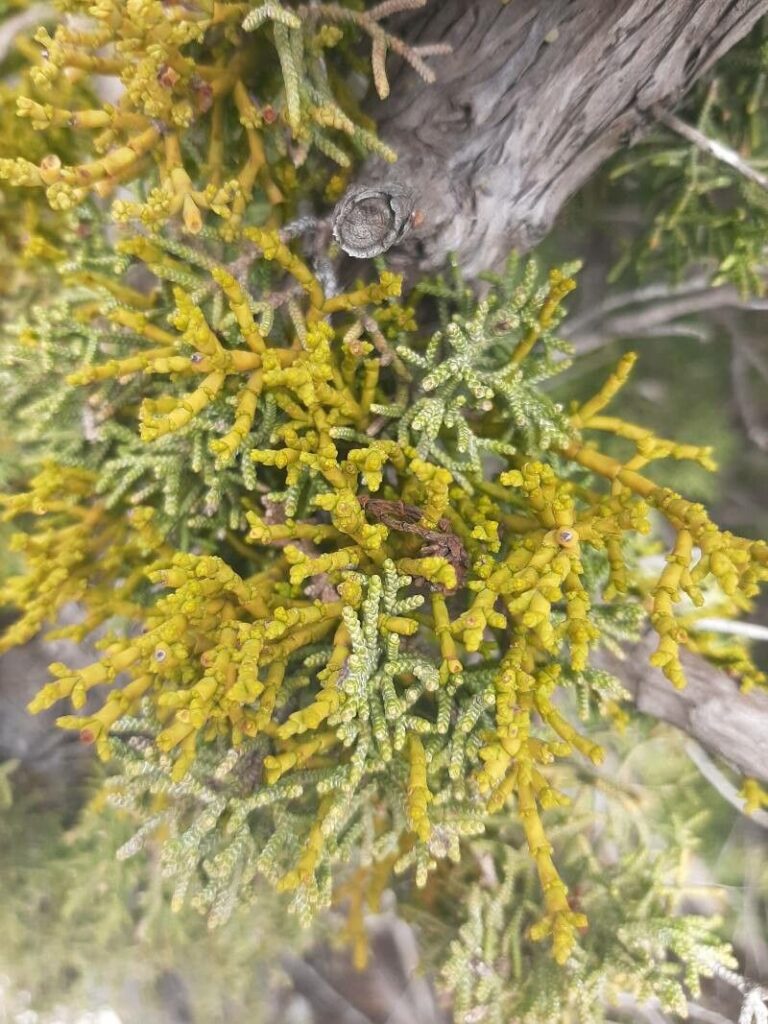
Propagating Arceuthobium gambyi: A Challenging Endeavor
Arceuthobium gambyi, a species of dwarf mistletoe, presents a unique challenge to even the most experienced horticulturalists. Its parasitic nature and specialized life cycle make propagation far from straightforward. While not commonly found in gardens due to its parasitic habit, its unusual characteristics and vibrant appearance make it a subject of fascination for botanical enthusiasts. This article explores various propagation methods, highlighting their feasibility and associated challenges.
Seed Germination:
Currently, there are no known reliable methods for seed germination propagation of Arceuthobium gambyi. The seeds require a highly specific host plant and environmental conditions to germinate. Further research into the precise physiological and biochemical requirements of Arceuthobium gambyi seed germination is necessary before this method can be considered viable.
Cuttings:
Cuttings propagation for Arceuthobium gambyi is also considered highly unlikely to succeed. As a highly specialized parasite, the plant is entirely dependent on its host for survival. Separating the plant from its host virtually guarantees its death. The vascular connection with the host is crucial for the dwarf mistletoe’s nutrient and water uptake, making successful rooting of cuttings impossible without mimicking this complex relationship artificially – a feat that hasn’t been achieved.
Division:
Division is not a feasible method for propagating Arceuthobium gambyi. The plant’s structure, closely intertwined with its host, prevents any form of separation without causing fatal damage to the plant.
Tissue Culture:
Tissue culture offers a theoretical possibility for Arceuthobium gambyi propagation. However, this method is highly complex and requires significant expertise in plant tissue culture techniques. The specialized nutritional needs and the parasitic nature of the plant necessitate the development of a bespoke culture medium, which incorporates the necessary hormonal balances and host-derived nutrients. Success in this area would represent a significant advancement in botanical propagation techniques, but currently, there is a lack of published literature successfully propagating Arceuthobium gambyi through this method. The challenges are considerable, involving identifying the suitable explant, developing a successful culture medium, and overcoming the plant’s inherent dependence on its host.
Conclusion:
The propagation of Arceuthobium gambyi presents a significant horticultural challenge. Currently, none of the standard propagation methods – seed germination, cuttings, division, or even tissue culture – have yielded reliable results. The plant’s parasitic dependence on its host makes it exceptionally difficult to cultivate independently. While the difficulty is undeniable, the potential rewards for a successful propagation are substantial. The ability to cultivate and study Arceuthobium gambyi ex situ would immensely contribute to our understanding of parasitic plant biology and potentially offer new insights into plant-plant interactions.
For now, the propagation of this fascinating species remains a tantalizing goal for researchers and enthusiastic botanical aficionados. The journey, although challenging, underscores the captivating nature of these unique plants and encourages continued exploration into the intricacies of their biology and propagation. The eventual success in cultivating this remarkable plant would undoubtedly be a satisfying testament to perseverance and a major victory in plant propagation.