
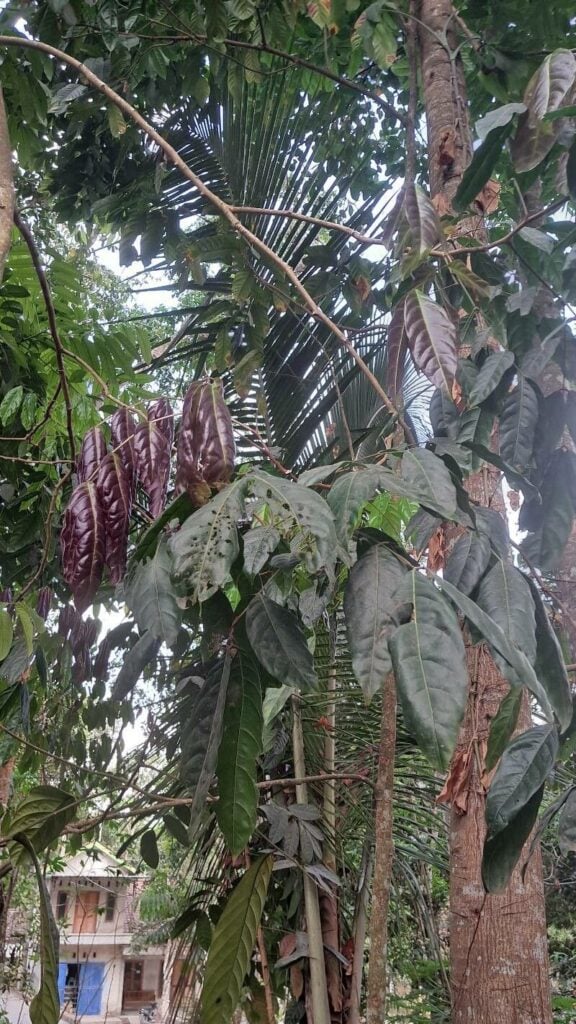
Unlocking the Secrets of the Jengkol Tree: A Guide to Propagating Archidendron jiringa
The Jengkol tree, scientifically known as Archidendron jiringa, is a Southeast Asian native prized not just for its shade but also for its uniquely flavored beans. Though an acquired taste for some due to its pungent aroma, these beans hold cultural significance and are incorporated into diverse culinary traditions.
If you’re intrigued by this unusual tree and want to try your hand at growing your own, understanding its propagation is key. While it might seem daunting, this guide will unlock the secrets to successfully cultivating Archidendron jiringa using two primary methods:
1. Seeds: A Journey of Patience and Reward
Propagating Jengkol from seed is the most common method, offering a gratifying experience for those who enjoy nurturing a plant from its earliest stage.
Here’s what you need to know:
- Seed Selection: Opt for fresh, mature seeds directly from the pod. Avoid damaged or abnormally small seeds, as these may have compromised viability.
- Seed Preparation: Jengkol seeds possess a hard seed coat that requires softening to encourage germination. Gently scarify the seed coat, creating a small nick or abrasion without damaging the inner embryo. Soaking the seeds in warm water for 24-48 hours further aids in softening.
- Sowing: Plant the seeds about 2-3 cm deep in a well-draining potting mix. Maintaining consistent moisture is crucial for successful germination, which typically takes several weeks to a few months.
- Patience is Key: Don’t be discouraged if your Jengkol seeds take their time to sprout. Maintaining optimal conditions and regular watering is essential during this period.
2. Cuttings: A Faster Route to Established Growth
For those seeking a quicker route, propagating Jengkol through cuttings is a viable alternative.
Follow these steps:
- Selecting the Right Cuttings: Choose healthy, semi-hardwood cuttings from a mature tree during the active growing season. Ideal cuttings are around 15-20 cm long with at least a few nodes.
- Preparing the Cuttings: Remove leaves from the lower third of the cutting to prevent rot. Dipping the cut end in rooting hormone powder can significantly increase the chances of successful rooting.
- Planting the Cuttings: Insert the cuttings into a well-draining rooting medium, ensuring at least one node is buried. Maintaining humidity is crucial for rooting success. Consider covering the cutting with a plastic bag or using a humidity dome.
- Transplanting: Once the cuttings develop a healthy root system, evidenced by new growth, they can be transplanted into individual pots or directly into the ground.
Caring for Your Jengkol Tree:
Regardless of your chosen propagation method, providing optimal care is crucial for your Jengkol’s healthy development:
- Sunlight: Jengkol trees thrive in full sun to partial shade. Ensure your planting location provides ample sunlight for at least 6 hours daily.
- Soil: Well-drained soil is essential to prevent waterlogging and root rot. Amend heavy clay soils with compost or sand to improve drainage.
- Watering: Water regularly, especially during the initial establishment phase. Adjust watering frequency based on your climate and rainfall patterns.
- Fertilizing: Feed your Jengkol tree with a balanced fertilizer a few times a year, especially during the growing season.
Growing your own Archidendron jiringa is a rewarding experience, offering an opportunity to connect with nature and cultivate a culturally significant tree. Whether you choose the patience of seed propagation or the efficiency of cuttings, following these guidelines will set you on a path to enjoying the unique beauty and culinary potential of this remarkable tree.