
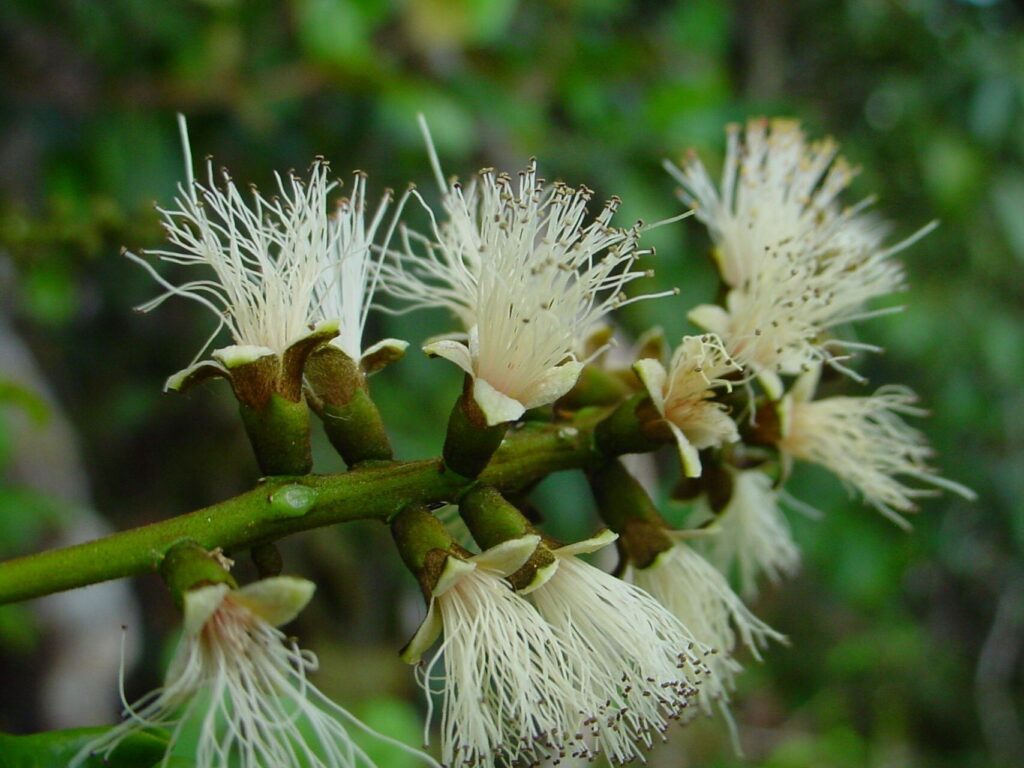
Propagating the Spiral-Podded Wattle: A Gardener’s Guide to Archidendropsis streptocarpa
Introduction
Archidendropsis streptocarpa, commonly known as the spiral-podded wattle, is a captivating tropical tree renowned for its striking, spirally coiled seed pods. This visually stunning feature, alongside its attractive foliage and potential for use in landscaping, has garnered it increasing popularity among gardeners. However, the propagation of Archidendropsis streptocarpa presents unique challenges. Its relatively limited cultivation outside its native range means information on its propagation is scarce, making success all the more rewarding. This article explores various propagation methods, highlighting their viability and offering practical advice.
Seed Germination
Seed germination is a viable, albeit challenging, method for propagating Archidendropsis streptocarpa. Fresh seeds offer the best chance of success. The primary challenge lies in the seed coat’s hardness, which can hinder water absorption and germination.
Challenges: Hard seed coat, potential for fungal diseases during germination.
Practical Tips:
- Scarification: Use mechanical scarification (carefully nicking the seed coat with a file or knife) or chemical scarification (soaking in concentrated sulfuric acid for a short period – proceed with extreme caution and follow safety guidelines). This weakens the seed coat, aiding germination.
- Soaking: Pre-soaking seeds in warm water for 24-48 hours before sowing can improve imbibition.
- Sowing: Sow seeds in a well-draining seed-starting mix. Maintain consistently moist (but not waterlogged) conditions and warm temperatures (25-30°C).
- Protection: Shield seedlings from direct sunlight and pests.
Rewards: Genetic diversity within the resulting plants, potential for large-scale propagation.
Cuttings
Currently, there are no known reliable methods for propagation of Archidendropsis streptocarpa via cuttings. Further research is needed to determine the viability of this approach, including testing various hormone treatments and rooting media.
Division
Division is not a practical method for propagating Archidendropsis streptocarpa as it’s a tree and lacks the rhizomatous or clumping growth habit suitable for division.
Tissue Culture
Tissue culture offers potential for large-scale propagation of Archidendropsis streptocarpa, bypassing the challenges associated with seed germination and cuttings. However, this method requires specialized equipment and expertise, making it unsuitable for the average home gardener.
Challenges: This method requires a sterile laboratory environment, specialized media, and skilled technicians. Costs can be significant.
Practical Tips: (Only applicable if attempting in a laboratory setting): Establish aseptic conditions to prevent contamination. Use suitable growth media and hormones optimized for Archidendropsis streptocarpa.
Rewards: Large-scale propagation of genetically uniform plants, potential for disease-free stock.
Conclusion
Propagating Archidendropsis streptocarpa presents a unique blend of challenges and rewards. Seed germination, while viable, requires patience and careful technique to overcome the hard seed coat. Cuttings and division are not currently practical methods. Tissue culture presents a viable, albeit costly and technically demanding option. The inherent difficulties in propagation only amplify the satisfaction of successfully cultivating this stunning tree. The spiral-podded wattle, with its intriguing seed pods and attractive foliage, is a rewarding project for dedicated propagators willing to invest the time and effort. Don’t be discouraged by initial setbacks; experimentation and persistence are key to success. Remember to always source seeds or plant material responsibly to avoid contributing to over-exploitation of wild populations.