
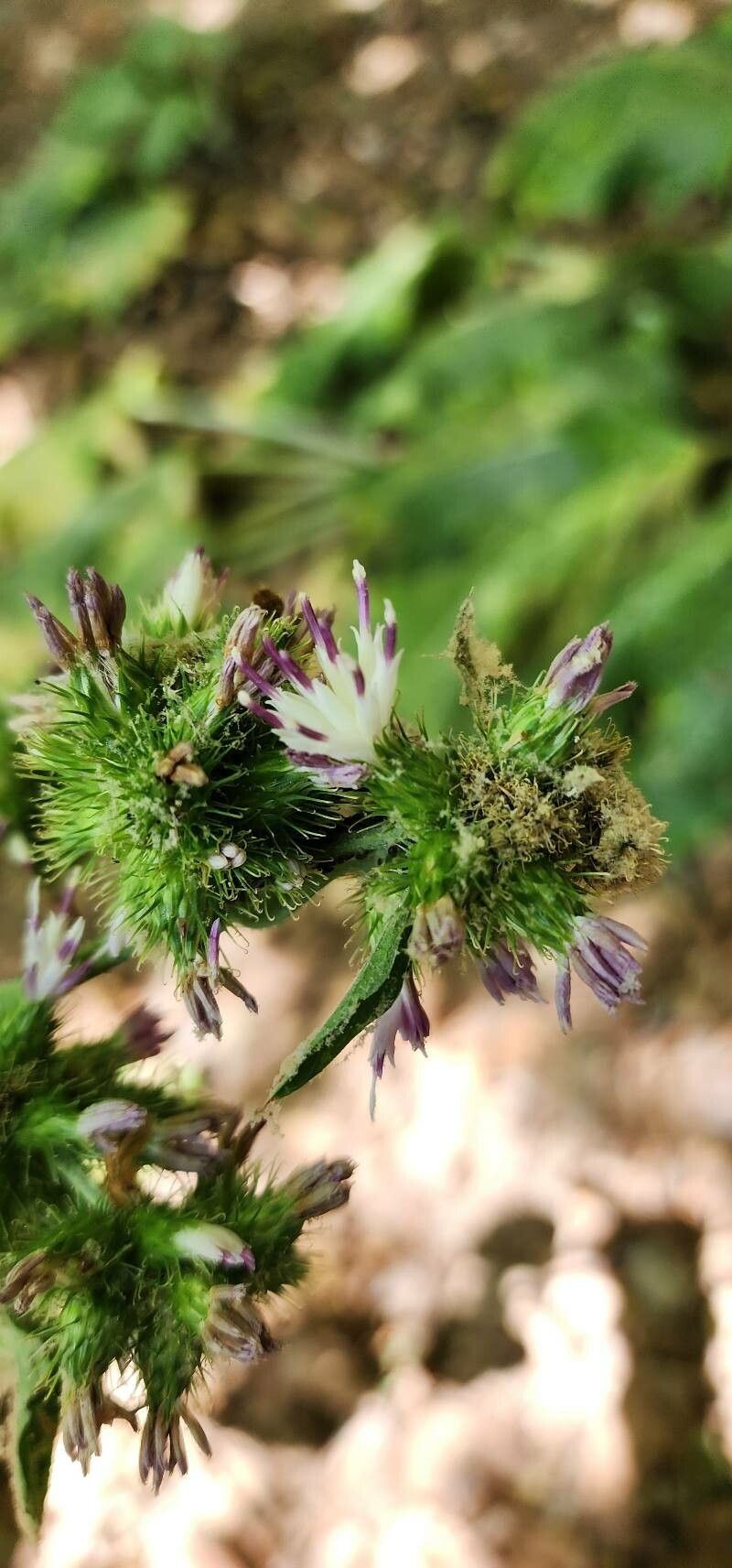
Propagating Arctium amplissimum: A Gardener’s Guide to the Great Burdock
Introduction:
Arctium amplissimum, commonly known as Great Burdock, is a striking biennial or short-lived perennial belonging to the Asteraceae family. Characterized by its impressively large leaves, robust stature, and distinctive burrs, it holds a certain appeal for gardeners interested in unusual and dramatic plants. Its medicinal properties and historical significance also add to its allure. However, propagation can present certain challenges, making successful cultivation a rewarding achievement. This article explores various propagation methods for Arctium amplissimum, outlining both the difficulties and the joys of bringing this fascinating plant to life.
Seed Germination:
Seed germination is a viable method for propagating Arctium amplissimum. However, it presents some challenges. Great Burdock seeds possess a hard seed coat which can inhibit germination. This necessitates a period of stratification – cold, moist treatment – to break dormancy.
Challenges: Hard seed coat, slow germination rate.
Practical Tips: Scarification (nicking the seed coat) combined with cold stratification (3-4 months at temperatures around 4°C/39°F) significantly improves germination rates. Sow seeds directly outdoors in autumn or stratify seeds indoors before spring sowing. Maintain consistently moist soil but avoid waterlogging.
Rewards: High genetic diversity amongst offspring leading to variation in plant size and vigor, making it a cost-effective method to obtain substantial numbers of plants.
Cuttings:
Currently, there are no known reliable methods for propagation of Arctium amplissimum via cuttings. The plant’s robust, thick stems are not readily amenable to rooting from cuttings.
Division:
Division is a potentially viable method, particularly for established plants.
Challenges: Requires a well-established mature plant, causing some disturbance to the main plant. Timing is crucial and should be done during dormant period.
Practical Tips: Divide the root crown carefully in early spring or autumn, ensuring each section has adequate roots and shoots. Replant immediately, ensuring they have adequate moisture and well-drained soil.
Rewards: Faster establishment compared to seed propagation, as the divided sections generally have an active root system and ready-to-grow buds. Permits clonal propagation maintaining the desirable traits of mother plants.
Tissue Culture:
While potentially feasible, tissue culture propagation of Arctium amplissimum is not a commonly practiced method. It would require specialized laboratory equipment and expertise, making it inaccessible to most home gardeners.
Challenges: Requires specialized knowledge, equipment, and sterile laboratory conditions. Establishing a suitable protocol may require significant experimentation.
Practical Tips: This method is best left to research institutions or specialized nurseries.
Rewards: Large-scale propagation is possible, allowing for disease-free stock production.
Conclusion:
Propagating Arctium amplissimum presents a unique set of challenges depending on the chosen method. Seed germination, although feasible, requires patience and careful stratification, while division offers a faster but more invasive approach. Cuttings and tissue culture are currently not considered viable options for the home gardener. However, the rewards of successfully cultivating this magnificent plant—from the satisfaction of witnessing germination to the sheer joy of nurturing a thriving Great Burdock—far outweigh the difficulties. For aspiring propagators, we recommend starting with seed germination, understanding the importance of stratification, and proceeding slowly and carefully to enjoy the complete cycle from seed to mature plant. The unique personality of each plant, along with its impressive size and unusual characteristics, make the effort profoundly rewarding.