
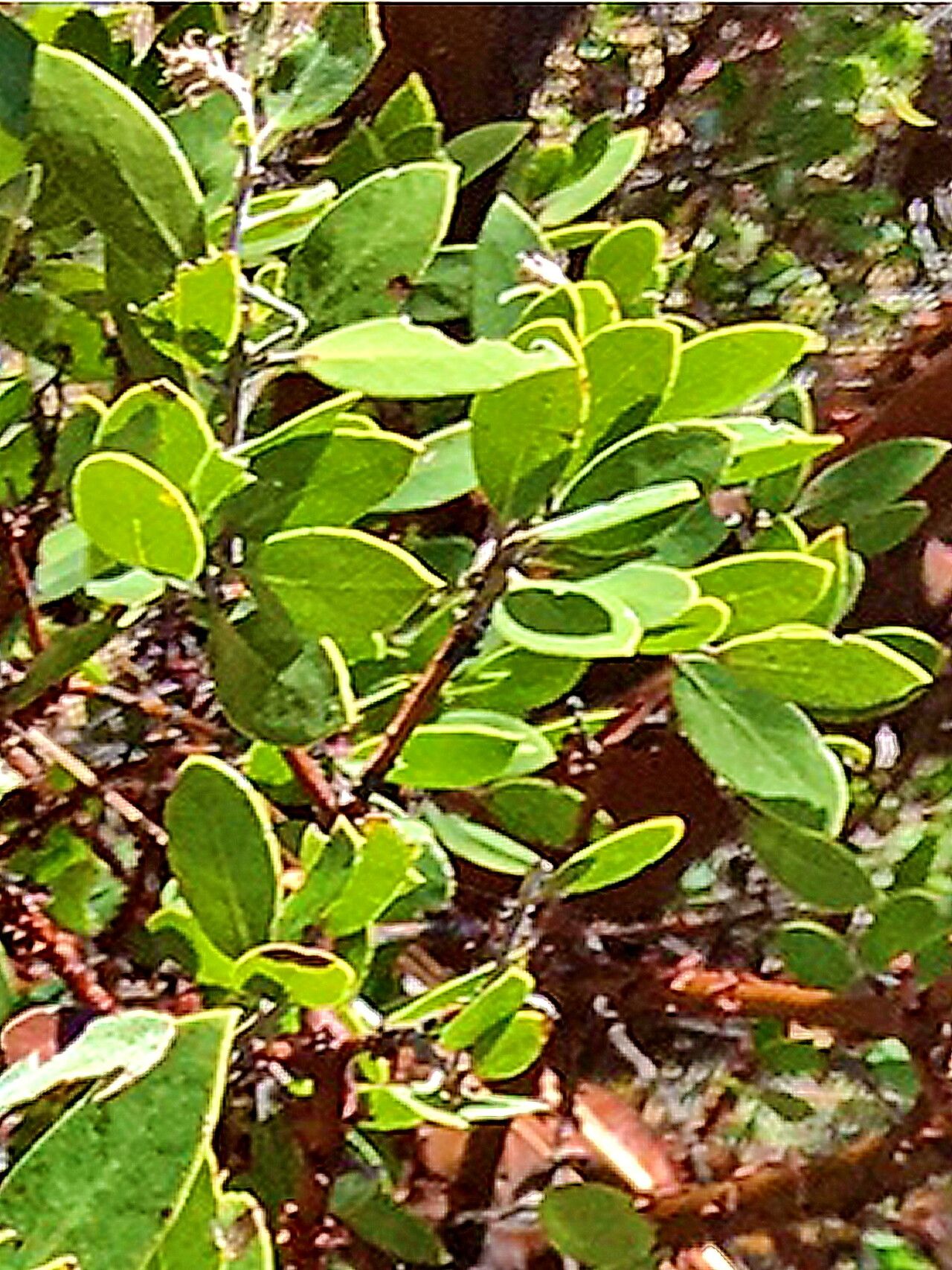
Propagating Manzanita (Arctostaphylos pungens): A Gardener’s Guide
Introduction:
Arctostaphylos pungens, commonly known as Point Reyes Manzanita, is a captivating evergreen shrub prized for its striking, sharply pointed leaves, attractive bark, and delicate, urn-shaped flowers that bloom in winter and spring. This drought-tolerant native of California’s coastal bluffs and grasslands adds a unique textural element to gardens, making it a popular choice among landscape enthusiasts. Its challenging propagation, however, adds to the esteemed status of successfully cultivating this plant. The unique characteristics of Arctostaphylos pungens, particularly its relatively slow growth and specific environmental needs, necessitate a careful approach to propagation.
Seed Germination:
Seed germination of Arctostaphylos pungens is possible, but it presents significant challenges. The seeds possess a hard seed coat which requires stratification to break dormancy. This process involves simulating natural winter conditions.
Challenges: Low germination rates, even with stratification, are common. The timing and duration of stratification need to be carefully controlled, as overly long periods can be detrimental.
Practical Tips: Collect seeds as soon as the berries are ripe but before they’re fully dried. Thoroughly clean the seeds to remove pulp. Stratify seeds by mixing them with moist peat moss or vermiculite and storing in a refrigerator (around 3-5°C) for 2-3 months. After stratification, sow seeds in well-drained, slightly acidic soil, barely covering them. Keep the soil consistently moist but not waterlogged. Germination can take several weeks, or even months.
Rewards: Successful germination offers access to high levels of genetic diversity, allowing for propagation of a wide range of genotypes. This also allows for large-scale propagation should suitable conditions and skilled attention be provided.
Cuttings:
Challenges: Hardwood cuttings of Arctostaphylos pungens are notoriously difficult to root. The success rate is low due to the plant’s inherent resistance to vegetative propagation and slow root development.
Practical Tips: Take semi-hardwood cuttings in late summer or early autumn from non-flowering stems. Dip cuttings in rooting hormone and plant them in a well-draining rooting medium. Provide bottom heat and maintain high humidity. Even with the most optimized conditions, rooting takes a considerable amount of time and is seldom successful without the use of specialized equipment.
Rewards: While challenging, successful rooting via cuttings allows for near-identical clones of a parent plant, preserving desirable traits.
Division:
Division is generally not a viable method for propagating Arctostaphylos pungens. The plant’s root system is deep and fibrous, making it difficult to divide effectively without severely damaging the plant. Attempts to use division often lead to death of both the parent plant and any divisions.
Tissue Culture:
Challenges: Tissue culture propagation of Arctostaphylos pungens requires specialized equipment, sterile conditions, and expertise in plant tissue culture techniques. Establishing aseptic cultures can be difficult, and optimal growth media and hormonal formulations need to be carefully determined.
Practical Tips: While generally not an amateur endeavor, professional nurseries may use tissue culture to achieve efficient large-scale propagation of Arctostaphylos pungens clones.
Rewards: Successful tissue culture promises high multiplication rates and the potential for rapid propagation of desirable cultivars.
Conclusion:
Propagating Arctostaphylos pungens presents significant challenges irrespective of the method employed. Seed germination and cuttings offer some possibilities but come with low success rates and require considerable patience and care. Division is generally not recommended. Tissue culture is far more effective but requires proficiency in laboratory techniques. However, the satisfaction derived from cultivating this beautiful and resilient shrub through these challenging methods is immense. Knowing you’ve painstakingly coaxed this slow-growing treasure into existence from seed or cuttings is a testament to your perseverance and a unique thrill only other green thumbs who’ve mastered propagation of this plant can share. Despite the difficulty, for enthusiasts this rewarding challenge is certainly worth the effort. So, embrace the challenge, learn from your experiences, and celebrate the triumphs. The beauty of your successfully propagated Manzanita is a superb reward for your persistence!