
Propagating the Pale Manzanita (Arctostaphylos pallida): A Gardener’s Guide
Introduction:
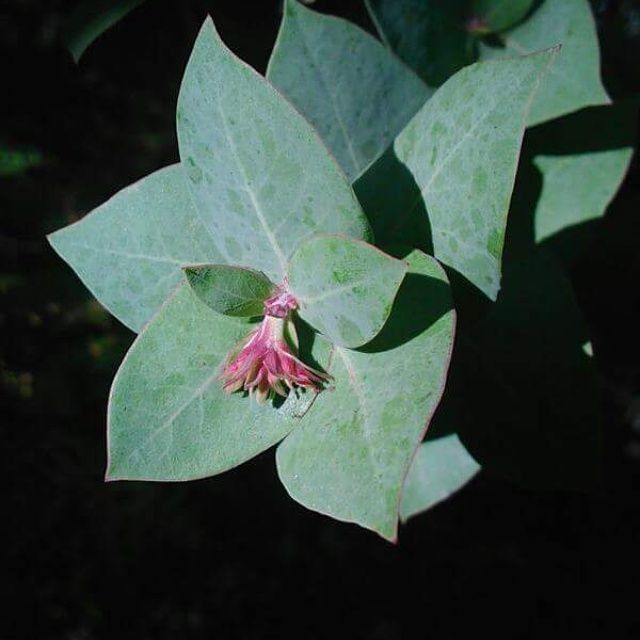
Arctostaphylos pallida, commonly known as the pale manzanita, is a captivating shrub prized for its delicate, pale pink flowers and attractive, peeling bark. Native to California, it’s a popular choice among gardeners seeking drought-tolerant, low-maintenance landscaping options. Its adaptability and stunning visual appeal make it a desirable addition to many gardens, leading to a significant interest in effective propagation methods. However, propagating pale manzanita presents unique challenges compared to other plants, requiring patience and a keen understanding of its specific needs.
Seed Germination:
Currently, there are no known reliable methods for seed germination propagation of Arctostaphylos pallida. While seeds are produced, germination rates are exceptionally low, and even with pre-treatment techniques, consistent success remains elusive. The hard seed coat and potential dormancy mechanisms appear to be significant hurdles.
Cuttings:
Cuttings offer a more reliable method for propagating Arctostaphylos pallida than seed germination.
Challenges: Success with cuttings depends heavily on timing and technique. Hardwood cuttings taken in late fall or winter generally yield better results than softwood cuttings. The slow rooting process requires patience and careful attention to moisture levels to prevent rot.
Practical Tips: Use semi-hardwood cuttings, approximately 4-6 inches long, taken from non-flowering stems. Remove lower leaves, dip the cut end in rooting hormone, and plant in a well-draining propagating mix (e.g., perlite and peat moss). Maintain consistently moist but not soggy conditions, ideally under a humidity dome or misting system. Rooting can take several months.
- Rewards: Cuttings offer a quicker route to a mature plant compared to seed germination, preserving the genetic characteristics of the parent plant. This method is ideal for smaller-scale propagation and maintaining specific cultivars.
Division:
Division is generally not a practical method for propagating Arctostaphylos pallida. The plant’s root system is typically quite extensive, and attempting to divide it often results in plant damage and reduced success rates.
Tissue Culture:
Tissue culture presents a potential, though technically challenging, method for propagating Arctostaphylos pallida.
Challenges: Establishing a sterile tissue culture environment and finding the optimal media and growth regulators for this species requires specialized knowledge and equipment. This method is expensive and labor-intensive.
Practical Tips: Specialized laboratories equipped for plant tissue culture are required. Protocols would need to be developed specific to Arctostaphylos pallida, using appropriate growth hormones and media to stimulate shoot and root development.
- Rewards: This offers the potential for rapid and large-scale propagation, allowing for the production of many genetically identical plants, useful for commercial purposes or conservation efforts.
Conclusion:
Propagating Arctostaphylos pallida presents unique difficulties. While seed germination is currently unreliable, cuttings offer a viable, albeit time-consuming, method for the home gardener. Tissue culture holds significant potential for large-scale propagation, but demands specialized skills and resources. The lack of other successful methods highlights the challenges in working with this species.
However, the rewards of successfully cultivating a pale manzanita from a cutting or through tissue culture make the effort worthwhile. The satisfaction of nurturing a plant from a small cutting into a magnificent, flowering specimen is a deeply rewarding experience that underscores the beauty and resilience of nature. For aspiring propagators, patience, attention to detail, and a willingness to experiment are key to achieving success with this remarkable plant. Don’t be discouraged by setbacks; the journey itself is part of the learning process.