
Propagating Manzanita: A Gardener’s Guide to Arctostaphylos manzanita
Introduction:
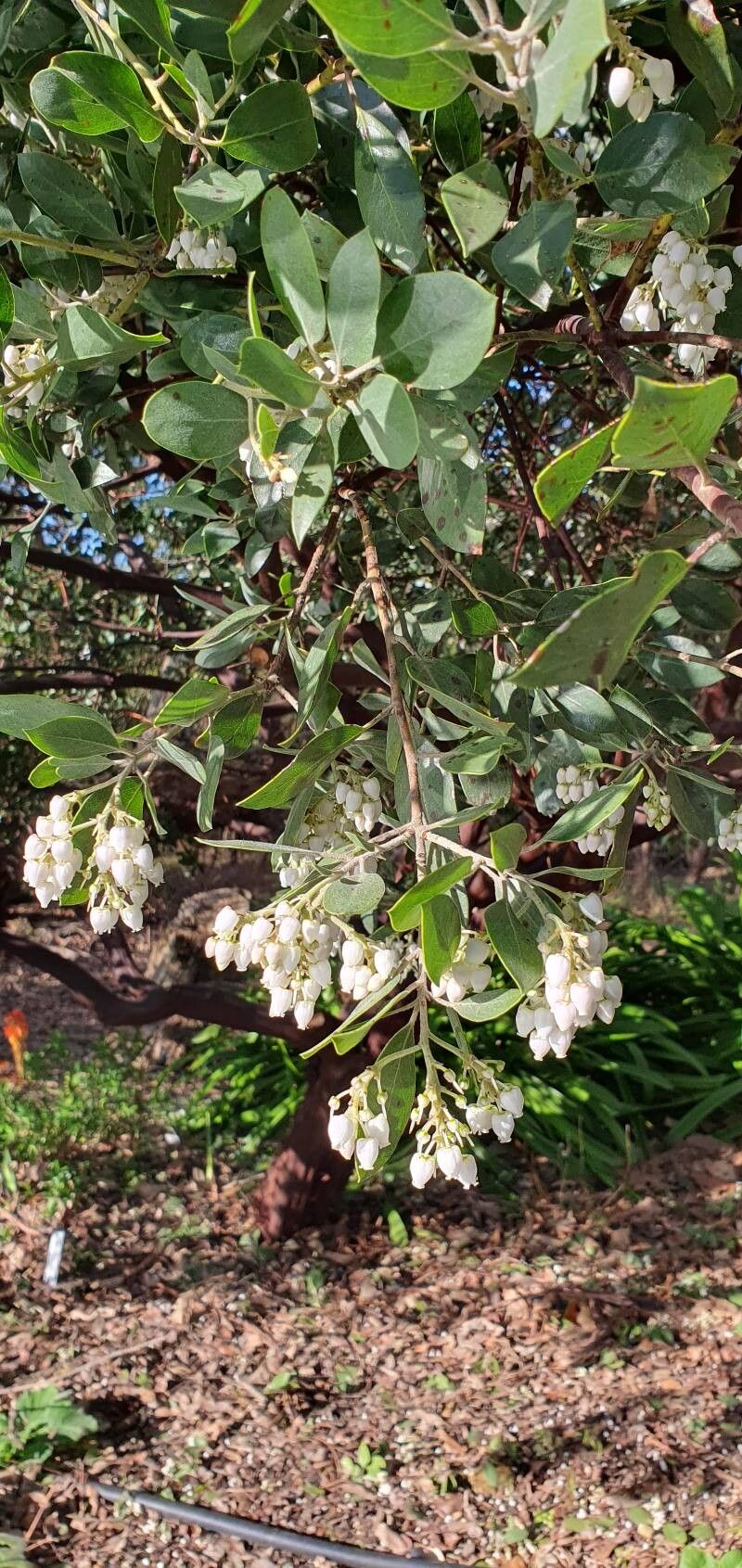
Arctostaphylos manzanita, commonly known as manzanita, is a prized shrub renowned for its striking, smooth reddish-brown bark, delicate evergreen foliage, and beautiful urn-shaped flowers. Native to western North America, its drought tolerance and aesthetic appeal have made it a highly sought-after plant in gardens, especially in xeriscaping and California-style landscaping. However, propagation of manzanita can prove challenging due to its specific germination and rooting requirements. This article explores various propagation methods, highlighting their viability and practical applications.
Seed Germination:
Seed germination is a viable, albeit challenging, method for propagating Arctostaphylos manzanita. The primary hurdle is seed dormancy. Manzanita seeds possess a hard seed coat that inhibits water uptake, requiring a process called stratification before germination can occur.
Challenges: Low germination rates are common even with proper stratification.
Practical Tips: Stratification involves mimicking the natural conditions the seeds would experience over winter. This typically involves a cold-moist stratification period of several months (e.g., 3-6 months) at temperatures around 35-40°F (2-4°C). Seeds should be sown in a well-draining seed-starting mix, kept consistently moist but not waterlogged, and then exposed to warmer temperatures (65-75°F or 18-24°C) following stratification. Scarification (lightly nicking the seed coat) can also improve germination success.
Rewards: Seed propagation offers the highest degree of genetic diversity, allowing for the cultivation of a wider range of manzanita varieties. It also has the potential for large-scale propagation if germination rates can be optimized.
Cuttings:
Cuttings are a more reliable method for propagating manzanita than seed germination. However, success depends on careful technique and timing.
Challenges: Manzanita cuttings can be slow to root, and their success rate can be variable depending on the variety, the age and health of the parent plant, and the rooting medium used.
Practical Tips: Semi-hardwood cuttings taken in late summer or early fall are generally the most successful. These cuttings, approximately 4-6 inches long, should be taken from the current season’s growth. Use a rooting hormone to aid root development and plant in a well-draining mix, such as perlite and peat moss. High humidity is crucial; a humidity dome or propagation chamber can significantly increase success rates.
Rewards: Cuttings offer a faster propagation time compared to seed, and they preserve the specific characteristics of the parent plant, ensuring uniformity in the propagated plants.
Division:
Division is only feasible for established manzanita plants with multiple stems originating from a central root system. It is not a common method for propagation.
Challenges: Manzanita’s root system is often extensive and fragile, making division difficult and potentially damaging to the parent plant and the divisions.
Practical Tips: Division should be performed during the dormant season, ideally in late fall or early winter. The separated divisions must be carefully handled and planted immediately in a suitable location with well-drained soil.
Rewards: Division is a relatively quick method, producing almost immediate mature plants. However, the limited applicability of this method reduces its overall significance.
Tissue Culture:
While technically possible, tissue culture propagation of Arctostaphylos manzanita is not commonly practiced by home gardeners due to the specialized equipment, sterile conditions, and technical expertise required.
Challenges: Establishing reliable protocols for manzanita tissue culture is complex and requires significant research and development.
Practical Tips: This method requires a controlled laboratory environment and specialized expertise, it’s not a feasible option for the average gardener.
Rewards: Tissue culture offers the potential for mass propagation of disease-free plants whilst retaining genetic consistency.
Conclusion:
Propagating Arctostaphylos manzanita presents unique challenges across all methods. Seed propagation offers the reward of genetic diversity but is hampered by low germination rates. Cuttings provide a more reliable method, but require patience and attention to detail. Division is limited by the plant’s rooting habit. Tissue culture holds great potential but necessitates specialized expertise and resources.
Despite the difficulties, the satisfaction of successfully cultivating this beautiful shrub is immense. The rewarding feeling of nurturing a tiny cutting into a thriving manzanita, or even coaxing seeds to germinate, is a testament to the gardener’s dedication and perseverance. Focusing on cuttings as a primary propagation method, coupled with patience and the right techniques, is the most accessible and reliable route for most aspiring manzanita propagators. With careful attention to detail, you too can enjoy the beauty of these unique plants in your garden.