
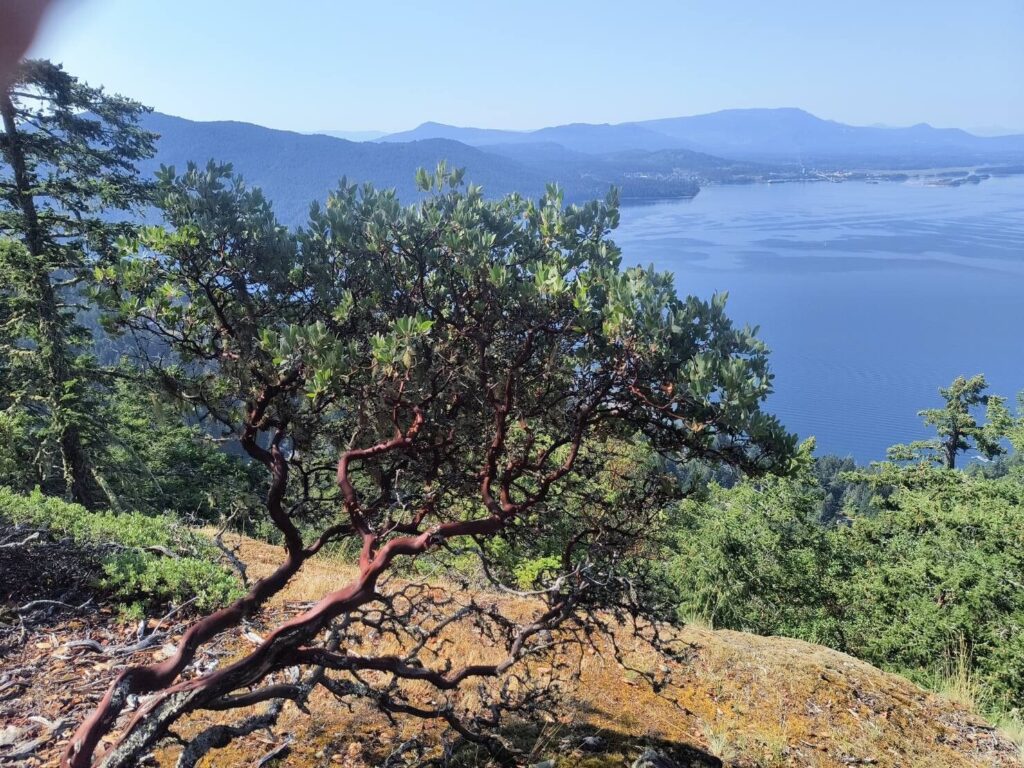
Propagating Arctostaphylos columbiana: The Challenges and Rewards of Cultivating Coastal Manzanita
Arctostaphylos columbiana, commonly known as Coastal Manzanita, is a captivating evergreen shrub prized for its graceful, arching branches adorned with smooth, leathery leaves and clusters of delicate, urn-shaped flowers. Native to the coastal regions of western North America, its beauty and drought tolerance have made it increasingly popular among gardeners seeking low-maintenance, aesthetically pleasing landscaping options. However, propagating this desirable plant presents unique challenges. This article explores various propagation methods, weighing their efficacy and outlining the intricacies involved.
Seed Germination:
Currently, there are no known reliable methods for seed germination propagation of Arctostaphylos columbiana. While seeds may be produced, germination rates are exceptionally low, and even with pre-treatment methods like stratification (a period of cold, moist storage to mimic winter conditions), success remains inconsistent and largely unpredictable. The dormancy mechanisms of Coastal Manzanita seeds are poorly understood, contributing to the difficulty of achieving germination.
Cuttings:
Cuttings offer a more viable method for propagating Arctostaphylos columbiana than seed germination. However, success still requires careful technique and patience.
Challenges: Rooting cuttings can be slow and only a small percentage typically succeed. The use of rooting hormone is highly recommended. The optimal time for taking cuttings is late summer or early autumn.
Practical Tips: Use semi-hardwood cuttings (taken from new growth that has begun to harden) of approximately 4-6 inches in length. Remove lower leaves to prevent rot. Dip the cut ends in rooting hormone and plant them in a well-draining propagation mix (e.g., perlite and peat moss). Maintain consistently moist (but not wet) conditions and high humidity, perhaps using a humidity dome or propagator.
Rewards: Genetically identical plants to the parent plant are produced, ensuring the preservation of desirable traits. This method is suitable for smaller-scale propagation.
Division:
Division is a feasible method, though limited by the plant’s growth habit.
Challenges: Coastal Manzanita doesn’t readily lend itself to division. The root system is often quite extensive and fragile, making it difficult to separate without causing significant damage. Larger, established plants are better candidates, but even with care, successful division is not guaranteed.
Practical Tips: Division is best attempted in early spring or fall. Carefully dig up the plant, attempting to separate it into sections with established root systems. Replant the divisions immediately in well-draining soil.
Rewards: This method allows for quicker establishment of new plants compared to cuttings.
Tissue Culture:
Tissue culture is a potentially promising method for large-scale propagation of Arctostaphylos columbiana, but it’s complex and requires specialized equipment and expertise.
Challenges: Establishing aseptic conditions and developing suitable culture media for Coastal Manzanita requires considerable knowledge and experience in plant tissue culture techniques. This method is not feasible for amateur propagators and necessitates specialized laboratory environments.
Practical Tips: While specific protocols for Arctostaphylos columbiana are not widely published, research into methods used for other Arctostaphylos species could provide a starting point.
Rewards: The potential for large-scale, rapid propagation of disease-free plants is the significant advantage.
Conclusion:
Propagating Arctostaphylos columbiana presents unique difficulties across all methods. Seed germination is currently unreliable. Cuttings offer a more practical approach for home gardeners, but patience and attention to detail are crucial. Division is limited and requires expertise, while tissue culture is a sophisticated technique best suited for commercial nurseries. Despite the challenges, the rewards of successfully cultivating this stunning native plant are immense. The unique satisfaction lies not only in the beauty of the mature plant but also in overcoming the hurdles involved in its propagation. For those willing to invest time and effort, mastering the propagation of Coastal Manzanita is a testament to horticultural skill and a rewarding experience. Begin with cuttings, employing diligent care and attention. Embrace the challenge – the beauty of your successfully grown Coastal Manzanita will make it all worthwhile.