
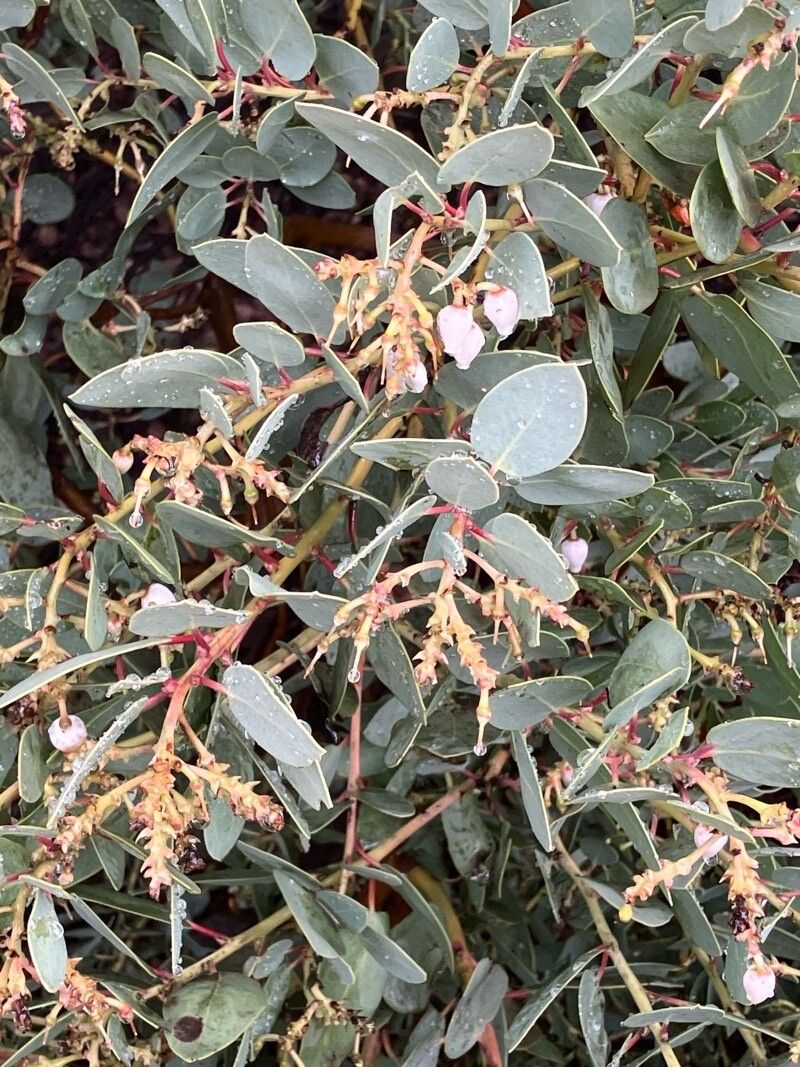
Unlocking the Secrets of Manzanita Propagation: How to Grow Arctostaphylos mewukka
The Manzanita, with its smooth, reddish-brown bark and graceful, evergreen branches, is a beloved sight across the Western United States. But did you know that one particular species, the Arctostaphylos mewukka (commonly known as Indian manzanita), can be propagated at home, allowing you to cultivate this iconic plant in your own backyard?
While notoriously tricky, propagating Arctostaphylos mewukka is a rewarding challenge for patient gardeners. This guide will walk you through two primary methods:
1. Seed Propagation: A Journey of Patience
- Collecting Seeds: Manzanita flowers produce small, apple-shaped fruits that contain the seeds. Collect ripe, dry fruits in the fall. You can remove the outer pulp, but it’s not strictly necessary.
- Stratification: Arctostaphylos mewukka seeds require a period of cold, moist stratification to break dormancy. Mix the seeds with moist vermiculite or sand, place them in a sealed plastic bag, and store them in the refrigerator (around 40°F) for 60-90 days.
- Sowing: In spring, sow the stratified seeds in seed trays filled with a well-draining seed-starting mix. Cover the seeds lightly with soil and mist them regularly to keep the soil moist but not soggy.
- Patience: Germination can take several weeks or even months. Be patient and continue to provide consistent moisture and indirect sunlight.
2. Cutting Propagation: A Faster, More Hands-On Approach:
- Timing is Key: Take cuttings from healthy, new growth in late spring or early summer. Look for stems that are somewhat firm but still flexible.
- Taking the Cutting: Use a sharp, sterilized knife or pruning shears to cut a 4-6 inch section of stem just below a node (the point where a leaf attaches). Remove the lower leaves, leaving only 2-3 leaves at the top.
- Hormone Boost (Optional): While not essential, dipping the cut end in rooting hormone can significantly improve success rates.
- Planting the Cutting: Insert the cutting into a pot filled with a well-draining rooting mix. Maintain a warm, humid environment by covering the pot with a plastic bag or placing it in a propagation dome.
- Rooting and Beyond: Keep the soil consistently moist but not waterlogged. It can take several weeks for roots to develop. Once you see new growth, you can begin to acclimate the cutting to outdoor conditions gradually.
Important Considerations for Success:
- Well-Draining Soil: Arctostaphylos mewukka, like all manzanitas, is highly susceptible to root rot. Ensure excellent drainage by using a chunky, fast-draining soil mix and avoid overwatering.
- Sunlight Is Essential: Manzanitas thrive in sunny locations. Provide at least 6 hours of direct sunlight per day for optimal growth.
- Be Patient!: Propagation can be a slow process, especially from seed. Don’t be discouraged if you don’t see immediate results. With proper care and attention, you can enjoy the beauty of Arctostaphylos mewukka in your own landscape for years to come!
By understanding the specific needs of this unique plant, you too can unlock the secrets of propagating Arctostaphylos mewukka and contribute to the preservation of this stunning native species. So why not embrace the challenge and bring a touch of the wild into your garden?