
Unlocking the Secrets of Corydalis Decumbens Propagation: A Guide to Multiplying Your Floral Gems
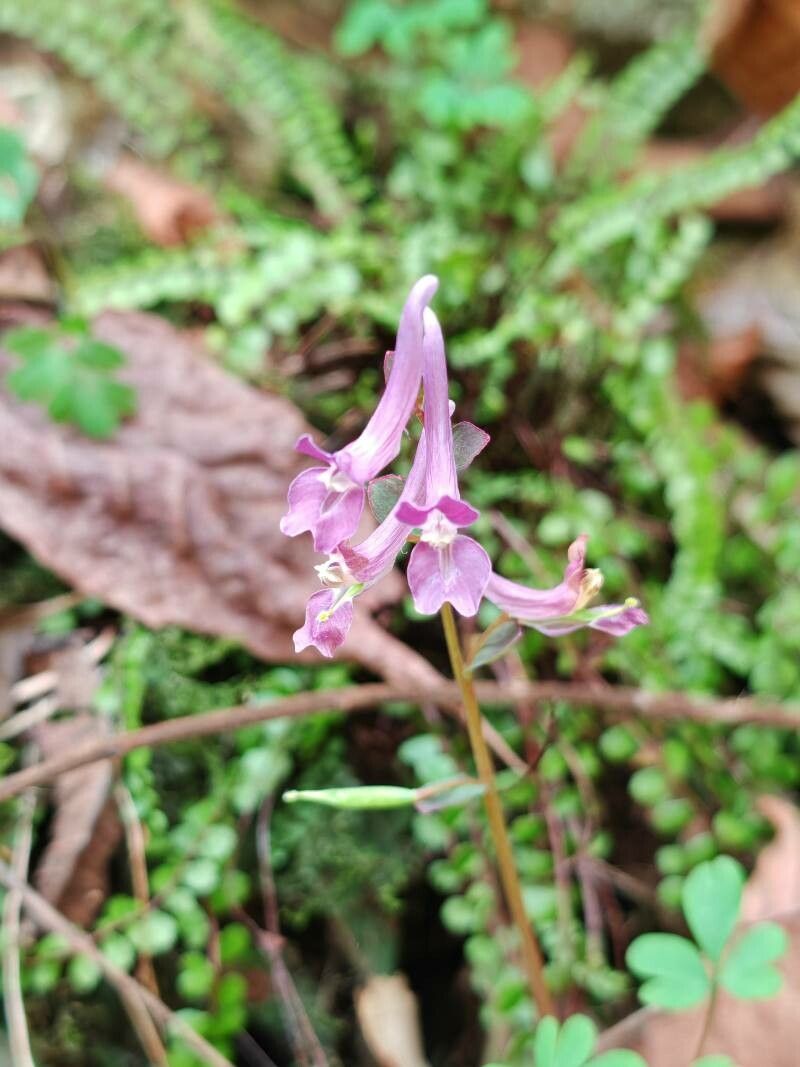
Corydalis decumbens, with its charming, nodding blooms and delicate foliage, brings a touch of whimsical beauty to any garden. This enchanting plant, native to woodlands and rocky slopes of Japan, might seem delicate, but don’t be fooled! Propagating Corydalis decumbens is surprisingly achievable, even for budding gardeners.
This comprehensive guide will delve into the two most effective methods for multiplying your Corydalis decumbens:
1. Seed Propagation:
This method requires a touch of patience, but the reward is a bounty of new plants. Here’s how:
- Seed Collection: As your Corydalis decumbens finishes blooming, keep a watchful eye out for the formation of small, elongated seed pods. Once these pods turn brown and dry, carefully collect them before they burst open.
- Seed Preparation: Gently crack open the pods to reveal the small, black seeds within. To maximize germination rates, subject the seeds to a period of cold stratification. Place them in a sealed bag with damp vermiculite or sand, and store them in your refrigerator (around 4°C) for 4-6 weeks.
- Sowing: After stratification, sow the seeds in seed trays or pots filled with a well-draining seed starting mix. Lightly press the seeds onto the surface and cover them with a thin layer of vermiculite or fine compost.
- Cultivation: Place the trays or pots in a bright location, out of direct sunlight. Keep the soil consistently moist but not waterlogged. Germination usually takes 2-4 weeks.
- Transplanting: Once the seedlings develop a couple of sets of true leaves, transplant them into individual pots or directly into your garden after the last frost. Choose a location with partial shade and well-drained, humus-rich soil.
2. Division:
For a quicker and more immediate increase in your Corydalis decumbens collection, division is the way to go.
- Timing is Key: The ideal time for division is in early spring, just as new growth emerges.
- Careful Extraction: Gently dig up the clump of Corydalis decumbens you wish to divide. Use a garden fork, inserting it a few inches away from the base of the plant to minimize root disturbance.
- Division Technique: Carefully shake off excess soil and examine the clump. Using your hands or a sharp, clean knife, divide the plant into smaller sections, ensuring each section has a healthy portion of roots and shoots.
- Replanting: Replant the divisions immediately in their desired locations, spacing them about 12 inches apart. Water them in thoroughly.
Tips for Success:
- Well-Drained Soil is Crucial: Corydalis decumbens thrives in moist but well-drained soil. Amend heavy clay soils with organic matter to improve drainage.
- Embrace the Shade: While Corydalis decumbens can tolerate some morning sun, it thrives in partial to full shade conditions.
- Water Wisely: Water regularly during the growing season, especially during dry spells, but avoid overwatering.
- Provide Support: While not strictly necessary, you can provide some support for the delicate flower stems, especially in windy areas.
Propagating Corydalis decumbens might seem like a delicate dance, but with a bit of care and attention, you’ll be rewarded with a flourishing colony of these charming woodland beauties. So why not embrace the challenge and multiply the magic in your garden?