
Unlocking the Secrets: Propagating Bearberry (Arctostaphylos uva-ursi)
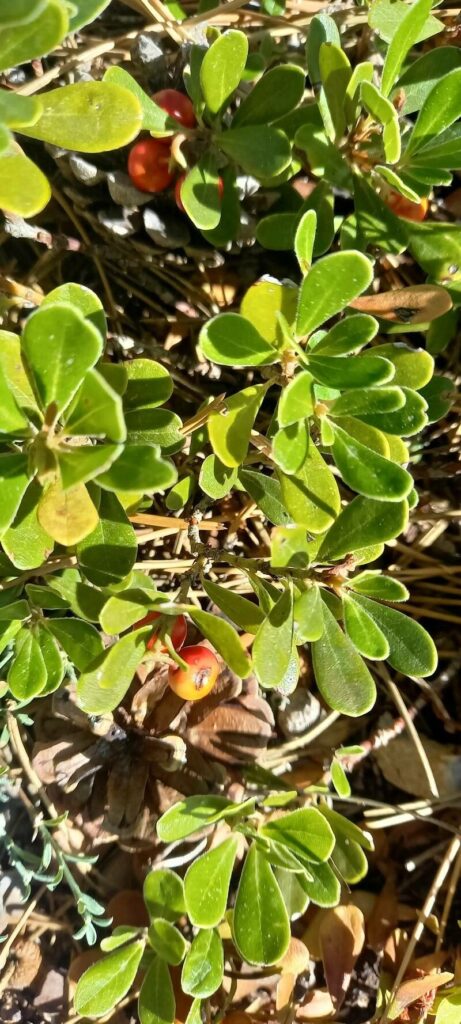
Bearberry (Arctostaphylos uva-ursi), a charming evergreen groundcover, boasts leathery leaves, delicate pink flowers, and vibrant red berries. This hardy plant, also known as Kinnikinnick, isn’t just a feast for the eyes; it has a rich history of medicinal use and plays a vital role in its native ecosystem. If you’re looking to invite this resilient beauty into your garden, you might be surprised to learn that propagating bearberry, while requiring patience, can be a rewarding endeavor.
Going the Distance: Propagating from Seed
Bearberry seeds are notoriously slow to germinate, but with persistence, success can be yours! Here’s how:
- Collection and Stratification: Collect ripe berries in the fall and extract the seeds. These seeds need a period of cold stratification to mimic natural winter conditions. Mix them with moist sand or peat moss and store them in the refrigerator (around 40°F) for 90-120 days.
- Sowing the Seeds: In spring, sow the stratified seeds in seed trays filled with well-draining potting mix. Surface sow, pressing them lightly into the soil and barely covering them.
- Patience is Key: Keep the soil consistently moist but not soggy. Germination is erratic and can take anywhere from a few weeks to several months.
Taking the Scenic Route: Propagation from Cuttings
While slower than seed propagation, cuttings offer a higher success rate and ensure your new plants will have the same characteristics as the parent plant.
- Timing is Everything: The best time for taking cuttings is in late spring or early summer from new growth.
- Taking the Cutting: Use a sharp, sterile knife or pruning shears to take 4-6 inch cuttings from healthy stems. Remove the lower leaves, leaving 2-3 sets of leaves at the top.
- Encouraging Root Development: Dip the cut end in rooting hormone (optional but beneficial). Plant the cuttings in a pot filled with a mix of peat moss and perlite or a seed starting mix.
- Creating a Humid Environment: Cover the pot with a plastic bag or use a humidity dome to maintain moisture. Place the pot in indirect light.
- Waiting for Roots: Rooting can take several weeks. You’ll know roots have formed when you see new growth. Harden off the cuttings gradually before transplanting them outdoors.
Finding the Perfect Spot and Providing Tender Loving Care
Bearberry thrives in full sun to partial shade and well-drained, acidic soil. Once established, it’s relatively drought tolerant. Here are some additional tips for success:
- Amend heavy clay soils: Incorporate organic matter like peat moss or compost before planting to improve drainage.
- Water deeply but infrequently: Allow the soil to dry out slightly between waterings.
- Fertilize sparingly: Bearberry is a light feeder and doesn’t require heavy fertilization. A light application of a balanced, slow-release fertilizer in spring is sufficient.
With patience and care, you can successfully propagate bearberry and enjoy its beauty and ecological benefits in your own garden. Whether you choose the rewarding challenge of seeds or the slightly quicker route of cuttings, you’ll be playing a role in ensuring this valuable plant thrives for generations to come.