
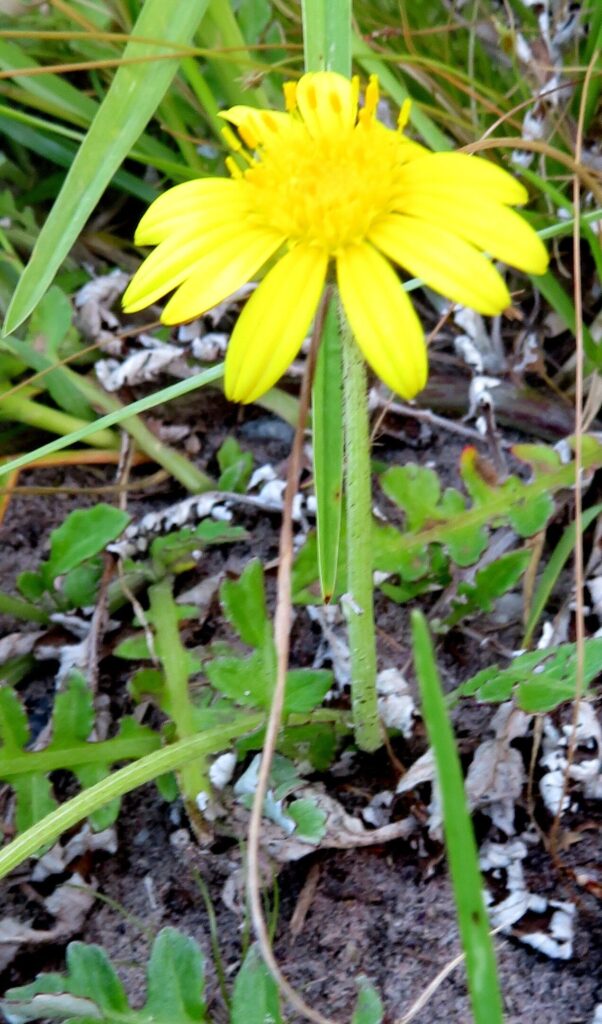
Propagating Arctotheca prostrata: A Guide to Cultivating the Seaside Daisy
Introduction:
Arctotheca prostrata, commonly known as the Seaside Daisy, is a low-growing, spreading perennial boasting cheerful yellow daisy-like flowers. Its tolerance to drought, salt spray, and poor soils makes it a highly popular groundcover among gardeners, particularly in coastal regions or areas with challenging conditions. Its vigorous growth and ability to quickly cover large areas contribute to its horticultural significance. While readily available commercially, propagating Seaside Daisy offers a rewarding challenge and the chance to expand your collection or share this hardy plant. The unique aspects of its propagation lie in its adaptability to several methods, each with its own set of difficulties and triumphs.
Seed Germination:
Seed germination is a viable method for propagating Arctotheca prostrata, although it’s not always entirely reliable.
Challenges: Seed dormancy can be a significant barrier. While some seeds may germinate readily, others may require specific conditions to break dormancy. Furthermore, seedlings can be susceptible to damping-off (fungal disease) if not provided with adequate ventilation and well-draining soil.
Practical Tips: Pre-sowing treatment (stratification) might improve germination rates. This can involve chilling the seeds for several weeks at around 4°C (39°F) before sowing. Sow seeds in a well-draining seed-starting mix, barely covering them with soil, and maintain consistently moist (but not waterlogged) conditions. Ensure good ventilation to prevent fungal growth.
Rewards: Seed propagation offers the greatest potential for genetic diversity, leading to a wider range of plant characteristics. This method is also ideal for large-scale propagation, providing many plants at relatively low cost.
Cuttings:
Cuttings are a highly successful method for propagating Arctotheca prostrata.
Challenges: Taking cuttings requires some skill and attention to detail. The success rate depends on several factors, including the timing of the cuttings (best taken in spring or early summer from healthy, actively growing stems), the use of rooting hormone, and the maintenance of optimal humidity and temperature conditions.
Practical Tips: Take semi-hardwood cuttings of about 10cm (4 inches) in length, removing lower leaves to prevent rotting. Dip the cut ends in rooting hormone and plant in a well-draining propagating mix. Cover the cuttings with a clear plastic bag or propagator to maintain humidity. Keep the mix consistently moist but not saturated.
Rewards: Cuttings offer a rapid and reliable way to produce genetically identical copies of the parent plant, ensuring you maintain desirable characteristics.
Division:
Division is another effective method, especially for established plants.
Challenges: Division is best undertaken in spring or autumn when the plant is actively growing or entering dormancy. Care should be taken to ensure each division has healthy roots and sufficient foliage to support its growth. Damage to the root system can hinder establishment.
Practical Tips: Carefully dig up the mature plant and gently separate it into several smaller sections, each with its own root system and shoots. Replant the divisions in well-prepared soil, ensuring adequate spacing.
Rewards: Division is straightforward, less technically demanding than cuttings or tissue culture, and allows for rapid expansion of a desirable plant.
Tissue Culture:
Currently, there are no widely published or readily accessible methods for tissue culture propagation of Arctotheca prostrata. While theoretically possible, the development of a reliable protocol would require significant horticultural research.
Conclusion:
Propagating Arctotheca prostrata presents a range of options, each with its own set of challenges and rewards. Seed germination, while offering genetic diversity, presents some hurdles in terms of dormancy and seedling care. Cuttings and division provide reliable and relatively straightforward alternatives for producing high-quality plants. While tissue culture remains unexplored for this species, the other approaches assure gardeners ample opportunities to successfully propagate this charming groundcover. The satisfaction of nurturing a small cutting into a vibrant, flowering plant, or coaxing seeds into life, is a reward that transcends the initial difficulties. Don’t be discouraged by setbacks; the persistence of the Seaside Daisy itself should inspire you to persevere in your own propagation efforts.