
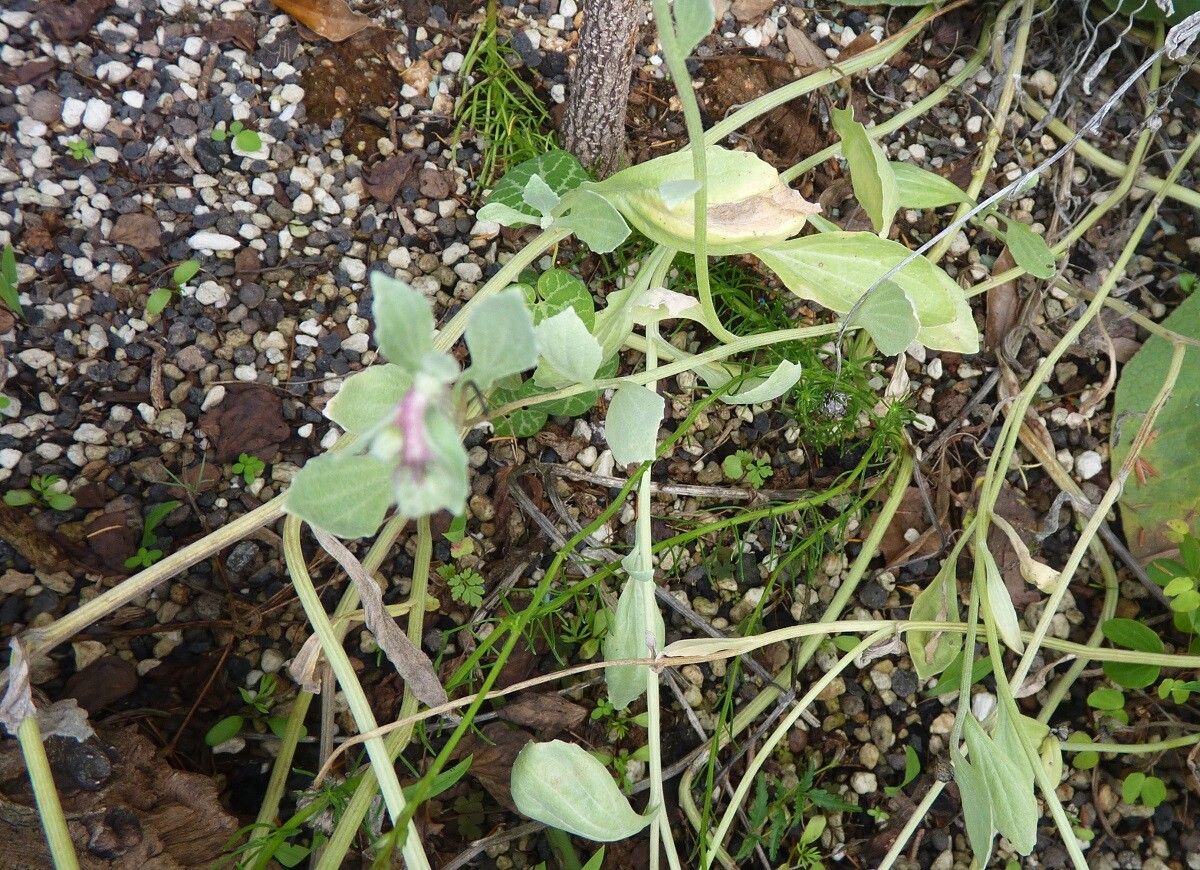
Propagating the Cape Daisy: A Guide to Arctotis venusta
Introduction:
Arctotis venusta, commonly known as the Cape daisy, is a beloved annual or short-lived perennial boasting vibrant, daisy-like flowers in shades of orange, yellow, and white. Its cheerful blooms and relatively low maintenance requirements have earned it a prominent place in gardens worldwide. Its tolerance of drought and poor soils adds to its appeal, but its relatively short lifespan encourages gardeners to explore propagation methods to ensure a continuous display of these stunning flowers. This article explores various techniques for propagating Arctotis venusta, weighing their challenges and rewards.
Seed Germination:
Seed germination is a viable method for propagating Arctotis venusta. However, it presents some challenges. The seeds possess a hard seed coat which can hinder water uptake and germination. Therefore, scarification is often recommended. This can be achieved by gently nicking the seed coat with a sharp knife or rubbing them lightly with sandpaper before sowing.
Challenges: Low germination rates can occur if scarification is not properly executed or if the seeds are not sown under ideal conditions.
Practical Tips: Sow seeds directly outdoors in spring after the last frost or start indoors 6-8 weeks before the last frost. Use a well-draining seed starting mix. Maintain consistently moist (but not soggy) soil and a temperature around 20-25°C (68-77°F). Good light is also essential.
Rewards: Seed propagation offers the potential for high genetic diversity, resulting in a wider range of flower colors and variations, and facilitates large-scale propagation for commercial growers or gardeners wishing to establish a significant number of plants.
Cuttings:
Cuttings are a relatively straightforward method for propagating Arctotis venusta.
Challenges: Success depends on taking cuttings from healthy, actively growing shoots. Root rot can be a problem if the cuttings are kept too wet.
Practical Tips: Take semi-hardwood cuttings (cuttings from stems that are slightly firm but not completely woody) in spring or summer. Remove lower leaves, dip the cut ends in rooting hormone, and plant in a well-draining mix, such as a perlite and vermiculite blend. Maintain high humidity (e.g., by using a humidity dome or plastic bag) and ensure consistent moisture.
Rewards: Cuttings produce genetically identical plants, preserving desirable traits from the parent plant. This is particularly useful if you have a specific cultivar with exceptional flower color or form.
Division:
Division is less suitable for Arctotis venusta due to its often short-lived nature and fibrous root system. It’s not a reliable method for widespread propagation.
Tissue Culture:
Tissue culture offers the potential for mass propagation of Arctotis venusta, producing large numbers of genetically identical plants. However, it requires specialized equipment, facilities, and expertise, making it more suitable for commercial nurseries rather than home gardeners.
Challenges: Sterile conditions are crucial to prevent contamination. Developing effective protocols for Arctotis venusta requires specialized knowledge and testing.
Practical Tips: This method is best left to professionals with the necessary facilities and knowledge.
Conclusion:
Propagating Arctotis venusta presents unique challenges depending on the chosen method. Seed germination offers genetic diversity but requires careful attention to scarification and optimal growing conditions. Cuttings provide a reliable method for preserving desirable traits but require diligent care to prevent rot. Division is generally impractical. Tissue culture provides immense potential for large-scale propagation but necessitates specialized expertise and equipment. The rewards of successful propagation, however, are substantial – the joy of nurturing these beautiful plants from a seed, cutting, or tissue culture, and the satisfaction of contributing to the continued splendor of these vibrant Cape daisies in gardens nationwide, make the effort worthwhile. Don’t be discouraged by initial setbacks; persistent effort and attention to detail will ultimately lead to successful propagation of this rewarding plant.