
Propagating Ardisia compressa: A Gardener’s Guide to the Coralberry
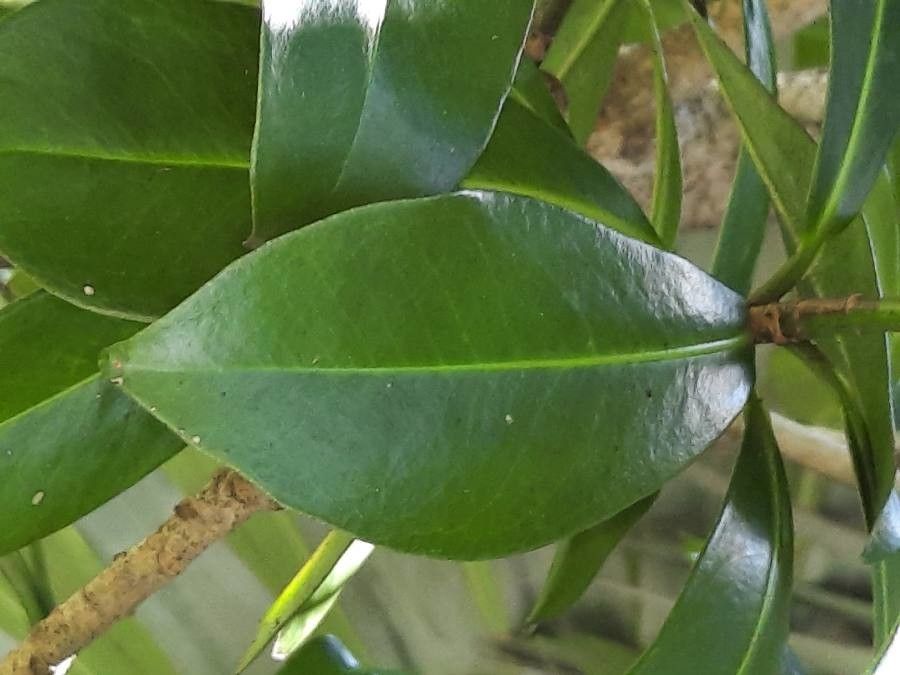
Ardisia compressa, commonly known as coralberry or spike-leaved ardisia, is a captivating evergreen shrub prized for its vibrant, coral-red berries that persist throughout the winter. Its glossy, dark green leaves and relatively compact growth habit make it a popular choice for landscaping, container gardening, and even bonsai cultivation. While its beauty is undeniable, propagating Ardisia compressa can present unique challenges, making success all the more rewarding. This article explores various propagation methods, weighing their viability and effectiveness.
Seed Germination:
Currently, there are no known reliable methods for seed germination propagation of Ardisia compressa. While seeds may be produced, germination rates are extremely low, often proving unreliable and inconsistent even under carefully controlled conditions. The dormancy period is poorly understood, and the specific environmental requirements for successful germination remain largely undocumented.
Cuttings:
Cuttings offer a more viable method for propagating Ardisia compressa.
Challenges: Rooting can be slow and inconsistent. The success rate is highly dependent on factors like the age and health of the parent plant, the time of year, and the propagation environment. Fungal diseases can be a significant problem if sanitation practices are not strictly adhered to.
Practical Tips: Semi-hardwood cuttings taken in late spring or early summer typically show the best results. Use a rooting hormone to improve success rates. A well-draining propagation mix (e.g., perlite and peat moss) is essential. Maintain consistently high humidity using a propagation dome or plastic bag. Bottom heat can significantly speed up rooting. Place cuttings in bright, indirect light, avoiding direct sunlight which can scorch them.
Rewards: Cuttings offer a faster way to obtain a new plant compared to other methods. Plants propagated from cuttings generally retain the characteristics of the parent plant, ensuring consistent quality.
Division:
Division of established Ardisia compressa plants is a relatively straightforward method, especially for larger specimens.
Challenges: Division can be stressful for the plant, potentially leading to reduced vigour or even plant death if not done carefully. Larger root systems can make the process physically challenging.
Practical Tips: The best time to divide is during the spring or early summer, when the plant is actively growing. Ensure each division has a good root system and several healthy stems. Plant the divisions immediately after division, using a well-draining potting mix. Water thoroughly after planting but avoid overwatering.
Rewards: Division allows for rapid increase in numbers of plants from an existing specimen. It is a simple method requiring minimal specialized equipment and knowledge.
Tissue Culture:
Tissue culture offers the potential for large-scale propagation of Ardisia compressa and the elimination of disease.
Challenges: Tissue culture requires specialized equipment, a sterile laboratory environment, and expertise in plant tissue culture techniques. It is a costly and time-consuming method.
Practical Tips: Sterile techniques are crucial to avoid contamination. Appropriate growth medium and plant hormones are vital for successful shoot proliferation and rooting.
Rewards: Disease-free plants can be mass produced. This method offers the potential for rapid propagation and genetic preservation.
Conclusion:
Propagating Ardisia compressa presents a range of challenges, with seed germination currently proving unreliable. Cuttings provide a practical and relatively successful method for the home gardener, while division offers a simple technique for larger plants. Tissue culture remains a viable option for large-scale propagation, although specialized knowledge and resources are required. The rewards of successfully cultivating these beautiful plants, however, far outweigh the effort involved. The satisfaction of nurturing a tiny cutting into a mature, berry-laden shrub is a deeply rewarding experience for any plant enthusiast. So, embrace the challenge – even with the potential setbacks – and enjoy the journey of propagating this fascinating plant.