
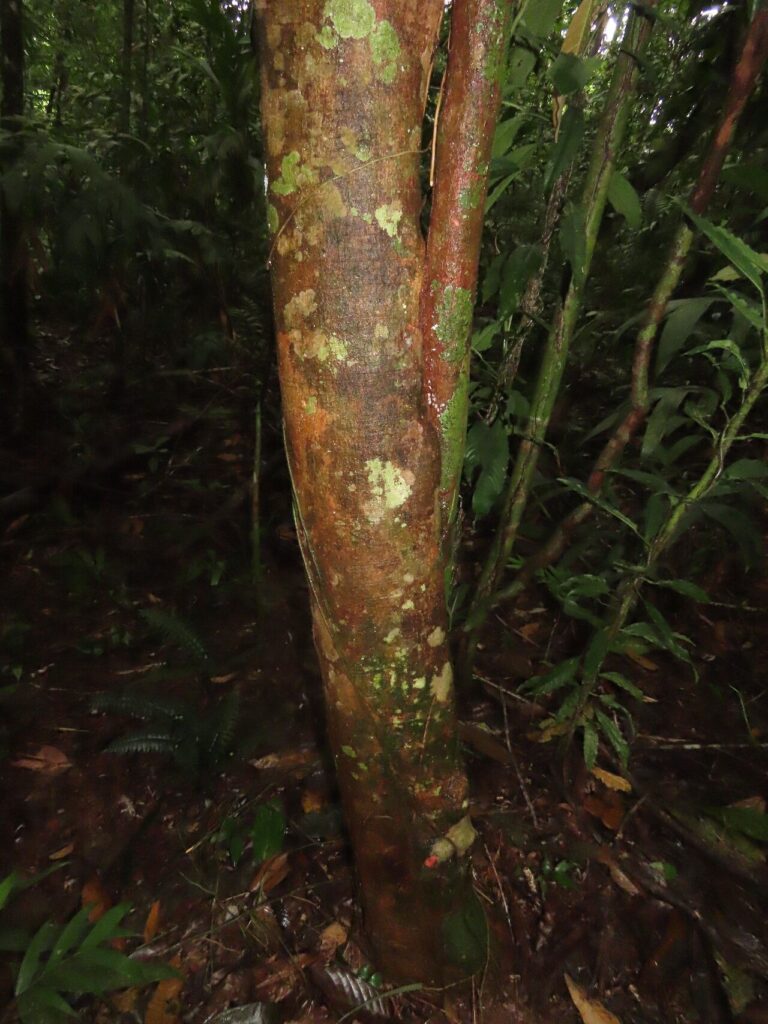
Propagating Ardisia fimbrillifera: A Gardener’s Guide
Ardisia fimbrillifera, also known as the fringed ardisia, is a captivating evergreen shrub prized for its attractive, leathery leaves and vibrant red berries that persist throughout much of the year. Its compact habit and tolerance of shade make it a popular choice for understory planting in gardens and landscapes, especially in tropical and subtropical regions. The unique fringed appearance of its flowers adds to its horticultural appeal, and its relatively slow growth makes it a manageable plant for smaller spaces. However, obtaining new plants can present some challenges. This guide explores various propagation methods for Ardisia fimbrillifera, weighing their viability and effectiveness.
Seed Germination:
Currently, there are no known reliable methods for seed germination propagation of Ardisia fimbrillifera. While the plant produces seeds, their germination rate is notoriously low, and successful germination has not been consistently documented in horticultural settings. Further research is needed to determine if specific pre-treatments or environmental conditions could improve germination success.
Cuttings:
Cuttings offer a more promising approach to propagating Ardisia fimbrillifera.
Challenges: Rooting can be slow and inconsistent. The success rate depends heavily on factors such as the age and health of the parent plant, the type of cutting (softwood, semi-hardwood), the rooting medium and hormone use, and environmental conditions.
Practical Tips: Semi-hardwood cuttings, taken in late spring or early summer, generally show better rooting. Use a sharp, clean blade to take 4-6 inch cuttings, removing lower leaves to prevent rot. Dip the cut ends in rooting hormone and plant in a well-draining mix of perlite and peat moss. Maintain high humidity (e.g., using a humidity dome or misting regularly) and consistent warmth (around 70-75°F). Proper sanitation to prevent fungal diseases is crucial.
Rewards: Cuttings produce genetically identical plants to the parent, preserving desirable traits. This method allows for relatively easy replication of particularly attractive or robust specimens.
Division:
Division is not a practical method for propagating Ardisia fimbrillifera. The plant’s compact root system doesn’t readily lend itself to division, and attempts to separate it often result in damage to the plant and low survival rates for the divisions.
Tissue Culture:
Tissue culture offers the potential for large-scale propagation and the production of disease-free plants.
Challenges: Establishing a successful tissue culture protocol for Ardisia fimbrillifera requires specialized expertise, equipment, and a sterile laboratory environment. This method is not practical for the home gardener.
Practical Tips: This method is best left to commercial nurseries or research facilities with the necessary infrastructure and knowledge.
Rewards: Tissue culture allows for rapid multiplication of desirable genotypes and the elimination of diseases, producing a large number of uniform plants.
Conclusion:
Propagating Ardisia fimbrillifera presents a unique set of challenges. While seed germination currently seems infeasible, cuttings offer a viable albeit somewhat unpredictable method for home gardeners willing to invest time and patience. Division is not recommended, and tissue culture remains a largely inaccessible option for most. The slow rooting of cuttings emphasizes the importance of proper technique and consistent care. The satisfaction of successfully propagating this beautiful plant, however, is a testament to the gardener’s perseverance and expertise. For those willing to accept the moderate degree of difficulty, the rewards of cultivating a thriving Ardisia fimbrillifera from a cutting are well worth the effort. Don’t be discouraged by initial setbacks; carefully observe and adjust your technique as needed, and you’ll eventually enjoy the fruits (and berries) of your labor.