
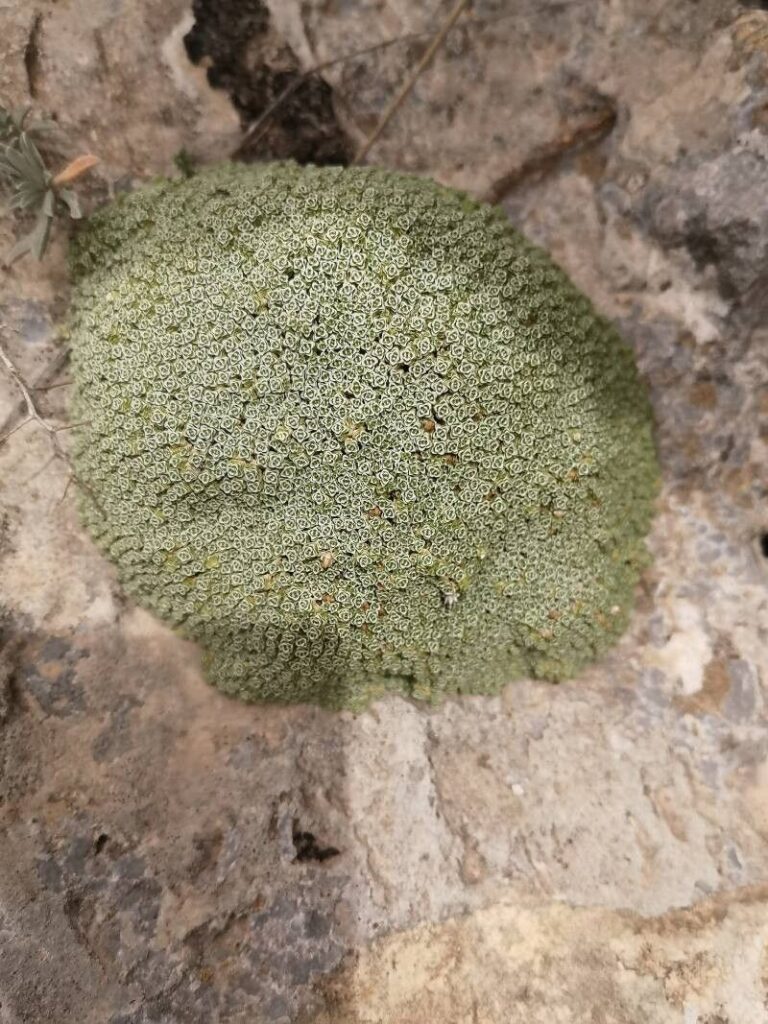
Propagating Arenaria alfacarensis: A Gardener’s Challenge
Introduction:
Arenaria alfacarensis, also known as Alfacara sandwort, is a charming, low-growing, mat-forming perennial valued for its delicate, white, star-shaped flowers and its ability to thrive in dry, rocky conditions. Its silvery-green foliage provides year-round interest, making it a popular choice for rock gardens, alpine gardens, and even as a groundcover in well-drained areas. Its relative rarity in cultivation, however, and slow growth rate contribute to its slightly higher price point among garden enthusiasts, making propagation a desirable skill for those who wish to expand their collection or share this delightful plant. The challenge lies in its somewhat recalcitrant nature when it comes to propagation.
Seed Germination:
Currently, there are no known reliable methods for seed germination propagation of Arenaria alfacarensis. While seed production may occur in ideal conditions, germination rates are reportedly extremely low, and consistent success has not been documented in horticultural literature or among experienced growers. Further research into specific germination requirements, including potential stratification techniques (cold or warm) and the use of germination stimulants, is needed. The reward of potentially achieving genetic diversity through seed propagation remains largely unrealized for this species.
Cuttings:
Propagating Arenaria alfacarensis from cuttings offers a more promising approach than seed germination. However, it presents challenges.
Challenges: Success rates vary significantly depending on the timing (ideally in spring or early summer using semi-hardwood cuttings), the use of rooting hormone, and the maintenance of high humidity. The cuttings are prone to rotting if the environment is too wet.
Practical Tips: Take cuttings of approximately 5-7cm in length, removing lower leaves to prevent rotting. Dip the cut ends in rooting hormone powder. Plant the cuttings in a well-draining, moist mix (e.g., a mix of perlite and vermiculite), covering them with a clear plastic dome or propagator to maintain high humidity. Maintain consistent moisture but avoid overwatering. Rooting can take several weeks to months.
Rewards: Cuttings provide a relatively quick way to multiply existing plants, preserving the exact genetic traits of the mother plant. It’s a highly effective method for expanding a small number of prized specimens.
Division:
Division is a viable but less efficient method of propagating Arenaria alfacarensis.
Challenges: Arenaria alfacarensis forms a dense, but relatively compact root system, making it challenging to divide into smaller, easily-transplanted portions without significantly damaging the plant. Divisions must be large enough to ensure the survival of each portion.
Practical Tips: The best time is during spring or early autumn. Carefully dig up the established plant, and gently separate it into smaller clumps, ensuring each clump has roots and sufficient foliage. Replant the divisions immediately in well-drained soil, keeping them moist until they establish.
Rewards: Division offers a reasonable chance of success and minimizes the risk of fungal issues often associated with overly moist cuttings.
Tissue Culture:
Tissue culture propagation is a possibility, though not commonly employed for Arenaria alfacarensis due to cost and technical expertise requirements.
Challenges: Establishing aseptic conditions and developing suitable media for successful shoot proliferation and rooting are crucial steps. This method requires specialized laboratory equipment and significant knowledge of plant tissue culture techniques.
Practical Tips: This is not a method suitable for home propagation. If undertaken, it must be done in a sterile laboratory setting and requires careful optimization of growth media and hormones.
Rewards: Tissue culture allows for the mass propagation of genetically identical plants, offering the possibility of large-scale cultivation and the preservation of rare or desirable genotypes.
Conclusion:
Propagating Arenaria alfacarensis presents varying levels of difficulty depending on the chosen method. While seed germination remains largely unreliable, cuttings offer a more realistic approach for home gardeners, albeit with a need for patience and attention to detail. Division is a viable option for smaller-scale propagation, while tissue culture remains a specialized technique. The rewards, however, are immense: the satisfaction of nurturing these delicate plants from cuttings or divisions, and the joy of sharing this beautiful species with fellow gardeners, richly outweighs the challenges. The unique characteristics of Arenaria alfacarensis call for perseverance; do not be discouraged by early setbacks. With diligent care and some experimentation, even aspiring propagators can succeed in cultivating this treasured alpine plant.