
Propagating Arenaria lanuginosa: A Gardener’s Guide to the Woolly Sandwort
Introduction
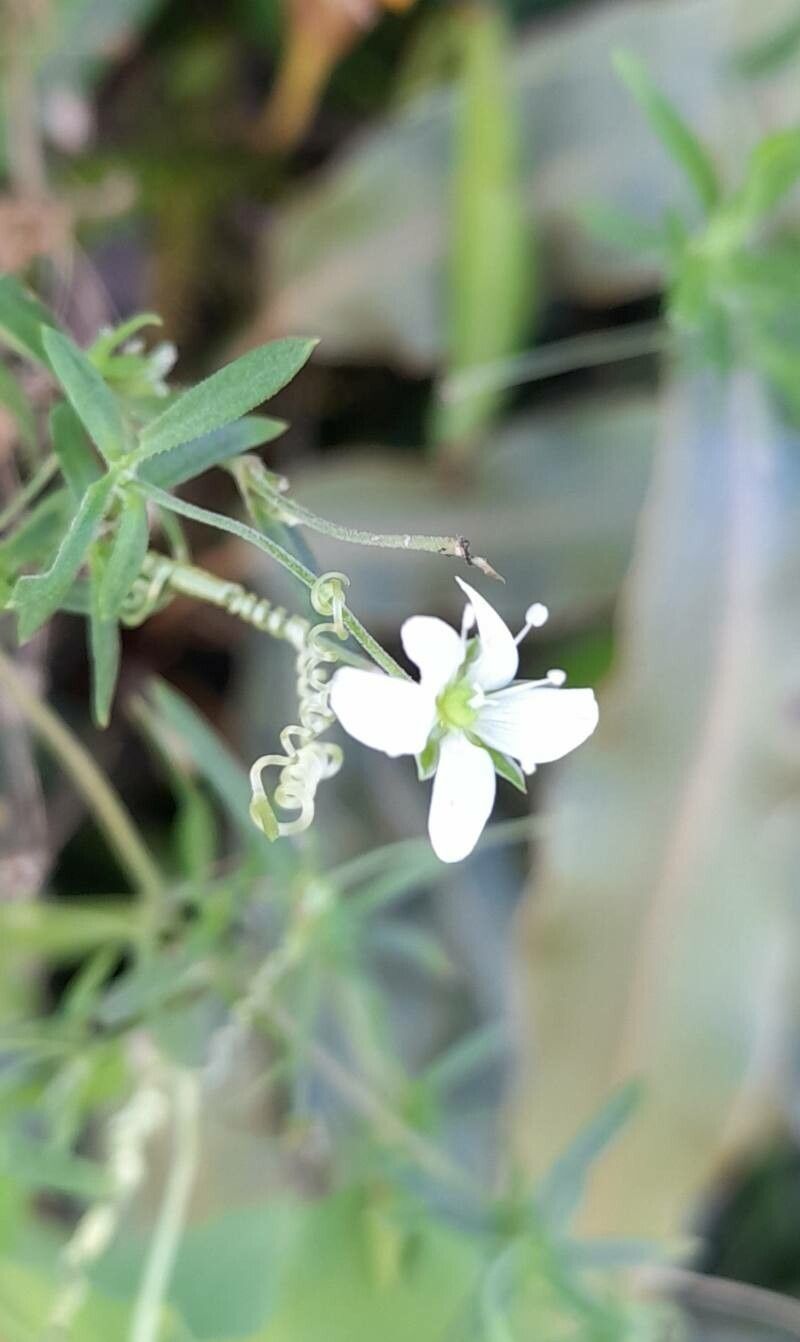
Arenaria lanuginosa, commonly known as woolly sandwort, is a charming alpine plant prized for its delicate, white, star-shaped flowers and soft, woolly foliage. Its compact habit and low-growing nature make it a valuable addition to rock gardens, alpine troughs, and as groundcover in well-drained areas. Its popularity amongst gardeners stems from its resilience and the ethereal beauty it brings to otherwise challenging landscapes. Propagation, however, presents unique challenges, making successful cultivation all the more rewarding.
Seed Germination
Currently, there are no known reliable methods for seed germination propagation of Arenaria lanuginosa. While seeds may be produced, their germination rate is extremely low, and success is largely unreported in horticultural literature. Further research into specific germination requirements, such as light exposure, temperature, and potentially hormonal treatments, is needed.
Cuttings
Cuttings offer a more viable method for propagating Arenaria lanuginosa than seed.
Challenges: The success rate relies heavily on timely execution and precise conditions. Woolly sandwort cuttings are prone to rot if not given excellent drainage and careful monitoring for moisture.
Tips: Take semi-hardwood cuttings in late spring or early summer. Use sharp, sterile tools to take 4-6cm cuttings, removing lower leaves to prevent rotting. Dip the cut ends in rooting hormone to encourage root development. Plant cuttings in a well-draining substrate, such as a mix of perlite and vermiculite, keeping them consistently moist but not waterlogged. High humidity, provided by a cloche or propagator, will significantly improve rooting success. A cool, bright location (but not direct sunlight) is ideal.
Rewards: Cuttings offer a relatively quick method of propagation, allowing for the rapid increase of desirable plants without the uncertainties associated with seed germination. It preserves the exact genetic characteristics of the parent plant.
Division
Division is another feasible propagation technique for Arenaria lanuginosa, particularly if a well-established clump is available.
Challenges: Dividing the plant too aggressively or damaging the roots can negatively affect survival. Timing is crucial; dividing in spring or autumn, when the plant is actively growing or entering dormancy offers the best chance of success.
Tips: Carefully lift the entire plant from the ground, gently separating it into smaller clumps ensuring each division has a healthy portion of roots and shoots. Replant each division immediately in well-drained soil, ensuring the crown of the plant is at or just above the soil surface. Water gently after planting.
Rewards: Division is a relatively straightforward method leading to a rapid increase in the number of plants. It is less technically demanding than cuttings or tissue culture.
Tissue Culture
While possible, tissue culture propagation of Arenaria lanuginosa is generally not a practical method for home gardeners.
Challenges: This method requires specialized equipment, a sterile environment, and significant expertise in plant tissue culture techniques. It is time-consuming and costly, making it unsuitable for most home propagation efforts.
Tips: Sterilization of all materials and equipment is paramount. It involves growing plant tissues in a nutrient medium under controlled conditions to induce the development of new plantlets.
Rewards: Tissue culture offers extremely high propagation rates, producing many clones from a small amount of source material and allows for virus elimination.
Conclusion
Propagating Arenaria lanuginosa presents unique difficulties, with seed germination proving unreliable. Cuttings and division offer more viable alternatives for the enthusiastic home gardener. While cuttings require careful attention to detail and division demands a gentle hand, the rewards of successfully cultivating this charming plant far outweigh the challenges. The delight of nurturing a small cutting into a thriving clump, or dividing a mature plant to share its beauty, offers a unique satisfaction that transcends the effort required. For aspiring propagators, patience, meticulous attention to detail, and a deep appreciation for the plant’s delicate nature are key to success. Don’t be discouraged by setbacks; every attempt brings you closer to achieving your horticultural goals with this rewarding alpine gem.
