
Propagating Arenaria digyna: A Guide for Garden Enthusiasts
Introduction:
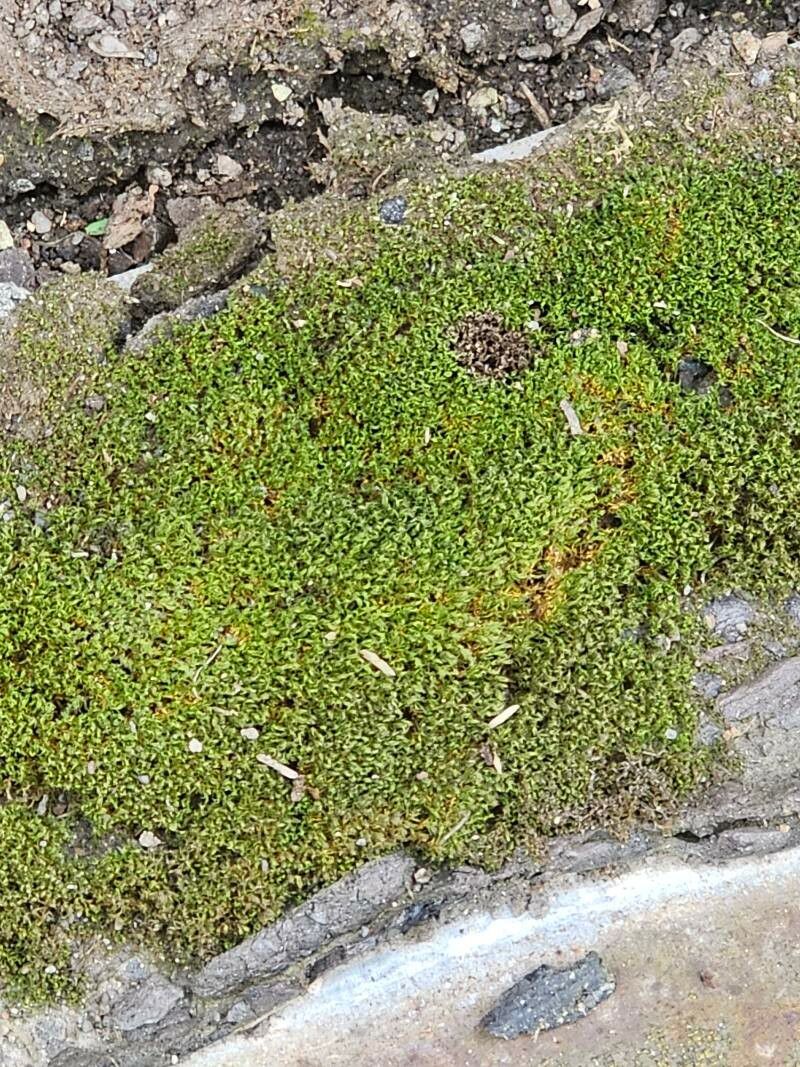
Arenaria digyna, commonly known as smooth chickweed, is a charming, low-growing, spreading perennial often found in damp, shady spots. While not as flashy as some garden stars, its delicate white flowers and fine foliage provide valuable ground cover, particularly in woodland gardens or as a naturalistic addition to borders. Its resilience and ease of establishment in suitable conditions make it popular among gardeners looking for low-maintenance, yet attractive, additions to their landscapes. However, generating new plants presents some unique challenges, making successful propagation a satisfying accomplishment.
Seed Germination:
Seed germination is a viable method for propagating Arenaria digyna, but it can be somewhat unpredictable. Success hinges on mimicking the plant’s natural environment.
Challenges: Arenaria digyna seeds are tiny and require specific conditions for germination. They may experience dormancy and require stratification – a period of cold, moist treatment – to break this dormancy. Furthermore, seedlings are delicate and susceptible to damping-off (fungal disease) in overly moist conditions.
Practical Tips: Sow seeds thinly onto a well-drained seed compost, ideally in a seed tray or pot. Lightly cover the seeds, ensuring they are not buried too deeply. Stratification is recommended. A period of 4-6 weeks in a refrigerator (around 4°C) will assist with breaking dormancy. After stratification, sow the seeds and maintain consistent moisture but avoid waterlogging. Keep seedlings in a cool, bright location (avoid direct sun), providing good ventilation to minimise risk of damping-off.
Rewards: Successfully germinating Arenaria digyna from seed provides genetic diversity within your plants, potentially enhancing their hardiness and adaptability. Seed propagation also allows for large-scale propagation, ideal if you plan to establish substantial ground cover.
Cuttings:
Cuttings are another viable method, offering a quicker route to established plants compared to seed propagation.
Challenges: Softwood cuttings taken in spring or early summer are most successful. The cuttings are relatively small and require consistent moisture levels without becoming waterlogged to prevent rotting. They also require high humidity to encourage rooting.
Practical Tips: Take 5-7 cm cuttings from non-flowering stems. Remove lower leaves and apply rooting hormone powder to the cut end. Plant cuttings in a propagation tray filled with a well-draining, moist compost, covering the tray with plastic to maintain high humidity. Place the tray in a bright location out of direct sunlight. Root formation can take several weeks.
Rewards: Cuttings propagate plants that are genetically identical to the parent plant, preserving desirable characteristics. This is faster than seed germination, giving readily established plants.
Division:
Division is the easiest and most reliable method of propagation for Arenaria digyna.
Challenges: The best time to divide is in spring or autumn, when the plant is actively growing or starting to grow again. Divisions need to be large enough to include sufficient root system to minimize transplant shock. Rough handling can damage roots.
Practical Tips: Carefully lift the established plant and gently separate it into smaller clumps, ensuring each division has plenty of roots and shoots. Replant the divisions immediately, ensuring the soil is moist and well-drained. Water well after planting.
Rewards: Division is quick and largely successful, immediately producing robust new plants. It’s also a low-risk method and requires less specialised equipment.
Tissue Culture:
Currently, there are no known reliable methods for tissue culture propagation of Arenaria digyna reported in readily accessible literature. More specialized laboratory equipment and techniques would be required for exploration of this method.
Conclusion:
Propagating Arenaria digyna presents a range of challenges and rewards depending on the chosen method. While seed germination offers genetic diversity but requires patience and attention to detail, cuttings provide a faster path to new plants while maintaining genetic uniformity. However, division proves to be the easiest and most reliable method for the home gardener. The unique satisfaction in cultivating this unassuming plant lies precisely in overcoming these challenges, from the tender care of seedlings to the successful establishment of new clumps. Don’t be discouraged by initial setbacks – with careful attention, even the most patient methods will reward you with the charming beauty of Arenaria digyna gracing your garden.