
Propagating Arenaria querioides: A Gardener’s Guide to the Mountain Sandwort
Introduction
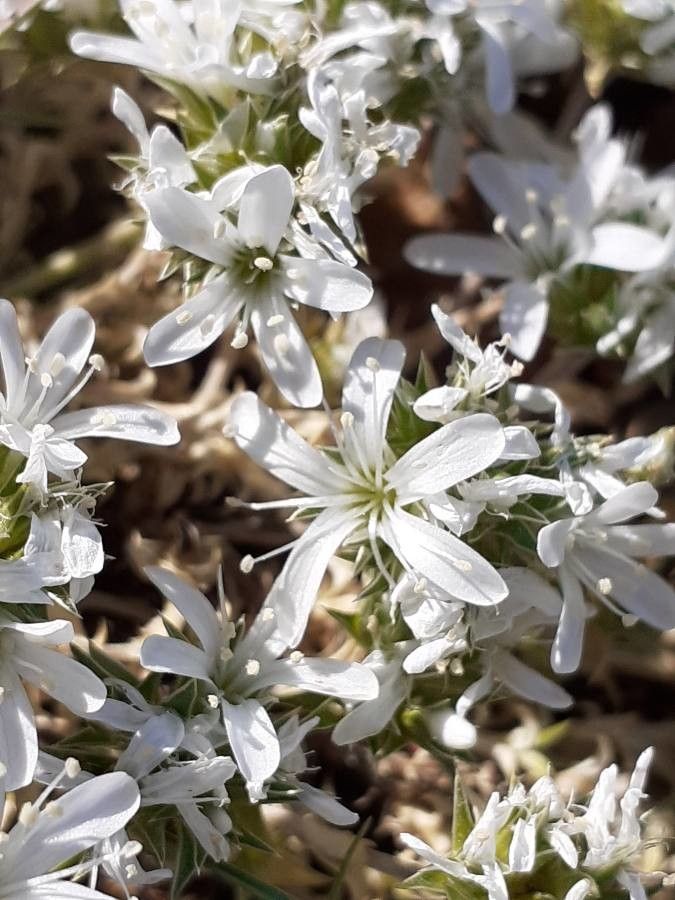
Arenaria querioides, commonly known as the Mountain Sandwort, is a charming alpine plant prized for its delicate, white, star-shaped flowers and low-growing, mat-forming habit. Its finely textured foliage creates a beautiful groundcover, perfect for rock gardens, alpine troughs, or as an edging plant. While its relatively low maintenance requirements make it a popular choice among gardeners, propagating Arenaria querioides can present some unique challenges. Its success often hinges on mimicking its natural, high-altitude environment. This article explores various propagation methods, outlining their feasibility and providing practical advice.
Seed Germination:
Currently, there are no known reliable methods for seed germination propagation of Arenaria querioides. While seed production may occur in ideal conditions, germination rates are reportedly extremely low, even under carefully controlled circumstances. The dormancy mechanisms of this species are poorly understood, and attempts at stratification (chilling the seeds) haven’t yielded consistent results. Further research is needed to determine if viable seed germination techniques can be developed.
Cuttings:
Cuttings offer a more reliable method of propagating Arenaria querioides than seed germination.
Challenges: The success rate of cuttings depends heavily on timing and technique. Taking cuttings from actively growing shoots in early summer provides the best chance of success. Using a rooting hormone can improve results.
Practical Tips: Take semi-hardwood cuttings, about 4-6 cm long, from healthy, non-flowering stems. Remove lower leaves to prevent rotting. Plant cuttings in a well-draining, sterile propagation mix (e.g., a mix of perlite and peat moss), keeping them consistently moist but not waterlogged. High humidity, perhaps achieved with a propagator or plastic covering, improves rooting success.
Rewards: Cuttings provide a faster way to increase the number of plants compared to other methods and ensure genetically identical offspring, retaining desirable traits.
Division:
Division is a relatively simple and effective method for increasing Arenaria querioides populations, particularly if you already have an established plant.
Challenges: The plant’s delicate root system requires careful handling. Dividing the plant too aggressively can cause significant stress and potential plant loss.
Practical Tips: The best time to divide is in spring or early autumn. Gently lift the entire plant, carefully separating it into smaller sections, ensuring each division has sufficient roots and healthy shoots. Replant the divisions immediately in well-draining soil, keeping them well-watered until established.
Rewards: Division allows for quick multiplication of existing plants, saving time and potentially producing a larger number of plants than cuttings.
Tissue Culture:
Tissue culture is a potentially high-yield, albeit highly specialized method of propagating Arenaria querioides.
Challenges: This method requires a sterile laboratory environment, specialized equipment, and skilled expertise in plant tissue culture techniques. The specific growth media and hormones required for successful propagation of Arenaria querioides are likely to need to be determined experimentally.
Practical Tips: (This section is very general as specific protocols are not readily available). Explants (small plant sections) would be taken from healthy, actively growing tissue. These would be sterilized and cultured on a nutrient-rich agar medium containing plant growth regulators. Once sufficient growth is achieved, the plantlets can be transferred to a growing medium.
Rewards: This method can produce a large number of plants from a single source plant, preserving a valuable genotype faster and more efficiently than other methods.
Conclusion
Propagating Arenaria querioides presents unique challenges across all methods, with seed germination proving unreliable. Cuttings provide a reasonably successful approach for the home gardener, while division is relatively straightforward for established plants. Tissue culture offers the potential for large-scale propagation but necessitates specialized skills and resources. The satisfaction of successfully propagating this delicate alpine beauty, however, is richly rewarded. The persistent gardener is rewarded with a flourishing patch of these charming plants, testament to their dedication and horticultural prowess. Remember patience, attention to detail, and the careful imitation of the alpine environment are crucial for success.