
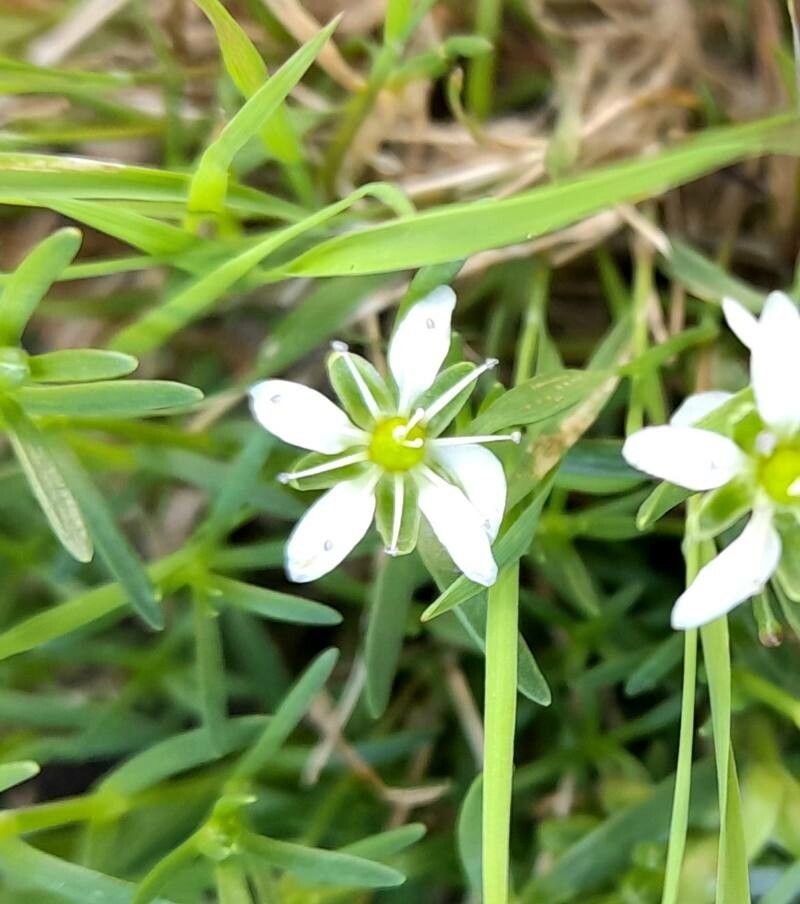
From Seed to Success: How to Propagate Arenaria oligosperma, the Gorgeous “Mountain Sandwort”
Arenaria oligosperma, commonly known as the “Mountain Sandwort,” is a captivating alpine plant gracing rocky slopes with its delicate, starry white flowers. Its charm extends beyond its looks, as it’s a relatively easy plant to propagate. Whether you’re a seasoned gardener or a green thumb newbie, this guide will equip you with the knowledge to successfully cultivate more of this charming species.
Seed Propagation: Embracing the Tiny Beginnings
For Arenaria oligosperma, starting from seed is the most common method of propagation. This method offers the advantage of producing numerous plants and allowing you to establish a robust population in your garden. Here’s a step-by-step guide:
-
Timing is Key: The ideal time to sow Arenaria oligosperma seeds is in the fall, directly outdoors. These seeds require a period of cold stratification, a process that mimics winter conditions and encourages germination.
-
Preparation is Paramount: Prepare a well-drained seedbed in a partially shaded location. A mix of 50% compost and 50% grit will provide the perfect balance of moisture retention and drainage.
-
Sowing the Seeds: Scatter the seeds thinly over the prepared soil, ensuring a light dusting of fine grit covers them. Water gently, avoiding disturbance to the delicate seeds.
-
The Winter Chill: Nature will do the rest! Let the seeds overwinter in the seedbed. The cold temperatures will trigger germination, and spring will see tiny seedlings emerge.
- Thinning and Patience: As the seedlings grow, thin them out to create ample space for healthy development. Have patience; Arenaria oligosperma can take a few years to reach its full flowering potential.
Dividing Existing Plants: A Faster Path to Success
If you’re in a hurry to establish more Arenaria oligosperma in your garden, dividing existing plants offers a faster route. This technique works best with established clumps.
-
Timing is Crucial: The ideal time for division is in the spring, after the last frost.
-
Preparing for the Split: Carefully dig up the existing plant, being mindful not to damage the roots. Use a sharp knife or garden trowel to divide the clump into sections, each containing several strong shoots and healthy root systems.
-
Replanting with Care: Plant the divided sections in prepared, well-drained soil, ensuring the roots are spread out and covered adequately.
- Watering and Care: Water generously after planting and continue to provide consistent moisture, especially during the initial establishment period.
Cultivating Success: The Right Environment for Thriving Mountain Sandwort
Whether you’ve chosen seed propagation or division, understanding the specific needs of Arenaria oligosperma is key to its success. Here’s what you need to know:
- Sunlight: Arenaria oligosperma thrives in partially shaded conditions, enjoying dappled sunlight but avoiding direct exposure during the hottest hours.
- Soil: A well-drained, sandy or gravelly soil is perfect for this plant. Avoid overly compacted or waterlogged conditions.
- Moisture: This species requires consistent moisture but can tolerate some dryness once established. However, regular watering during dry periods is crucial.
- Winter Protection: In harsher climates, a layer of mulch can protect the plant during the winter months. Allow the mulch to settle in the spring to avoid suffocating the new growth.
Arenaria oligosperma: A Gift of Beauty and Resilience
Propagating Arenaria oligosperma is more than just gardening practice; it’s an invitation to appreciate the intricate beauty and resilience of this alpine treasure. By following these tips, you can create a thriving colony of this charming plant, enriching your garden with its delicate blooms and providing a haven for pollinators. So, embrace the challenge, watch your Mountain Sandwort flourish, and experience the joy of nurturing these miniature masterpieces.