
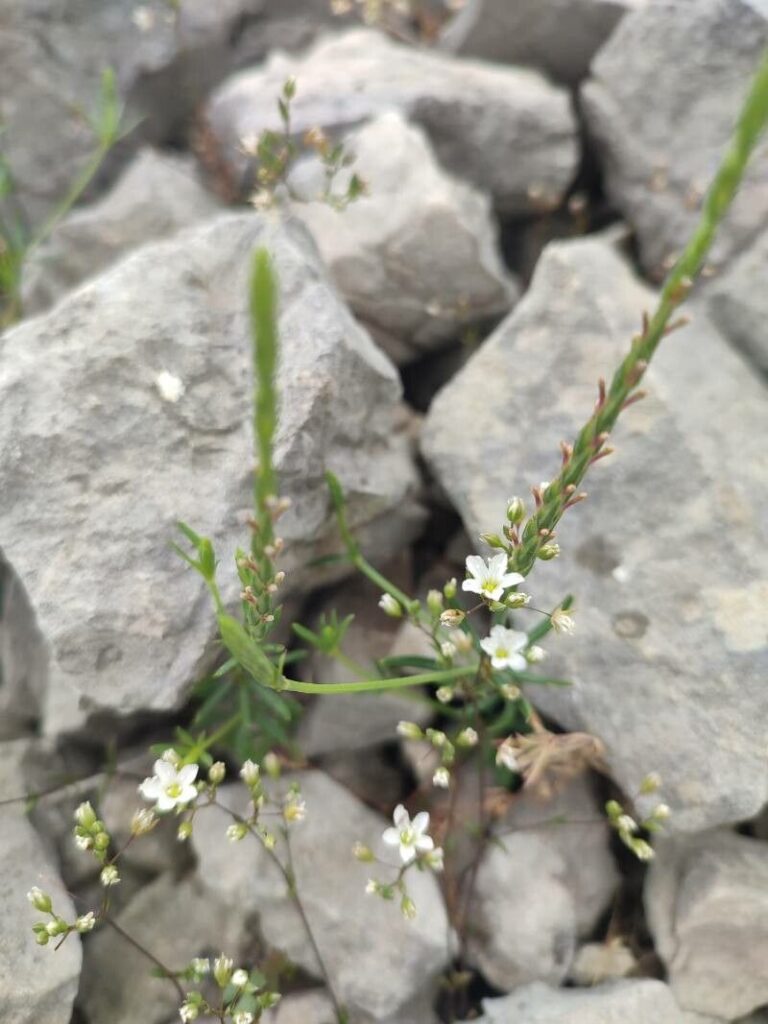
Unveiling the Secrets of Arenaria Provincialis: A Propagation Guide for Rock Garden Enthusiasts
Arenaria provincialis, also known as the “Provence Sandwort,” is a charming alpine plant that adds a touch of delicate beauty to rock gardens and troughs. With its cushion-like growth habit and abundance of dainty white flowers, it’s a sight to behold. While readily available in nurseries, propagating your own Arenaria provincialis can be a rewarding experience for any gardening enthusiast.
This guide delves into the different methods to multiply your Arenaria provincialis collection, ensuring your garden flourishes with this alpine treasure.
Method 1: Seed Propagation – A Test of Patience
For those seeking a long-term project, seed propagation presents an economical and fulfilling option. Here’s how to do it:
- Seed Collection: After flowering, Arenaria provincialis produces small seed capsules. Collect these capsules once they turn brown and dry, indicating ripe seeds.
- Sowing: Sow the seeds in a well-draining seed compost, lightly pressing them onto the surface without burying them.
- Environmental Control: Place the seed tray in a bright location, but avoid direct sunlight. Maintain a temperature around 18-21°C (65-70°F) and keep the compost consistently moist but not waterlogged.
- Germination: Be patient! Germination can take anywhere from a few weeks to a couple of months. Once seedlings emerge and have a couple of true leaves, you can thin them out, leaving the strongest ones to grow.
- Transplanting: Once the seedlings are large enough to handle, typically when they reach 5-8 cm (2-3 inches) tall, transplant them into individual pots or your desired outdoor location.
Method 2: Cuttings – Quicker Clones
For a faster and often more reliable method, consider taking cuttings:
- Timing: The optimal time for taking cuttings is late spring or early summer, during active growth.
- Taking Cuttings: Choose healthy, non-flowering stems and cut approximately 5-8 cm (2-3 inches) long, just below a leaf node. Remove the lower leaves, leaving only a few at the top.
- Rooting Hormone (Optional): While not essential, dipping the cut end in rooting hormone can encourage faster and more successful rooting.
- Planting: Insert the cuttings into a well-draining potting mix, burying at least one leaf node.
- Humidity & Light: Place the cuttings in a humid environment, such as a propagator or under a plastic bag. Ensure they receive bright, indirect light.
- Rooting: After 4-6 weeks, gently tug on the cuttings. Resistance indicates successful rooting. At this stage, you can slowly acclimatize them to outdoor conditions before transplanting them to their final location.
Method 3: Division – Sharing the Bounty
Mature Arenaria provincialis plants readily form clumps, making division a viable propagation technique:
- Timing: The best time for division is early spring or early autumn.
- Lifting & Dividing: Carefully lift the plant from the ground or its pot, ensuring you retain as much of the root system as possible. Using a sharp knife or garden shears, divide the clump into smaller sections, making sure each section has a good amount of roots and shoots.
- Replanting: Replant the divisions immediately into their desired locations, ensuring adequate spacing between them for future growth. Water them thoroughly after planting.
Nurturing Your Arenaria Provincialis
Regardless of your chosen propagation method, remember that Arenaria provincialis thrives in well-drained soil and full sun to partial shade. Water regularly during the first growing season to establish a healthy root system, and subsequently, water sparingly.
With a little patience and care, you can enjoy a flourishing tapestry of Arenaria provincialis, adding a touch of alpine charm to your garden for years to come.