
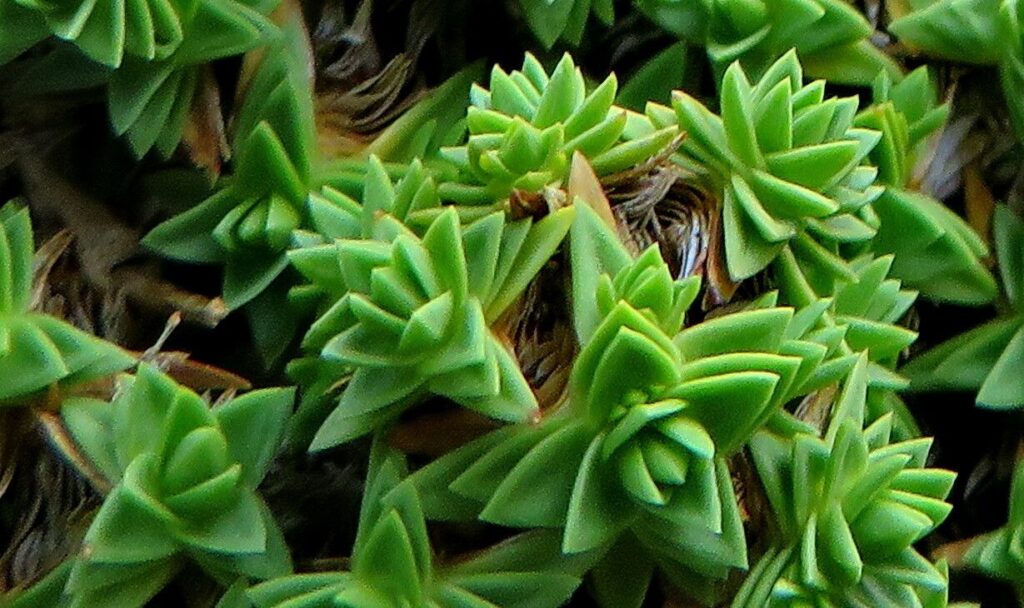
Propagating Arenaria tetraquetra: A Gardener’s Guide to the Cushion Spurrey
Introduction:
Arenaria tetraquetra, commonly known as four-angled sandwort or cushion spurrey, is a charming alpine plant prized for its dense, cushion-like habit and delicate, star-shaped white flowers. Its ability to thrive in well-drained, rocky soils makes it a valuable addition to rock gardens, alpine houses, and containers. Its low-growing nature and attractive foliage create a textural contrast in planting schemes, contributing to its popularity among gardeners. However, propagating this delightful plant can present unique challenges, making successful cultivation a rewarding experience.
Seed Germination:
Currently, there are no known reliable methods for seed germination propagation of Arenaria tetraquetra. While seeds may be produced, germination rates are notoriously low, and successful establishment from seed is rarely achieved. Further research is needed to determine optimal germination conditions.
Cuttings:
1. Viability: Cuttings offer a more reliable method of propagating Arenaria tetraquetra compared to seed.
2. Challenges and Tips: Softwood cuttings taken in spring or early summer are most successful. Use sharp, clean shears to take 5-7cm cuttings, removing lower leaves to prevent rot. Dip the cut ends in rooting hormone powder before planting in a well-draining seed-starting mix. High humidity is crucial; propagate cuttings under a cloche or humidity dome to maintain moisture. Maintain consistently moist (but not waterlogged) conditions. Rooting can take several weeks to months.
3. Rewards: Cuttings provide a quicker method of propagation than division, allowing for the relatively rapid increase of desirable cultivars. The resulting plants are genetically identical to the parent plant, ensuring consistent characteristics.
Division:
1. Viability: Division is a successful and relatively straightforward method for propagating established Arenaria tetraquetra plants.
2. Challenges and Tips: Division is best performed in spring or autumn when the plant is actively growing but not under stress. Carefully lift the entire plant, gently teasing apart the root system into smaller clumps, ensuring each division has sufficient roots and foliage. Replant immediately into well-draining soil, ensuring good soil contact around the roots. Water thoroughly after planting.
3. Rewards: Division is a relatively simple technique, offering a high success rate for increasing the number of plants. It’s less time-consuming than waiting for cuttings to root.
Tissue Culture:
1. Viability: Tissue culture propagation is a potentially viable, albeit complex and specialized method for Arenaria tetraquetra.
2. Challenges and Tips: Sterile techniques are essential. Establishing a successful protocol requires expertise in tissue culture techniques, including selecting appropriate media, growth hormones, and sterilization procedures. This is not a method suitable for the home gardener.
3. Rewards: Tissue culture allows for mass propagation of genetically uniform plants, valuable for commercial applications or the conservation of rare cultivars. Furthermore, it can be used to eliminate pathogens from the plant material.
Conclusion:
Propagating Arenaria tetraquetra presents its own set of hurdles. While seed germination appears unreliable, cuttings and division offer viable and rewarding pathways for successful propagation. While tissue culture is a possibility for large-scale production or specialized applications, it’s impractical for the average gardener. The satisfaction of nurturing a small cutting into a thriving cushion spurrey, or successfully dividing a mature plant, greatly outweighs the challenges. The unique beauty and resilience of Arenaria tetraquetra make the effort worthwhile for any enthusiastic gardener willing to embrace the learning process. Remember patience, attention to detail, and good drainage are key to success. Happy propagating!