
Taming the Prickly Poppy: A Guide to Propagating Argemone platyceras
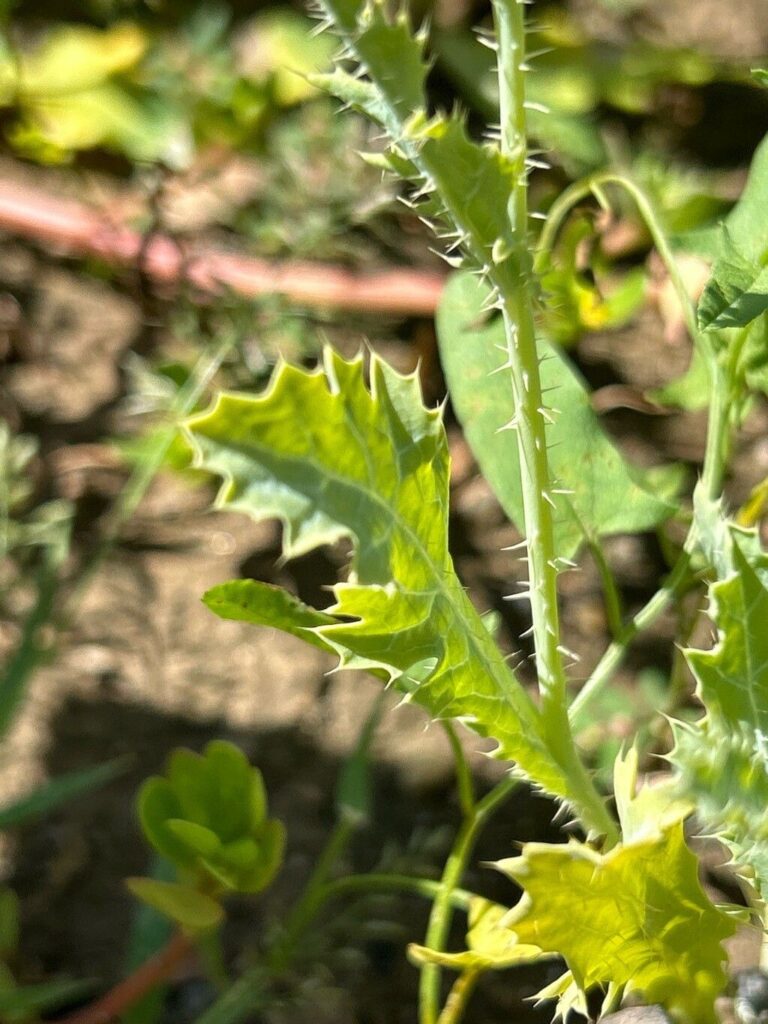
The Argemone platyceras, better known as the Prickly Poppy or Crested Prickly Poppy, is a sight to behold. This wildflower boasts large, white, tissue-papery blooms with a striking boss of bright yellow stamens at their heart. However, its beauty is well-defended; the foliage is a stunning blue-green but armed with prickles, as the common name suggests. Don’t let this deter you though, this guide will equip you to bring this dramatic beauty into your garden.
Propagation by Seed: Embracing the Wild Side
Prickly poppies are most commonly propagated by seed, a testament to their hardy nature. Here’s how you can do it:
- Collecting Seeds: Timing is crucial. Wait until the seed pods, which resemble miniature, spiky barrels, turn brown and dry. Gently crack them open to reveal tiny, black seeds.
- Sowing Time & Method: For the best results, mimic nature. Sow seeds directly into your garden in the fall. This allows them to experience the natural freeze-thaw cycle that encourages germination in the spring. Simply scatter the seeds on prepared soil and lightly rake them in.
- Location, Location, Location: These sun-worshipping beauties thrive in a sunny spot with well-drained soil. They are surprisingly adaptable and tolerate poor soils, even rocky or gravelly substrates.
- Thinning is Key: Once your seedlings emerge, thin them out to give each plant ample space to flourish – about 12-18 inches apart.
Alternative Approach: Starting Indoors
Looking for a head start? You can start seeds indoors 6-8 weeks before your last frost date.
- Cold Stratification: Give those seeds a taste of winter by placing them in your refrigerator (not freezer!) for 2-4 weeks before sowing.
- Sowing Indoors: Use a seed starting mix and keep the soil consistently moist but not waterlogged.
- Transplanting Time: Once the threat of frost has passed and your seedlings have developed a few true leaves, harden them off gradually to the outdoors. Choose a sunny spot and carefully transplant them to your garden.
A Note of Caution: Handling with Care
Remember those protective prickles? Wear gloves when handling Prickly Poppy plants, especially when collecting seeds or transplanting.
Adding Drama to Your Landscape
The Prickly Poppy is not just a pretty face. It’s a fantastic choice for xeriscaping, rock gardens, or adding a touch of wild charm to borders and meadows. Their vibrant blooms also attract a variety of pollinators, making them a valuable addition to any pollinator-friendly garden.
Go Forth and Propagate!
With a little patience and this guide at your disposal, you’ll be able to cultivate these stunning poppies and enjoy their dramatic flair in your own backyard. Be careful, though, they might just inspire you to embrace more of that wild, natural beauty in your landscaping!