
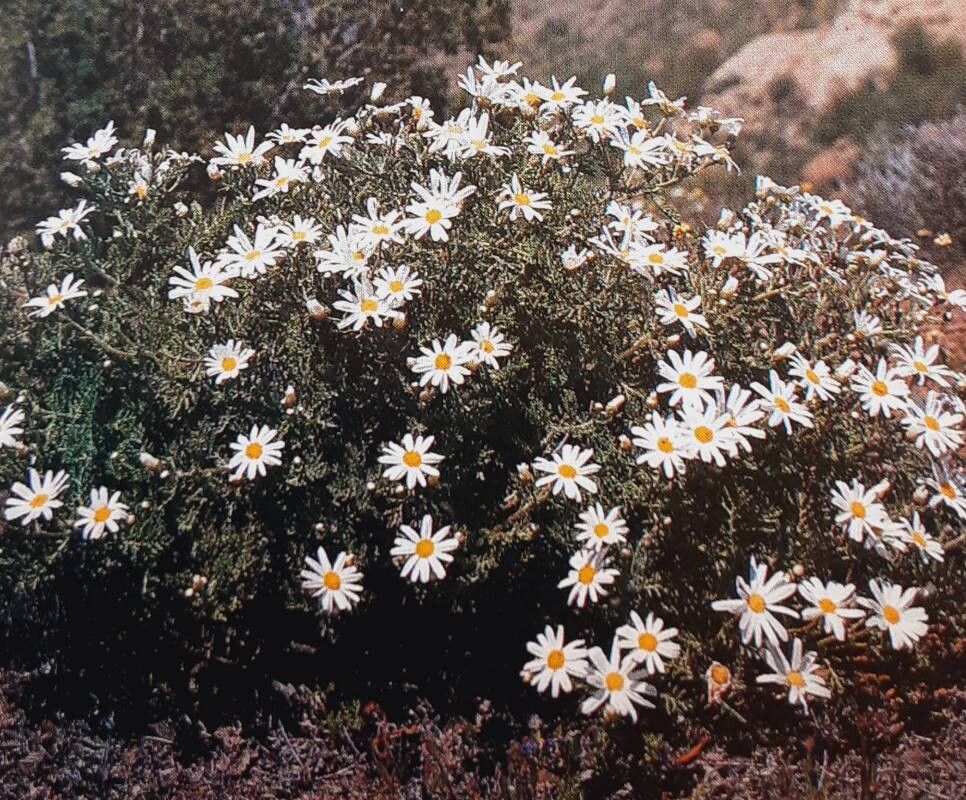
Propagating the Lovely Marguerite Daisy (Argyranthemum adauctum)
Introduction:
Argyranthemum adauctum, commonly known as the Marguerite Daisy, is a captivating plant prized for its profusion of delicate, daisy-like flowers in vibrant shades of white, yellow, and various pastels. Native to the Canary Islands, its hardiness and long blooming season have made it a favorite among gardeners worldwide. While readily available commercially, propagating Marguerite Daisies offers a rewarding experience, allowing for the creation of new plants tailored to individual preferences and potentially providing access to less common cultivars. However, certain propagation methods present more challenges than others.
Seed Germination:
Currently, there are no known reliable methods for seed germination propagation of Argyranthemum adauctum. While the plant produces seeds, germination rates are exceptionally low and often unpredictable, making seed propagation impractical for most gardeners. Further research into seed germination techniques specific to this species might be necessary to unlock this avenue of propagation.
Cuttings:
Cuttings are the most reliable and widely used method for propagating Argyranthemum adauctum.
Challenges: Successfully rooting cuttings requires attention to detail. Using non-sterile tools can introduce fungal diseases, compromising the success rate.
Practical Tips: Take 4-6 inch cuttings from healthy, non-flowering stems in spring or early summer. Remove lower leaves, dip the cut end in rooting hormone, and plant in a well-draining potting mix kept consistently moist but not soggy. Use a humidity dome or propagator to maintain high humidity. Rooting typically takes 4-6 weeks.
Rewards: Cuttings offer a quick and relatively easy way to produce genetically identical plants, preserving desirable characteristics. This method is ideal for increasing the number of specific cultivars.
Division:
Division is another viable approach, particularly for established plants.
Challenges: Dividing the plant too aggressively can damage the root system, hindering successful establishment. Improper handling can also introduce diseases.
Practical Tips: Divide the plant in spring or early autumn when the plant is actively growing. Carefully remove the plant from its pot or carefully dig it up from the ground, gently separating the root ball into several smaller sections, each with healthy roots and stems. Replant each division in a well-prepared potting mix or garden bed.
Rewards: This method is relatively simple for larger, mature plants and helps to rejuvenate the parent plant.
Tissue Culture:
Tissue culture offers a potentially high-yield method for propagating Argyranthemum adauctum, but it demands specialized equipment and expertise.
Challenges: This method requires a sterile laboratory environment and specialized knowledge of plant tissue culture techniques. It is typically expensive and inaccessible to the average home gardener.
Practical Tips: This is best left to specialists in plant tissue culture laboratories. The process involves sterilizing plant material and culturing it on nutrient agar to induce shoot and root formation.
Rewards: Tissue culture allows for large-scale propagation of disease-free plants and is valuable for preserving and multiplying rare cultivars.
Conclusion:
Propagating Argyranthemum adauctum presents both challenges and rewards. While seed germination seems currently improbable, cuttings and division are accessible and reliable methods for the home gardener, offering a satisfying way to expand their collection of these beautiful plants. Tissue culture, while complex, offers immense potential for large-scale propagation and conservation efforts. Successfully cultivating these plants, despite the inherent difficulties, brings a unique sense of accomplishment. Don’t be discouraged by initial setbacks – with patience and careful attention, the vibrant blooms of your propagated Marguerite Daisies will be a rewarding testament to your efforts. Start with cuttings, master the technique, and you’ll be well on your way to enjoying a vibrant display of these delightful daisies!