
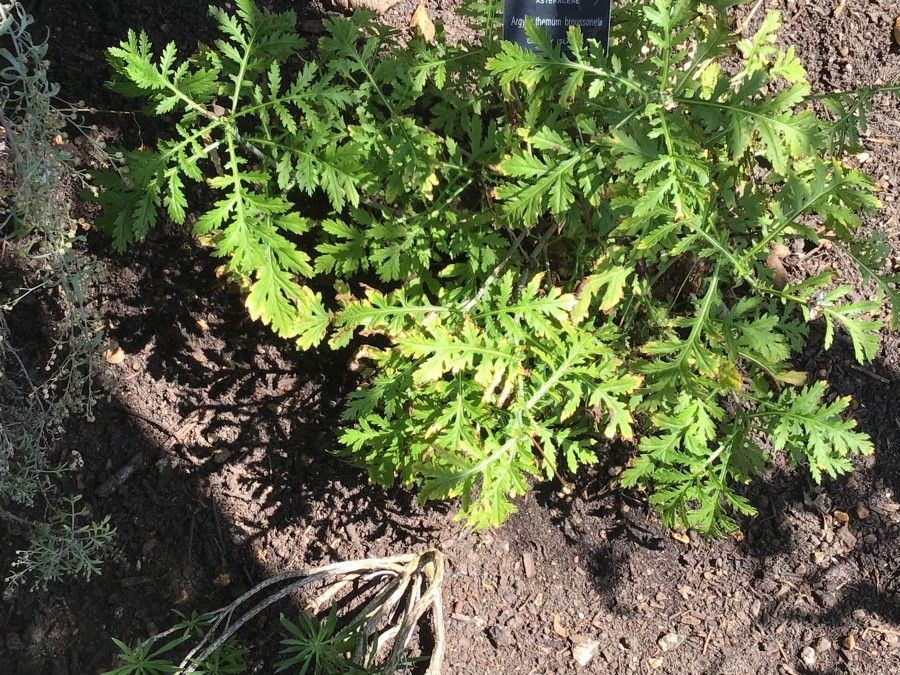
Multiply Your Marguerite Daisies: A Guide to Propagating Argyranthemum broussonetii
Argyranthemum broussonetii, more commonly known as the Marguerite daisy or Paris daisy, is a favorite among gardeners for its cheerful, daisy-like blooms and bushy, verdant foliage. Native to the Canary Islands, this sun-loving plant brings a touch of the Mediterranean to gardens far and wide. While you can easily purchase established plants, propagating your own Argyranthemum broussonetii is surprisingly simple and rewarding. Let’s explore two easy methods to multiply your Marguerite daisy collection.
Method 1: Propagating from Cuttings
Taking cuttings is the most popular method for propagating Argyranthemum broussonetii, allowing you to create clones of your favorite varieties. Here’s a step-by-step guide:
-
Timing is Key: The optimal time for taking cuttings is in the spring or early summer when the plant is actively growing.
-
Choose Healthy Shoots: Select non-flowering side shoots that are about 3-4 inches long. Ideally, choose stems that haven’t flowered yet, as these tend to root more successfully.
-
Prepare the Cuttings: Using a clean, sharp knife or pruning shears, cut just below a leaf node (the point where a leaf emerges from the stem). Remove the lower leaves, leaving only 2-3 leaves at the top.
-
Hormone Boost (Optional): While not essential, dipping the cut end in rooting hormone powder can help speed up the rooting process.
-
Planting the Cuttings: Fill small pots or a seed tray with a well-draining potting mix. Create a hole in the center of each pot and gently insert the cutting, ensuring the bottom leaf node is buried.
-
Creating a Humid Environment: To encourage rooting, enclose the pots in a clear plastic bag or use a propagator lid to create a humid environment.
-
Light and Watering: Place the cuttings in a bright location, but out of direct sunlight. Keep the soil consistently moist, but not waterlogged.
-
Rooting Success: After about 4-6 weeks, your cuttings should have developed roots. You can gently tug on the cutting to check for resistance, which indicates root development.
- Transplanting: Once the roots are well-established, transplant the cuttings into individual pots filled with a good quality potting mix.
Method 2: Growing from Seed
While less common, starting Argyranthemum broussonetii from seed can be a fun and rewarding experience.
-
Sourcing Seeds: You can purchase seeds online or from garden centers. Alternatively, collect seeds from your existing plants in late summer when the flowers fade and seed heads form.
-
Sowing the Seeds: In spring, fill seed trays with a seed-starting mix. Sprinkle the seeds on the surface of the mix and lightly cover them with a thin layer of soil.
-
Germination Station: Water the trays gently and cover them with a clear plastic lid or keep them in a propagator to maintain humidity. Place the trays in a warm, bright location out of direct sunlight.
-
Germination Time: Seeds typically germinate within 14-21 days.
-
Thinning the Seedlings: Once the seedlings have developed their first true leaves (not the initial seed leaves), thin them out to leave the strongest seedling in each cell.
- Transplanting: When the seedlings are large enough to handle, transplant them into individual pots filled with potting mix.
Enjoy Your Bounty of Marguerite Daisies
Regardless of your chosen propagation method, you’ll soon have a plethora of beautiful Marguerite daisies to adorn your garden beds, balcony containers, or sunny windowsills. With proper care and attention, these vibrant blooms will continue to bring joy year after year.