
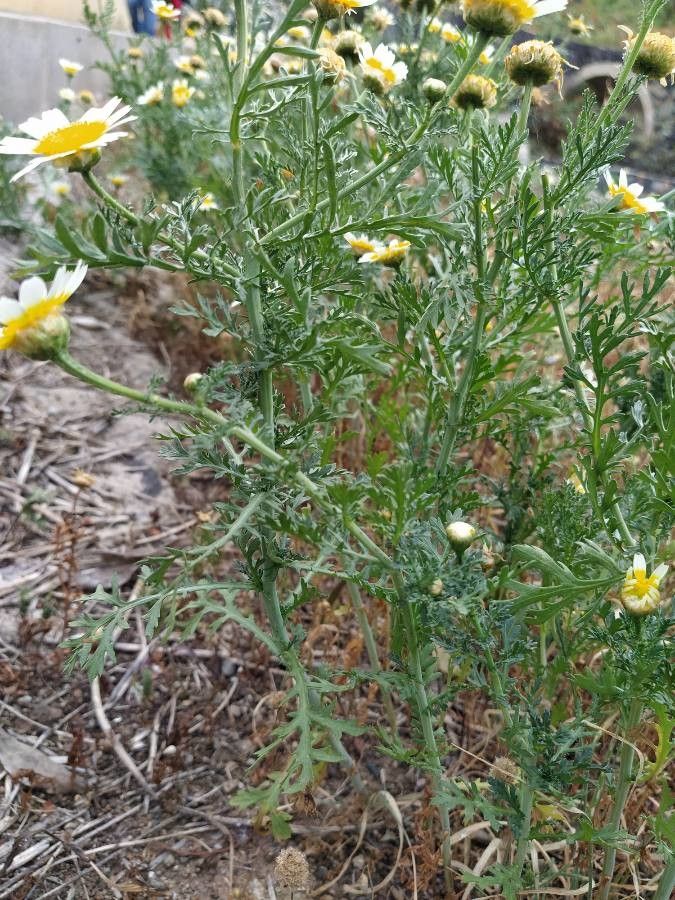
Propagating Argyranthemum filifolium: A Guide for Garden Enthusiasts
Argyranthemum filifolium, commonly known as the fern-leaf marguerite or delicate marguerite, is a captivating daisy-like plant prized for its finely dissected foliage and profuse, cheerful blooms. Its airy, fern-like leaves create a delicate texture in the garden, making it a popular choice amongst gardeners. However, propagation presents unique challenges due to its specific characteristics. This article outlines the various methods available for propagating this beautiful species.
Seed Germination:
Currently, there are no known reliable methods for seed germination propagation of Argyranthemum filifolium. While the plant does produce seeds, germination rates are extremely low and inconsistent, making this method impractical for most gardeners. Further research may reveal techniques to improve germination, but for now, other methods are recommended.
Cuttings:
Cuttings are the most reliable and commonly used method for propagating Argyranthemum filifolium.
Challenges: The main challenge lies in achieving a high success rate. Infections and wilting are common issues if proper hygiene and care aren’t maintained.
Practical Tips: Take semi-hardwood cuttings, 8-10cm long, from the current season’s growth in late spring or early summer. Use a sharp, sterile knife or pruning shears to avoid damaging the plant. Remove lower leaves to prevent rot, and dip the cut ends in a rooting hormone powder to encourage root development. Plant the cuttings in a well-draining propagation mix, such as a peat and perlite mix, and maintain high humidity (e.g., using a propagation dome or plastic bag). Keep the cuttings moist but not waterlogged.
Rewards: This method offers a high success rate when done correctly, leading to genetically identical plants to the parent. It’s easily manageable at home, making it perfect for smaller-scale propagation.
Division:
Division is a viable method for established plants.
Challenges: This method is only suitable for mature plants with well-established root systems. Dividing too early can damage the plant and reduce its chances of survival.
Practical Tips: Divide the plant in late spring or early autumn. Carefully lift the parent plant from the ground and gently separate the root ball into several smaller divisions, each containing healthy roots and shoots. Replant the divisions immediately, ensuring that they’re adequately watered.
Rewards: Division is a relatively quick and easy method, offering a means to multiply existing plants.
Tissue Culture:
Tissue culture is a more advanced technique, suitable for large-scale propagation or for the conservation of rare cultivars.
Challenges: This method requires specialized equipment, sterile conditions, and significant expertise. It is generally not a practical method for the home gardener.
Practical Tips: Sterile conditions are paramount to prevent contamination. This method involve culturing small sections of plant tissue in a nutrient-rich medium.
Rewards: Tissue culture allows for rapid multiplication of plants and the production of disease-free plants. It’s particularly useful for preserving genetic diversity.
Conclusion:
Propagating Argyranthemum filifolium presents several challenges, with seed germination proving unreliable. Cuttings offer the most accessible and successful method for home gardeners, requiring care but offering rewarding results. Division is suitable for mature plants, while tissue culture remains a specialized, large-scale technique. The satisfaction of nurturing cuttings from tiny stems into thriving, flowering plants, however, is a reward worth the effort. The delicate beauty of Argyranthemum filifolium, with its unique foliage and blooms, makes the investment of time and effort more than worthwhile. So, don’t be discouraged by the challenges; embrace the process, learn from any setbacks, and enjoy the immense fulfillment of successfully propagating this exquisite plant.