
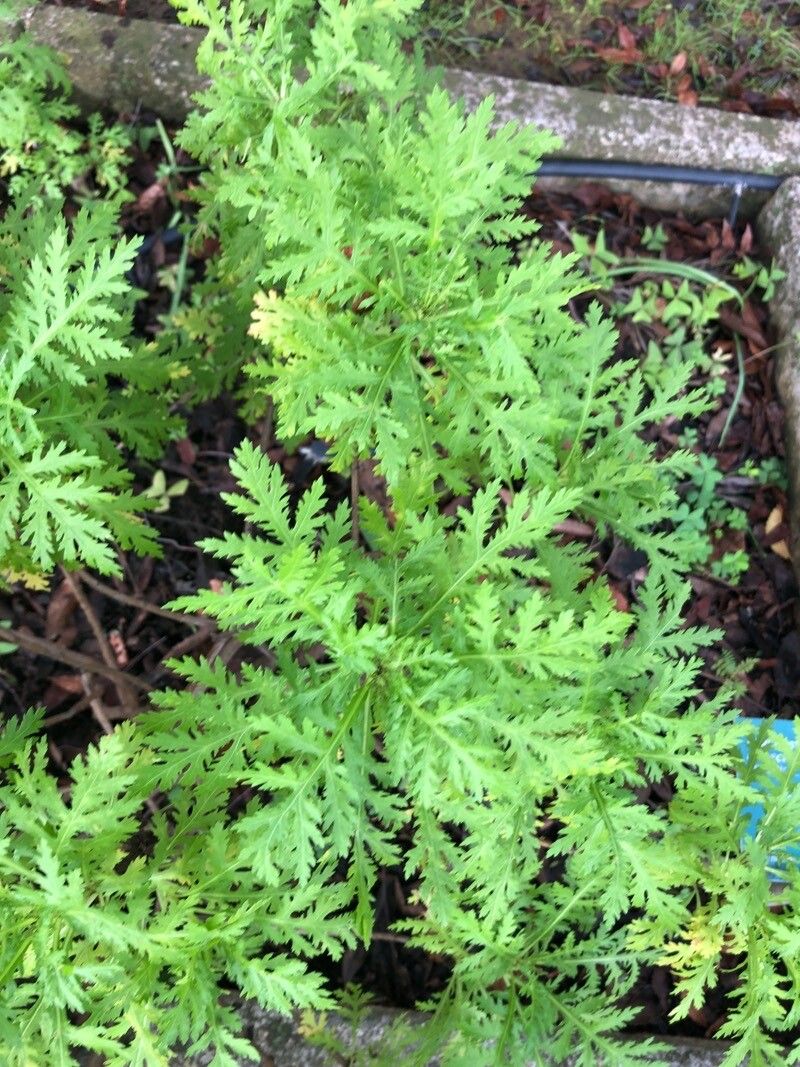
Propagating the Lacy Marguerite: A Guide to Argyranthemum dissectum
Introduction:
Argyranthemum dissectum, commonly known as the lacy marguerite or cut-leaf daisy, is a captivating plant prized for its delicate, finely dissected foliage and charming daisy-like blooms. Its airy, fern-like leaves create a textural contrast in gardens, while its cheerful blossoms add a splash of color. This makes it a popular choice among gardeners, although its propagation can present some unique challenges. Understanding optimal propagation methods is key to successfully cultivating this beautiful species.
Seed Germination:
Currently, there are no known reliable methods for seed germination propagation of Argyranthemum dissectum. While seed production may occur, the germination rate is exceptionally low, and even with specialized techniques and conditions, consistent success remains elusive. This is likely due to complex seed dormancy mechanisms or other seed viability issues. Therefore, relying on seed germination for propagating this species is not recommended.
Cuttings:
Challenges: Cuttings are the most commonly used and reliable method for propagating Argyranthemum dissectum. However, even with cuttings, success is not guaranteed. The plant has a tendency for slower rooting compared to some other species.
Practical Tips: Take semi-hardwood cuttings in late spring or early summer. Use a sharp, clean cutting tool to take 4-6 inch cuttings from healthy, non-flowering stems. Remove lower leaves to prevent rot, and dip the cut ends in a rooting hormone powder. Plant the cuttings in a well-draining propagation mix, such as a peat and perlite blend, keeping consistently moist but not waterlogged. High humidity aids root development—consider using a humidity dome or regularly misting.
Rewards: Successfully rooted cuttings offer a relatively quick way to multiply desirable cultivars, maintaining the exact genetic characteristics of the parent plant. This method is appropriate for smaller-scale propagation.
Division:
Challenges: Argyranthemum dissectum, while potentially divisible, is not ideal for propagation by division. The root system is often quite fragile, making division disruptive and potentially damaging to the plant. Divisions may not establish easily, and successful propagation is far from guaranteed.
Practical Tips: Division, if attempted, should only be undertaken on well-established, mature plants in spring. Carefully dig up the plant, gently separate the root ball into smaller sections, ensuring each division has healthy roots and shoots. Plant the divisions immediately into well-prepared, moist soil.
Rewards: Division, if successful, allows for an increase in the number of plants in a minimal time period, but the success rate is low and the risk of damaging the mother plant outweighs the benefits.
Tissue Culture:
Challenges: Tissue culture is a more complex and specialized propagation method. It requires sterile techniques, specific media, and a controlled environment, which are often not accessible to the home gardener. While potentially viable for large-scale propagation of specific cultivars, it is unlikely to be practical for personal use.
Practical Tips: The process would involve sterilizing plant material, culturing on suitable nutrient agar media, and subsequent transferring to propagation media under controlled conditions. This needs to be undertaken by trained personnel with high levels of technical expertise.
Rewards: Tissue culture offers the highest potential for rapid clonal propagation, allowing the production of a large number of identical plants from a small amount of starting material. This is useful for commercial plant propagation.
Conclusion:
Propagating Argyranthemum dissectum presents a series of challenges, with cuttings offering the most reliable, though still demanding, method. The low success rate of seed germination and the disruptive nature of division and high tech nature of tissue culture mean the majority of gardeners will focus on propagation from cuttings. However, the rewards of successfully cultivating this delicate beauty are significant, showcasing the patience and expertise gained in overcoming the hurdles of propagation. The satisfaction of seeing a tiny cutting transform into a thriving plant, laden with its lacy foliage and cheerful blooms, is a testament to the gardener’s dedication and a rewarding experience. For aspiring propagators, remember patience and attention to detail are key—and don’t be discouraged by initial setbacks. The unique charm of the lacy marguerite is well worth the effort.